


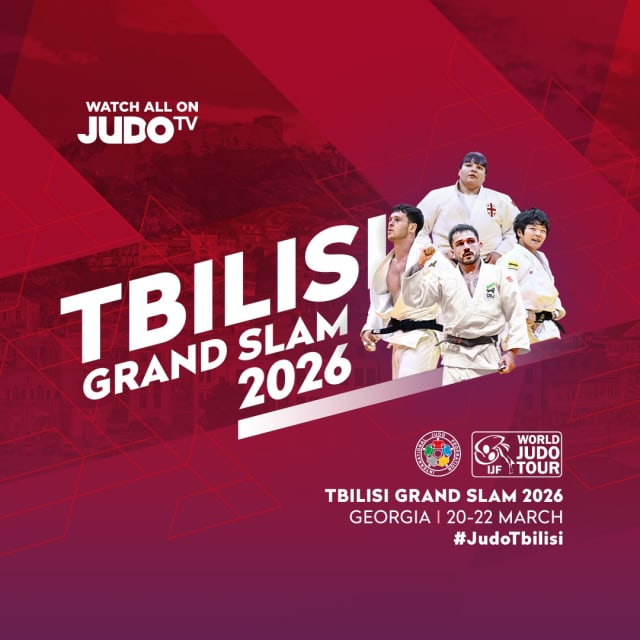
Some tournaments on the IJF World Tour are important because of ranking points. Others stand out because of the names on the entry list. The Tbilisi Grand Slam 2026, however, felt important for several reasons at once. Held from 20 to 22 March in the Georgian capital, the event brought together 386 athletes from 51 nations and served as both a major World Tour stop and a highly relevant rehearsal for the 2026 European Championships, which will take place in the very same city and arena just weeks later.
That timing gave the competition a special edge. This was not only a weekend for medals and podiums. It was also a chance for athletes, coaches and national teams to measure themselves in the exact environment that will soon host one of the year’s most important continental events. For those with ambitions for April, Tbilisi was a chance to test the arena, the conditions, the local atmosphere and, perhaps most importantly, themselves.
Why Tbilisi remains one of judo’s great stages
There are few places on the global judo calendar where the crowd becomes such a defining part of the event. Georgian fans do not simply observe judo; they live every exchange. Every grip battle, every sacrifice throw, every counter and every transition into groundwork is met with a level of passion that gives the event its own identity. Competing in Tbilisi means stepping into a kind of sporting furnace where technique, courage and composure are all tested at once.
That is exactly why a medal in Georgia carries extra prestige. It is not only about the quality of the field, even though the field was once again exceptionally strong. It is also about surviving and succeeding in one of the sport’s most emotionally charged environments. Athletes who win in Tbilisi do not just take gold or silver or bronze. They leave with the feeling that they have earned it in one of judo’s most demanding arenas.
A loaded field and a serious dress rehearsal
The entry list reflected the importance of the occasion. The men’s -73 kg category was particularly deep, with 42 judoka, while -66 kg and -90 kg were also packed. On the women’s side, -70 kg stood out as one of the strongest categories of the weekend, and it later proved exactly as competitive as expected.
Several world ranking leaders were in action, adding even more prestige to the event. Brazil’s Michel Augusto, Croatia’s Lara Cvjetko and Japan’s Haruka Kaju arrived as top-ranked athletes in their divisions. The broader field also featured names such as Hidayat Heydarov, Raz Hershko, Matthias Casse, Vedat Albayrak and Joanne van Lieshout. This was not a routine Grand Slam. This was a serious test for serious contenders.
For Europe in particular, the event had strategic importance. With the European Championships so close, every performance in Tbilisi carried a double meaning. A good result was a medal and a ranking boost, but also a psychological statement ahead of April. A disappointing result could still offer valuable lessons, but no one in the field was pretending this was just another stop on the calendar.
Europe sets the tone from the opening day
Day one immediately established a pattern that would continue through much of the weekend: Europe looked strong, sharp and ready. The continent captured four of the five gold medals on offer in the opening session of finals and dominated podium positions across the day.
In the women’s -48 kg category, Türkiye’s Tuğçe Beder produced the biggest breakthrough of her career by taking her first-ever Grand Slam gold. In the men’s -60 kg division, Israel’s Izhak Ashpiz came through strongly. France’s Blandine Pont impressed in -52 kg, while Timna Nelson Levy gave Israel another gold in -57 kg. The only category in which Europe failed to take gold was men’s -66 kg, where Kazakhstan’s Nurkanat Serikbayev prevailed.
Yet the overall story was clear: European judo was in powerful form, and many of the athletes expected to challenge at the European Championships were already showing their level.
Tara Babulfath announces herself again in Tbilisi
A silver medal with deeper meaning
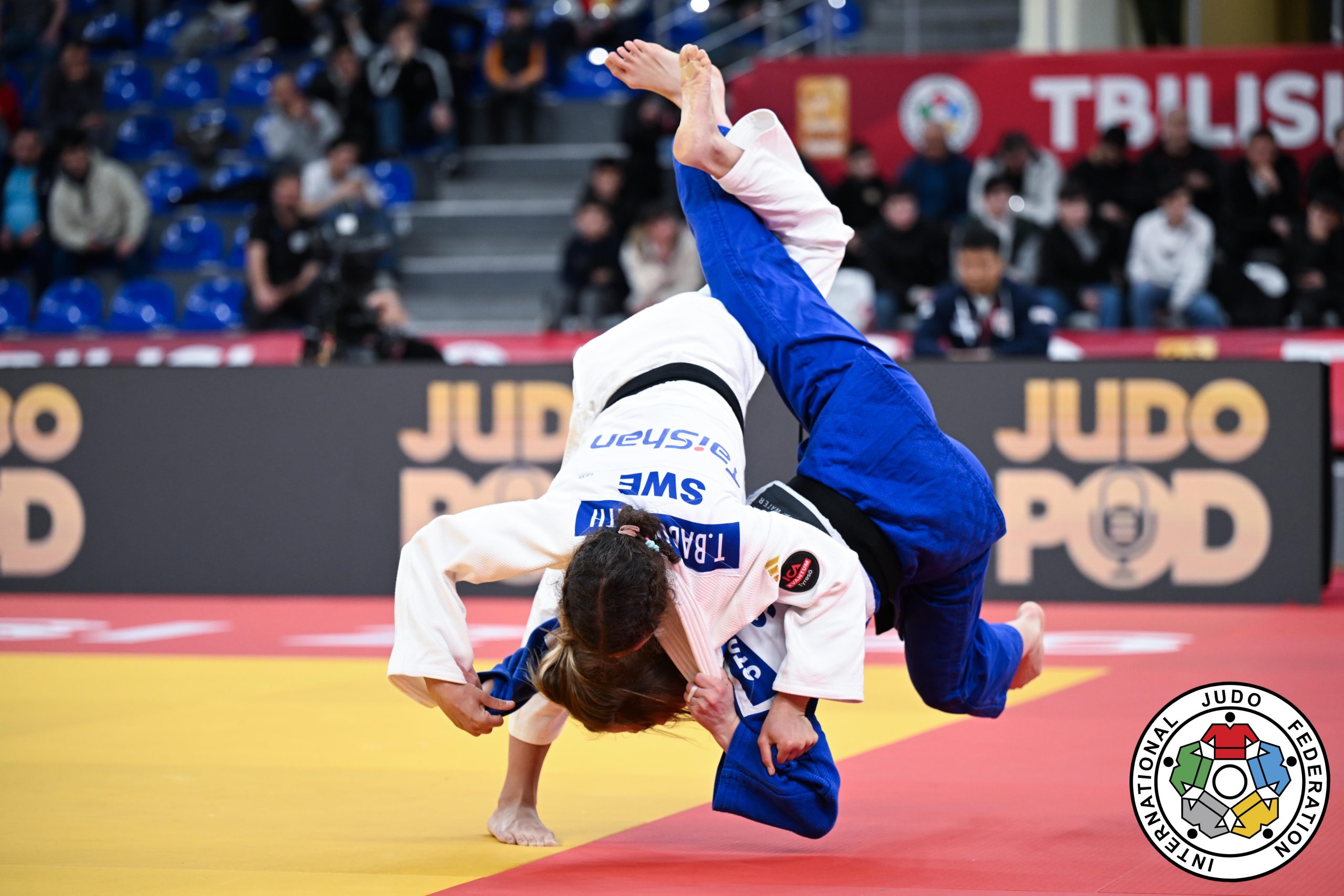
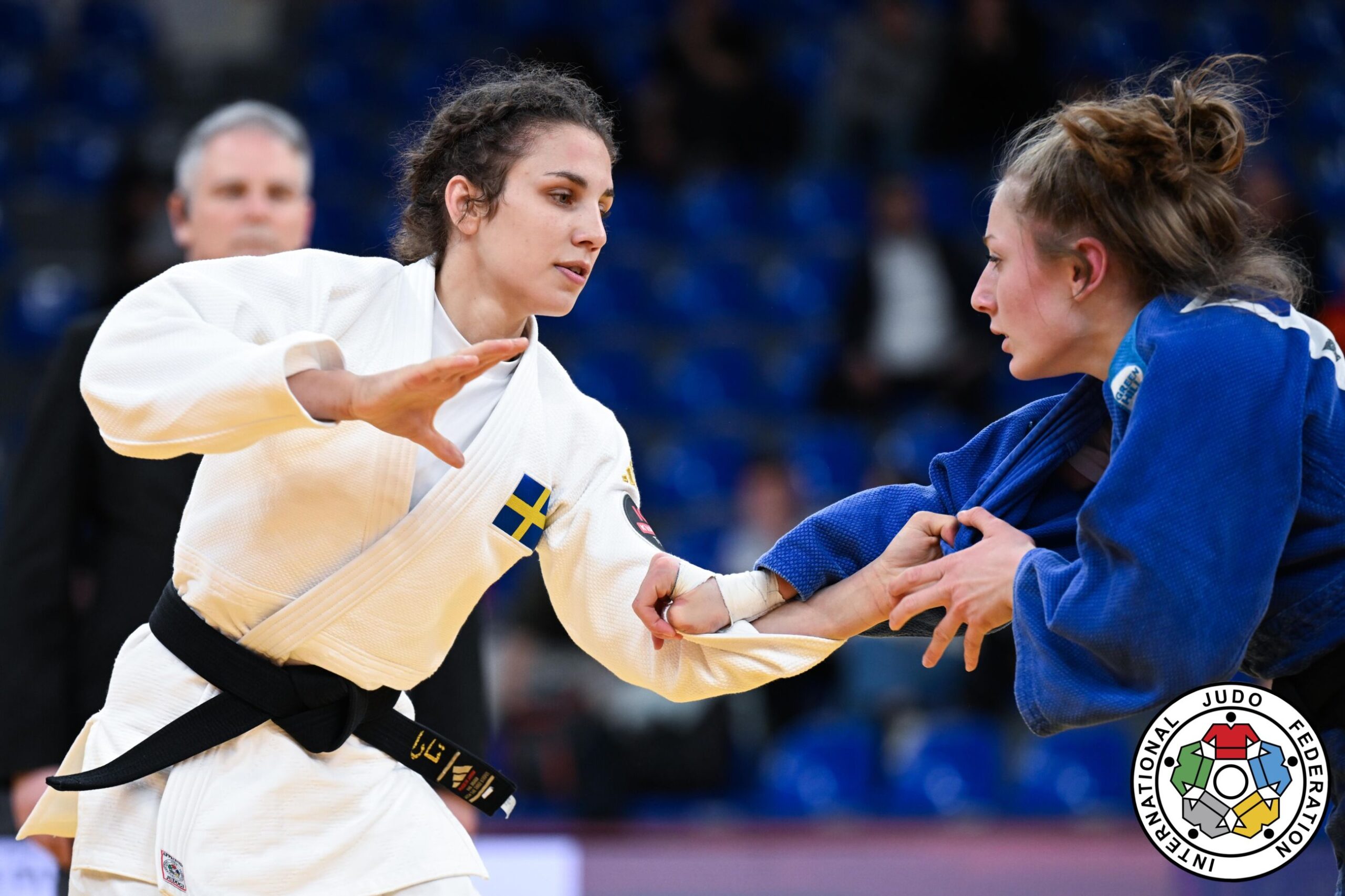
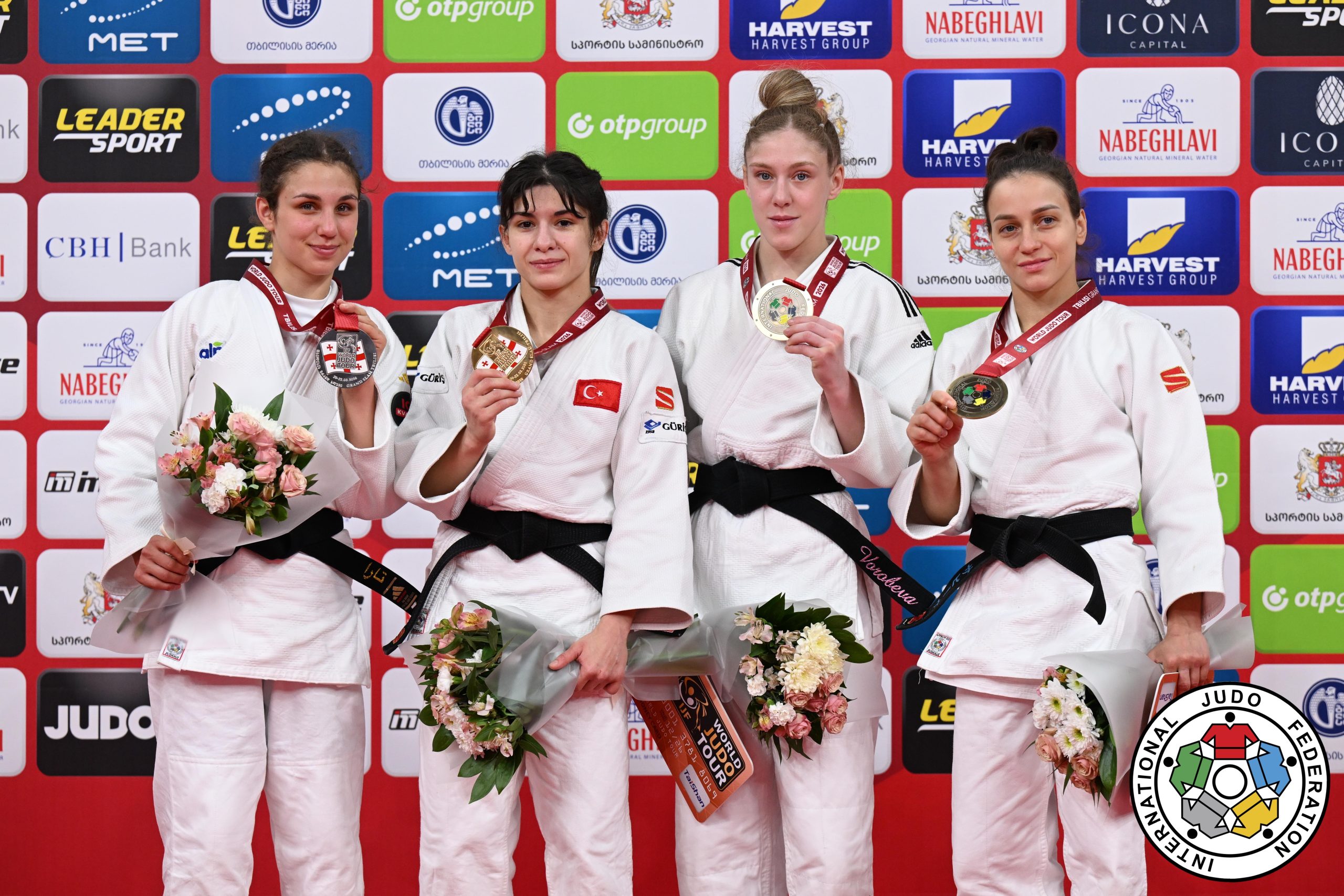
One of the most significant Swedish stories of the entire tournament came in the women’s -48 kg division, where Tara Babulfath fought her way to the final and secured silver. On paper, silver may look like a result just short of the ultimate goal. In practice, this was a performance with major value for both her confidence and Sweden’s expectations heading into the European Championships.
Babulfath has already shown that she belongs among the elite in the lightest women’s categories, but Tbilisi was an important reminder of exactly what makes her so dangerous. She combined tactical patience with control under pressure and once again proved that she is comfortable in high-stakes matches that stretch deep into golden score.
The result also mattered because of the setting. With the European Championships looming in the same venue, every second spent fighting successfully in the Olympic Sports Palace mattered. Tara did not just win matches. She learned the arena, handled the mood, absorbed the intensity and left with proof that she can perform under those exact circumstances.
Tara’s route to the final
Babulfath opened her day with a composed win over Georgia’s Mariami Zakaraia. It was the sort of match that can easily become awkward for a visiting athlete, especially when facing a home competitor in front of a passionate crowd. Instead, Tara handled the occasion with maturity, taking the lead and then finishing strongly with groundwork for ippon.
Her quarter-final against Serbia’s Andrea Stojadinov was tighter and demanded more patience. There, Babulfath showed another side of her game. Rather than forcing the match, she stayed connected, trusted her rhythm and eventually found the scoring moment with uchi-mata in golden score.
The semi-final against Germany’s Sarah Ischt followed a similar pattern. Once again, Tara had to work deep into the contest. Once again, she stayed calm enough to find the decisive opening, this time by countering for waza-ari in golden score. It was not a route built on easy dominance. It was a route built on competitive intelligence and composure.
The final against Tuğçe Beder
In the gold-medal match, Babulfath faced Tuğçe Beder of Türkiye. On reputation and recent international pedigree, Tara entered the contest with every reason to feel confident. But finals often become their own separate world, and this one was decided in the narrowest and most frustrating way. After a tense and tactical contest, Beder won on penalties in golden score.
For Babulfath, the defeat was of course disappointing in the moment. But stepping back, the weekend still represented a major success. Reaching a Grand Slam final in a loaded field is significant in any context. Doing it in Tbilisi, just weeks before the Europeans in the same hall, gives the result even greater weight.
Why Tara’s silver matters for Sweden
This was not just an isolated podium finish. It felt like confirmation. Tara Babulfath showed that she is back in strong form and ready to challenge for medals at championship level. Her own comments after the tournament reflected that feeling: she spoke about recognising her judo again and about the event serving as a kind of rehearsal for the Europeans.
That may be the key point. Silver in Tbilisi was important in itself, but it also sharpened the sense that she could do something even bigger in April. Sweden now heads toward the European Championships knowing that one of its brightest medal hopes has already tested the conditions and succeeded.
Ida Eriksson adds another major World Tour medal
Bronze built on skill, patience and authority
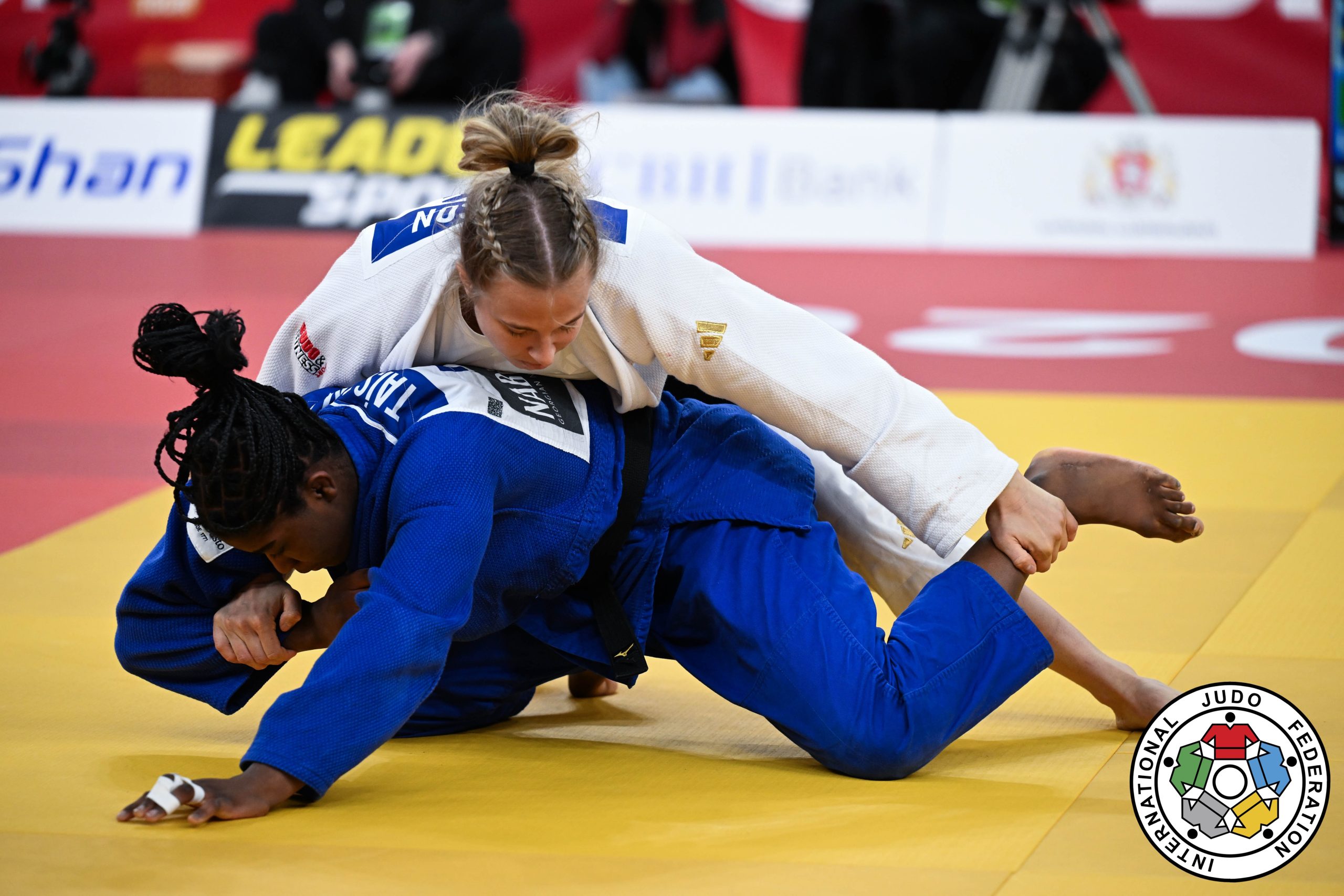
If Tara Babulfath provided one major Swedish headline, Ida Eriksson delivered the other. Competing in the women’s -70 kg category, Eriksson took bronze after another highly impressive World Tour campaign performance, reinforcing her status as one of Sweden’s most dependable judoka at international level.
The -70 kg division was one of the most competitive categories in Tbilisi. It included world-class names, dangerous outsiders and several athletes with realistic podium ambitions. To come through that field and leave with bronze was therefore no small achievement. Eriksson did not stumble into a medal. She earned it through technical quality, tactical discipline and the kind of resilience that separates reliable medal contenders from talented but inconsistent competitors.
A spectacular route through the draw
Eriksson’s opening matches already hinted that she was in excellent form. Against Georgia’s Lizi Kvartskhava, she took care of business with authority, finishing on ippon through groundwork. Then came one of her most memorable moments of the tournament: a spectacular ura-nage against Uzbekistan’s Shirinjon Yuldoshova, a throw powerful and clean enough to rank among the best actions of the entire Swedish campaign.
Her quarter-final brought a much tougher assignment in the form of Madina Taimazova, an Olympic medallist and one of the category’s most accomplished competitors. Eriksson lost that contest, but there was no collapse in her tournament. Instead, she reset quickly and came back through repechage with the kind of intent that often defines medal-winning campaigns.
Against Dutch judoka Margit de Voogd, Eriksson again displayed her ability to decide tense matches with high-level technique. After the contest moved into golden score, she produced a striking obi-tori-gaeshi to score ippon and book her place in the bronze-medal match. It was another reminder that Eriksson is not only difficult to beat but also capable of producing decisive, memorable scoring actions even under extreme pressure.
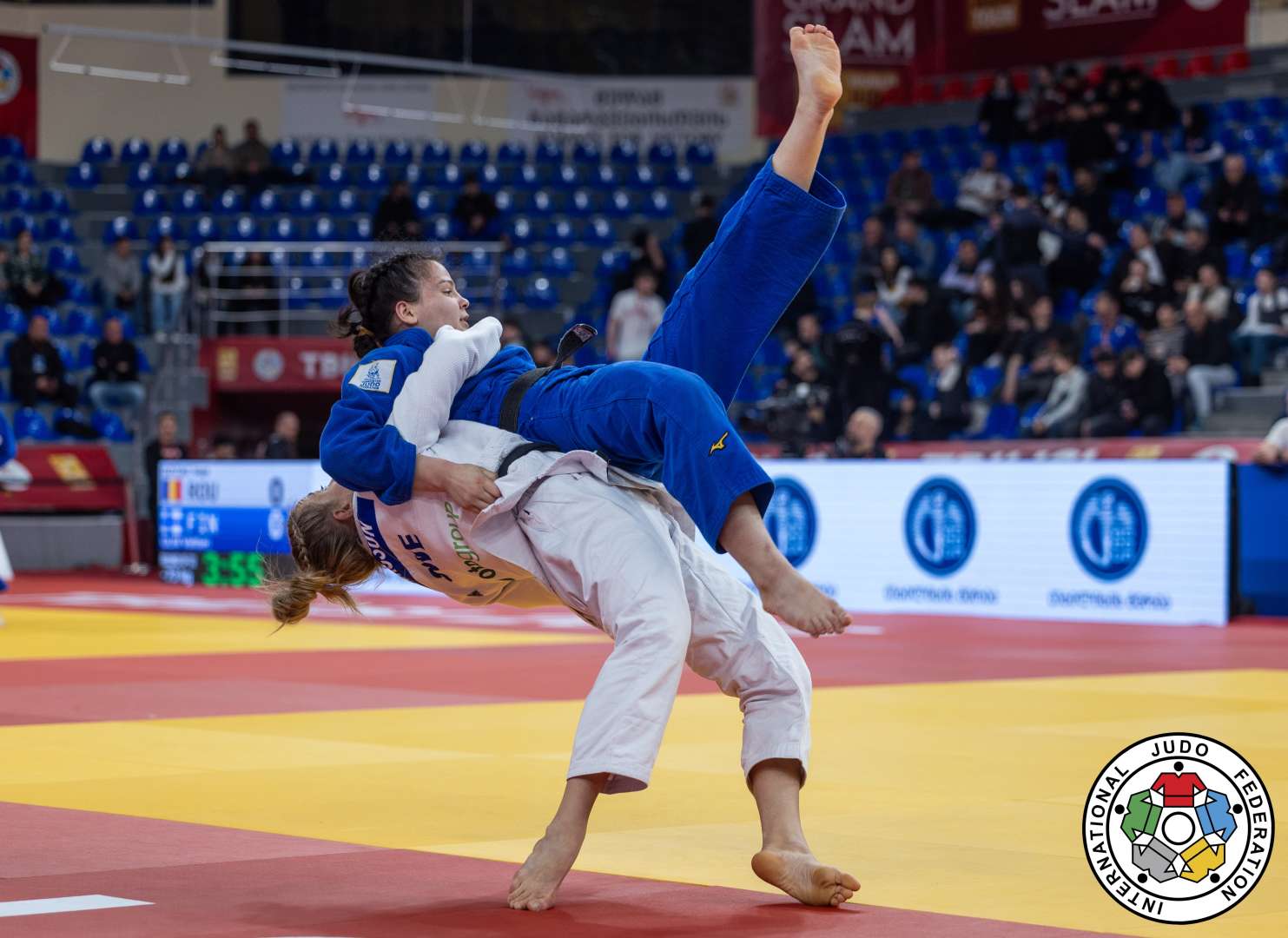
Bronze bout: patience under pressure
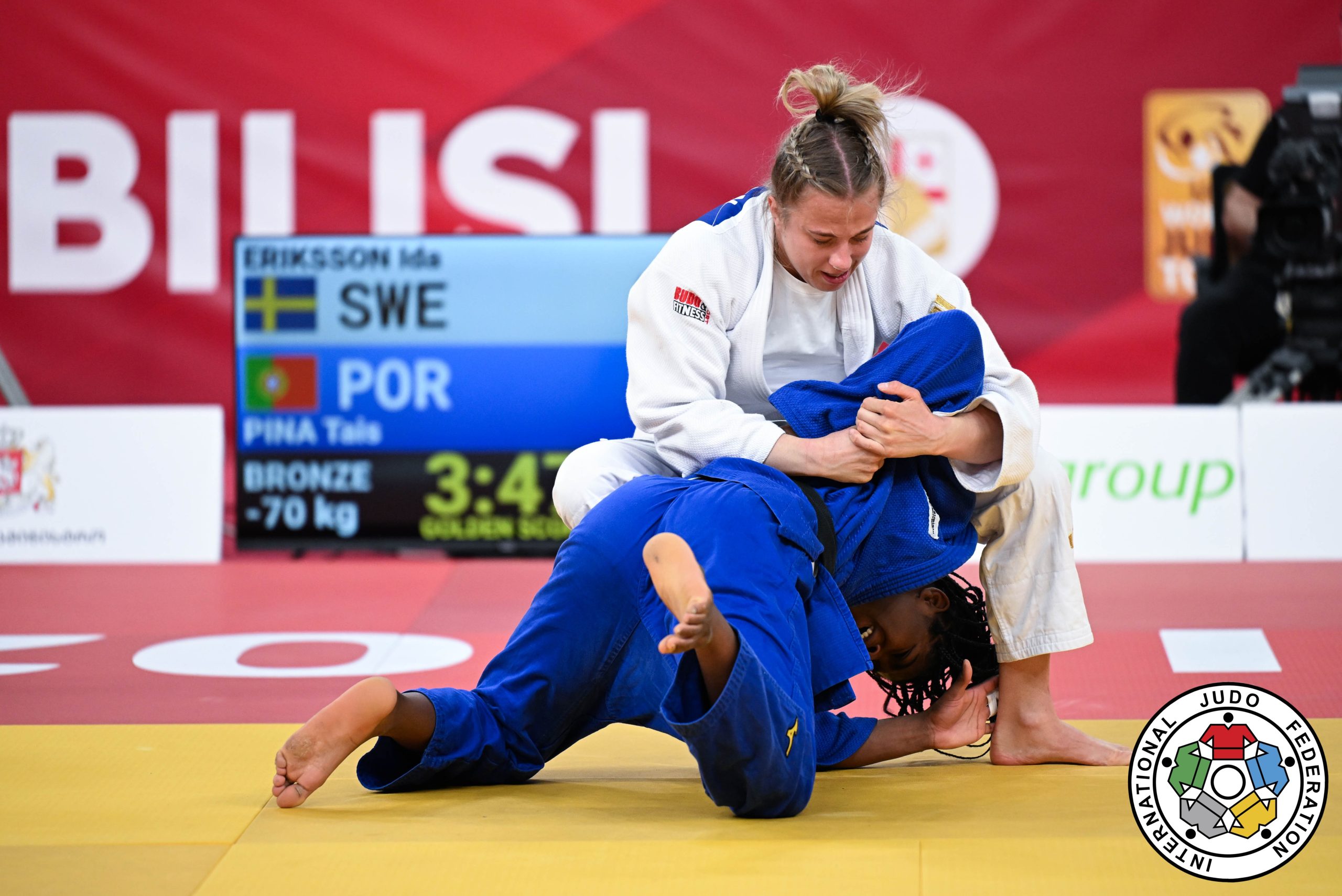
In the bronze-medal contest, Eriksson faced Portugal’s Tais Pina in a match that became increasingly tactical and physically draining. Pina showed clear respect for Eriksson’s throwing ability and often attacked in a way that seemed more defensive than offensive, attempting to avoid giving the Swede the close-range exchanges she wanted.
That made the contest awkward, but Eriksson did not allow frustration to distort her judo. Instead, she stayed present, managed the tactical battle and waited for the match to tilt. In golden score, the penalties accumulated against Pina, who was eventually disqualified for false attacks. It was not a dramatic throw to finish the contest, but it was still a worthy conclusion to a disciplined and intelligent performance.
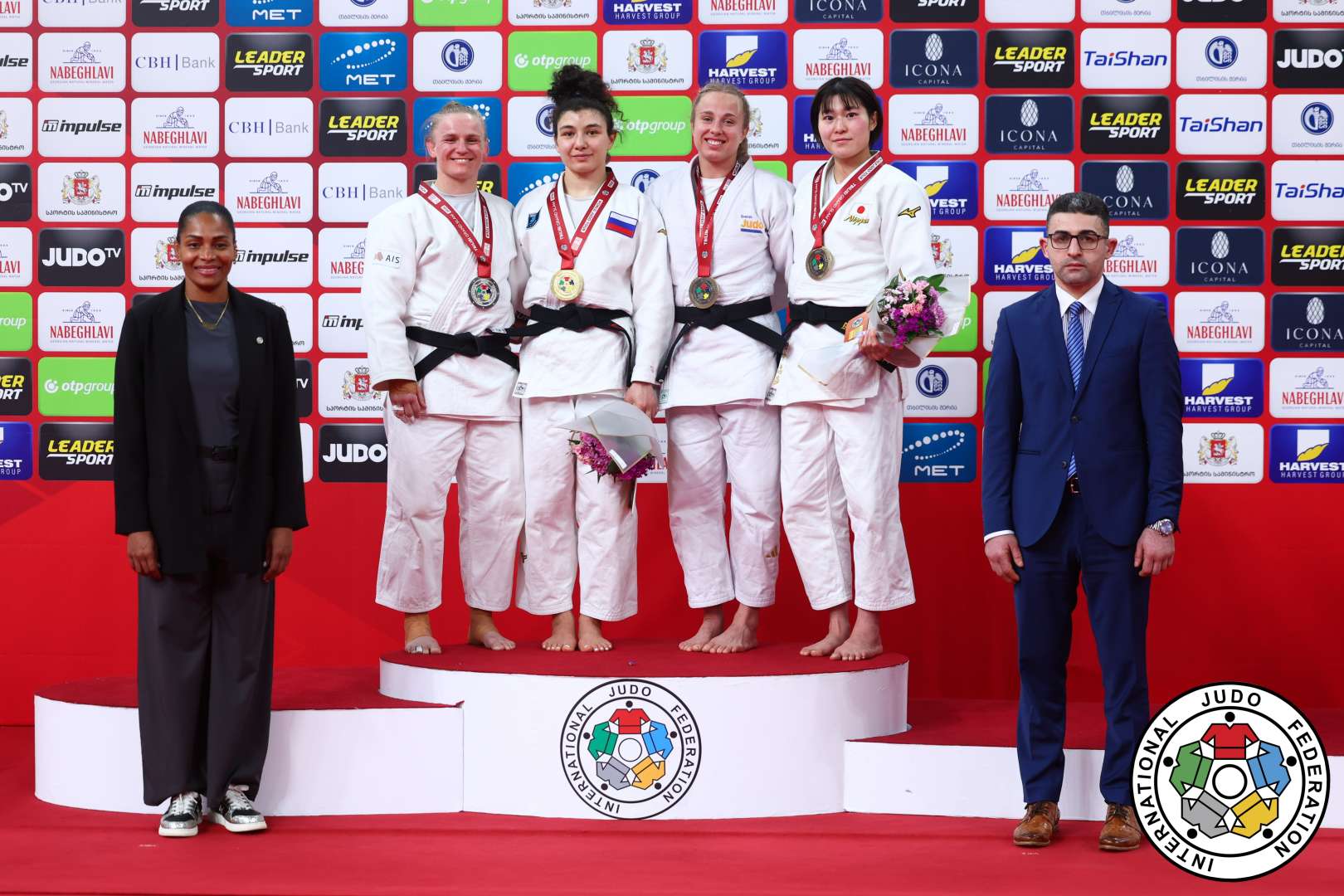
Why Ida’s medal may prove especially important
Eriksson’s bronze was not just another good result. It strengthened her position in the world rankings and added further momentum as the Olympic qualification period begins to loom larger. It also confirmed that her successful run through late 2025 was no temporary spike. She remains a serious World Tour competitor and an athlete capable of producing medals in demanding fields.
Perhaps most encouragingly, she did so in a division where many of Europe’s leading names were in action and where every win required focus. Like Tara, she now returns to Tbilisi for the Europeans with real knowledge of the venue and the reassurance that she can thrive there.
Day two belongs to Europe’s middleweights
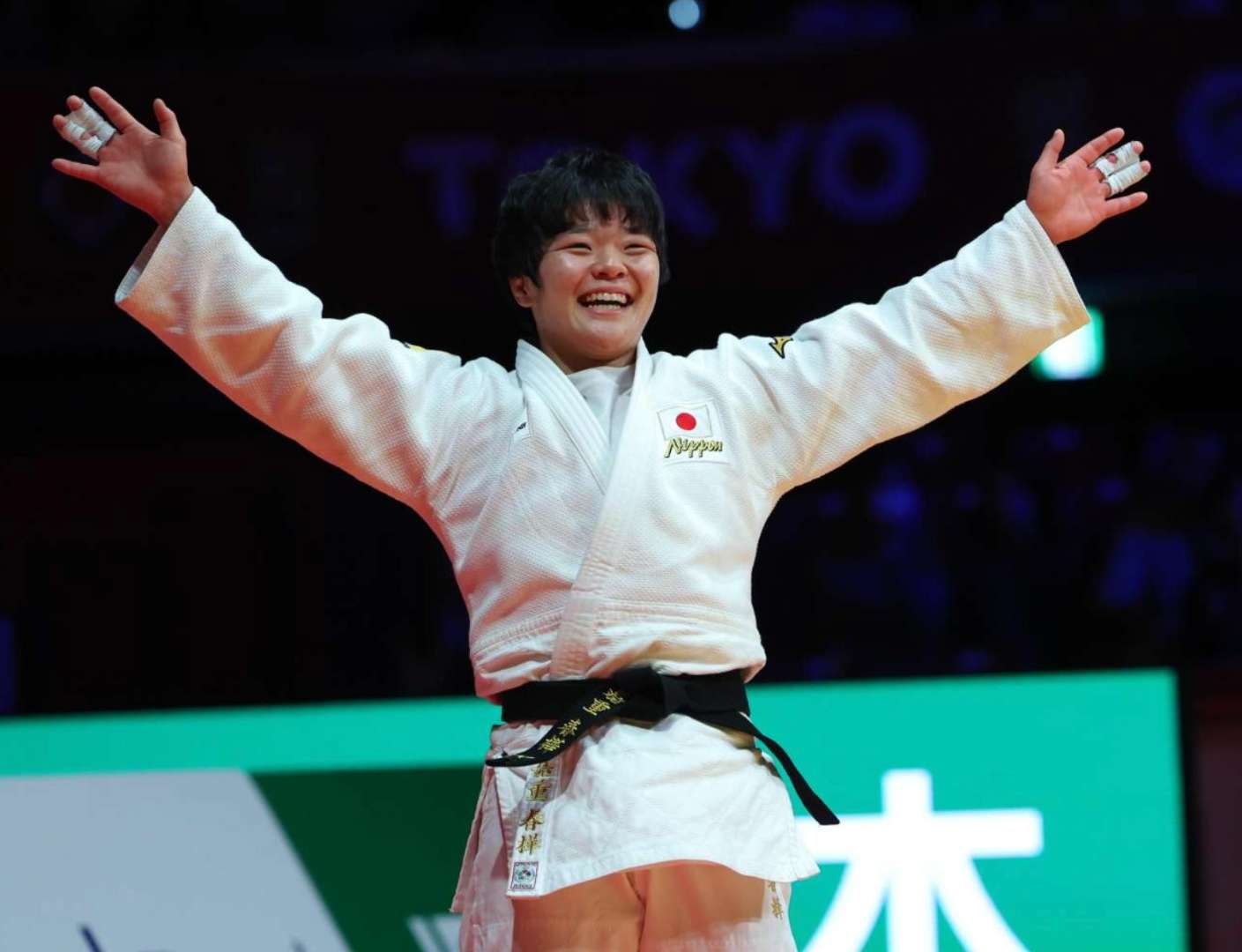
Beyond the Swedish success, day two also produced several of the tournament’s most telling results. Japan’s Haruka Kaju continued her exceptional rise in -63 kg, defeating Joanne van Lieshout in the final and once again underlining why she is already one of the sport’s most talked-about names. Calm, efficient and ruthless in her decision-making, Kaju looked every bit like an athlete establishing long-term dominance.
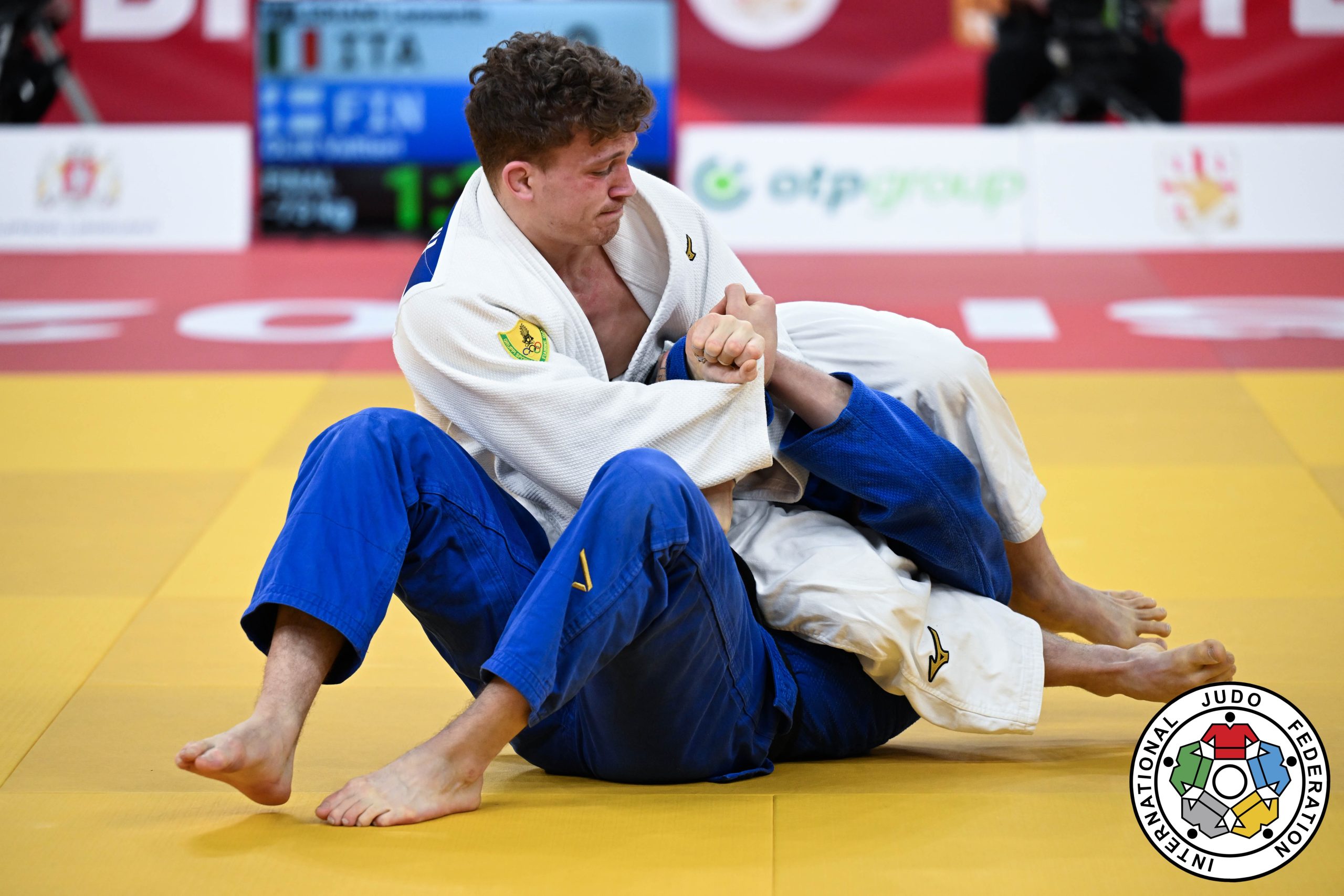
In men’s -73 kg, Italy’s Leonardo Valeriani delivered one of the finest technical moments of the weekend in the final against Finland’s Valtteri Olin. His transition work on the ground was outstanding, moving smoothly between submission threat and control to secure the gold medal. In such a deep field, that kind of finish carried real authority.
Then came the men’s -81 kg final, where Türkiye’s Vedat Albayrak staged one of the day’s most dramatic comebacks. For much of the contest, Ukraine’s Mykhailo Svidrak looked on course for gold. But Albayrak stayed alive in the fight, kept applying pressure and found the decisive waza-ari in the closing seconds. It was the kind of veteran performance built not on comfort but on trust in experience.
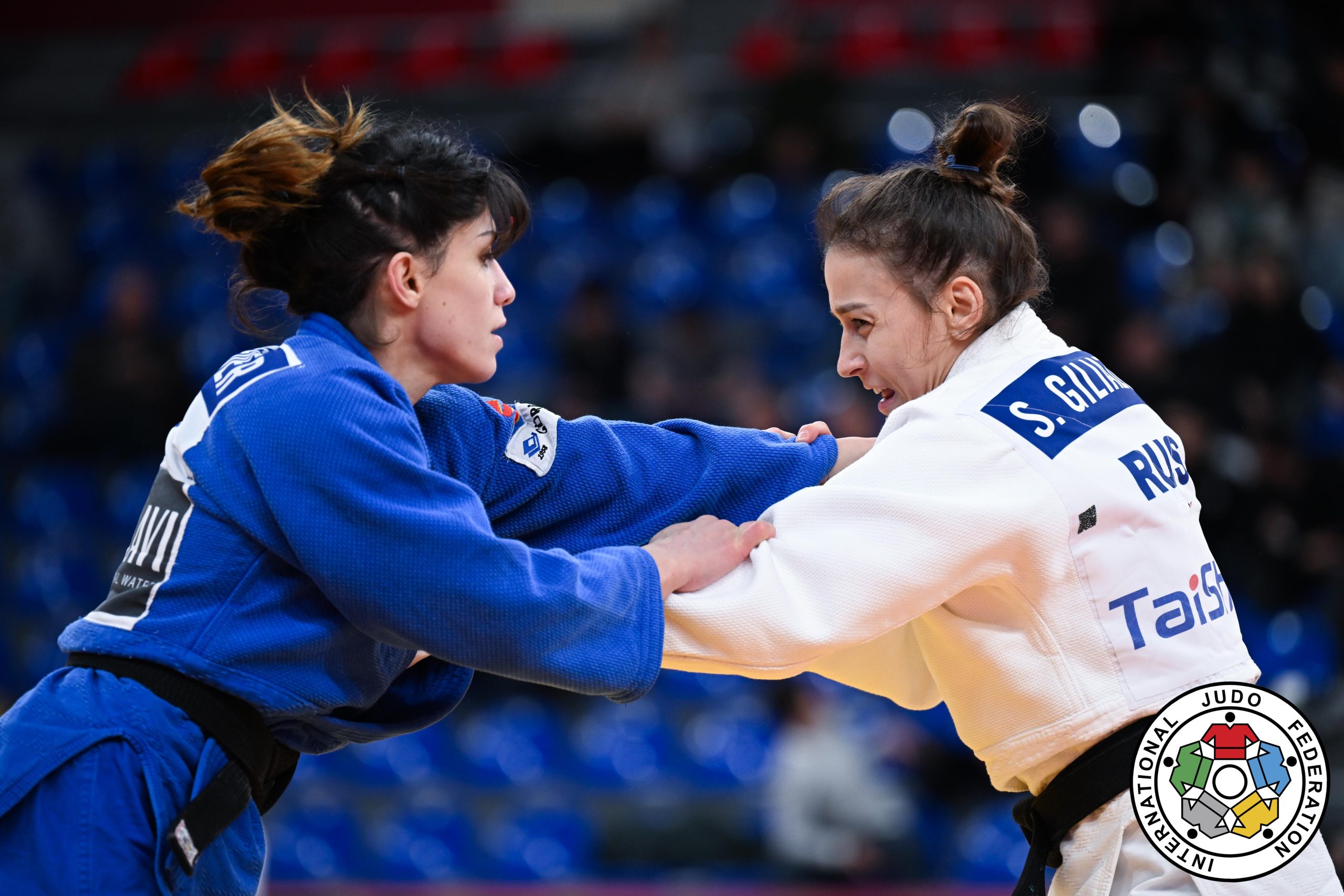
Georgia saves its loudest celebration for the final day
Home crowds always want a defining moment, and Georgia got exactly that on Sunday. After strong performances across the first two days, the host nation finally landed its biggest emotional blows with gold medals for Luka Maisuradze in -90 kg and Irakli Demetrashvili in +100 kg.
Maisuradze’s win was particularly meaningful. A world champion, a European champion and one of the key figures in modern Georgian judo, he had still been chasing his first Grand Slam title. In Tbilisi, on home soil, that wait finally ended. His final against Serbia’s Nemanja Majdov was the kind of hard, physical, high-level judo match one would expect between athletes of that calibre. When Maisuradze found the score in golden score, the response from the crowd felt like a release that had been building all weekend.
Demetrashvili then gave Georgian supporters a perfect final image by taking the heavyweight gold. In the +100 kg division, where brute force often dominates the narrative, he produced a finish of real technical quality. It was a fitting end to the event and the kind of home victory that can energise an entire national team before a major championship.
Big names, strong statements and lasting impressions
The final day also featured important wins outside the Georgian camp. France’s Audrey Tcheuméo claimed the -78 kg title, adding yet another major achievement to one of the most enduring elite careers in modern judo. In +78 kg, Israel’s Raz Hershko once again showed why she remains one of the sport’s defining heavyweights by taking gold ahead of France’s Léa Fontaine.
In men’s -100 kg, the Russian team controlled the category with both finalists coming from the same delegation. Idar Bifov defeated Niiaz Bilalov to take gold, while the Netherlands’ Simeon Catharina and the Dominican Republic’s Robert Florentino completed the podium.
Across the whole event, medal performances came from a broad range of judo nations, but the strongest overall impression remained that Europe is entering the continental championship period with serious depth and form.
What the tournament means ahead of the European Championships
The most important conclusion from Tbilisi is that the European Championships in April are shaping up to be fierce. The same arena will soon host another major event, but the atmosphere will be even more intense and the margins even smaller. Many of the athletes who medalled this weekend will return with increased confidence. Others will come back carrying frustration and a hunger to respond.
For Sweden, the signs are particularly encouraging. Tara Babulfath and Ida Eriksson both left Tbilisi with medals, momentum and the valuable experience of having performed well under exactly the conditions they will soon face again. That is not something that can be manufactured in training. It can only be earned in competition.
The Swedish team also leaves with something else: belief. Belief that medals are realistic, belief that their leading athletes are in form, and belief that the upcoming Europeans could offer real opportunity.
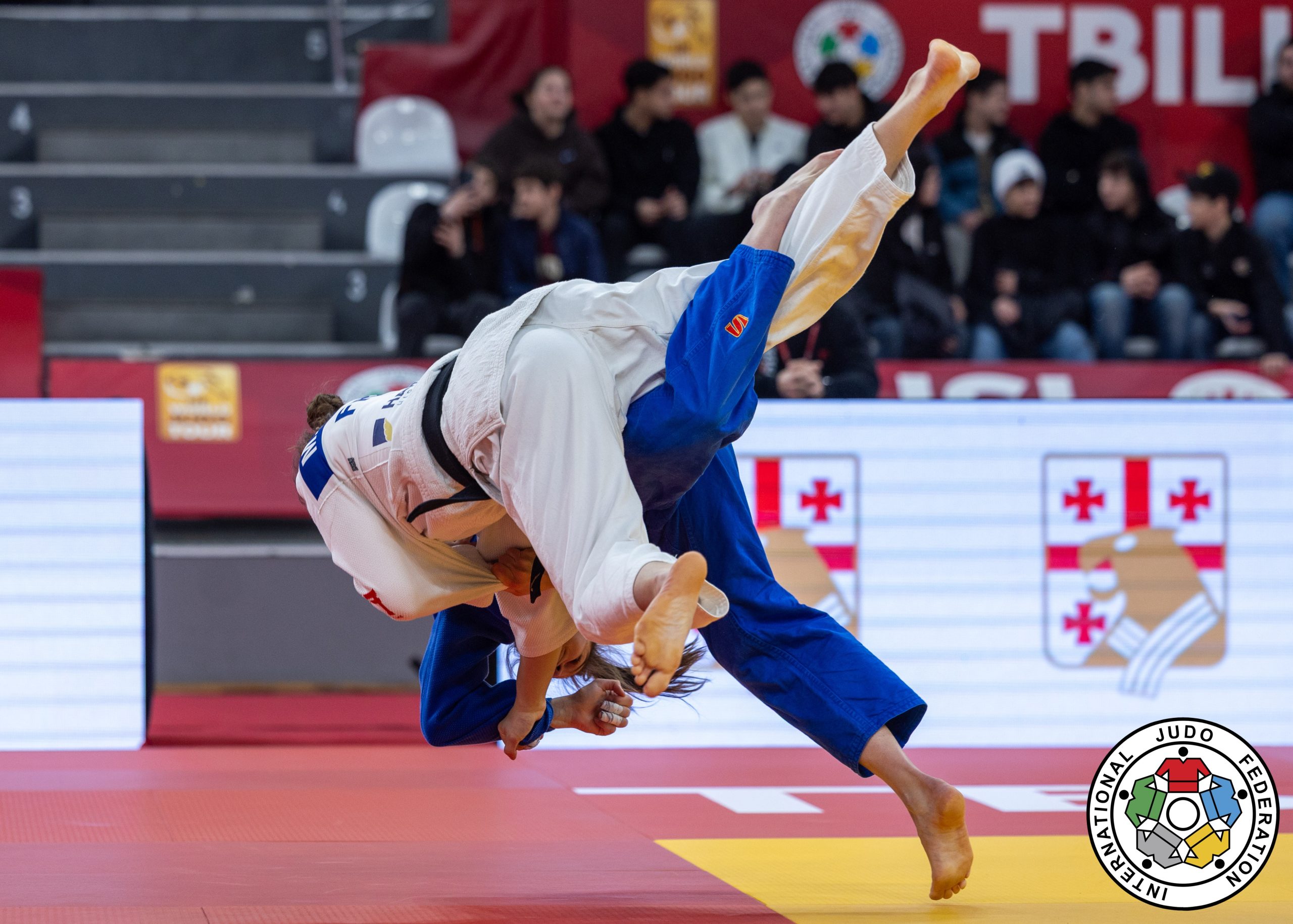
Sweden leaves Tbilisi with momentum
In the wider context of international judo, a silver and a bronze from a Grand Slam is already a strong return. In this specific context, it felt even more important. Tara Babulfath and Ida Eriksson did more than reach the podium. They gave Swedish judo two substantial performances at exactly the right time in the season.
Tara showed she can fight through a difficult draw and reach a Grand Slam final in a major arena. Ida showed she can once again navigate one of the hardest divisions on the tour and come away with a medal built on both technical flair and tactical intelligence.
Those are not minor details. Those are signals.
A weekend that may matter even more in hindsight
The Tbilisi Grand Slam 2026 will be remembered as another passionate, high-level weekend in one of the sport’s most special cities. But it may also be remembered as something more specific: the event that clarified the shape of the road to the European Championships.
Georgia got its home glory. Europe confirmed its strength. Sweden found real encouragement. And several of the sport’s major names used the weekend to remind everyone that the margin between contender and champion is often built in events exactly like this one.
When the European Championships begin in Tbilisi next month, the hall will be familiar, the crowd will be loud and the pressure will be enormous. After this Grand Slam, one thing is certain: no one will arrive unprepared.
Photo: (c) Kulumbegashvili Tamara – Grand Slam Judo 2026 Tsibili, IJF.
Tbilisi Grand Slam 2026 / IJF.org
Tbilisi Grand Slam 2026: preview – European Judo Union
Near-Perfect: 9/10 on Day One – European Judo Union
Day Two: A Day of Authority – European Judo Union
Silver till Tara Babulfath på Tbilisi Grand Slam | Svenska Judoförbundet
Grand slam-brons till Ida Eriksson – Svenska Judoförbundet
Tbilisi Grand Slam 2026 set for world class judo action
Judo Grand Slam de Tbilissi 2026 : programme et résultats mis à jour
Judo Baltic Sea Championships 2025 – Results & Highlights
Visa detta inlägg på Instagram
Visa detta inlägg på Instagram
Visa detta inlägg på Instagram
Comment