


Riga has built a reputation as one of the European Judo Tour’s most reliable proving grounds, and the 2026 Senior European Cup once again delivered exactly that: depth, opportunity and a sharp picture of who is ready to move up. Held on 21-22 March at the Rigas Nacionala Sporta Maneza, the event brought together athletes from across Europe and beyond in a tournament that sat right on the border between development platform and serious senior-level benchmark. The pre-event EJU preview listed 254 judoka from 27 nations, while the official event report recorded 242 competitors from 27 nations by the close of competition, underlining both the scale and competitiveness of the weekend. Riga also arrived with added significance after the city was announced as host of the inaugural Ne-waza European Championships later this year, another sign of Latvia’s growing importance on the continental judo calendar.
That wider context mattered, because Riga was not just another cup stop. It was a pressure point in the season. For some athletes it was a route back after injury, for others a test of readiness after junior success, and for a select few an opportunity to make a serious statement in front of coaches, federations and rivals. EJU’s own preview framed the event around “development, progress and opportunity,” with established senior names such as Mihail Latisev and John Jayne sharing the stage with rising talents like Sweden’s Narek Vardanian. That blend of experience and ambition is often what gives Riga its edge: the tournament rewards not only talent, but composure, tactical maturity and the ability to impose a style across multiple rounds in a short space of time.
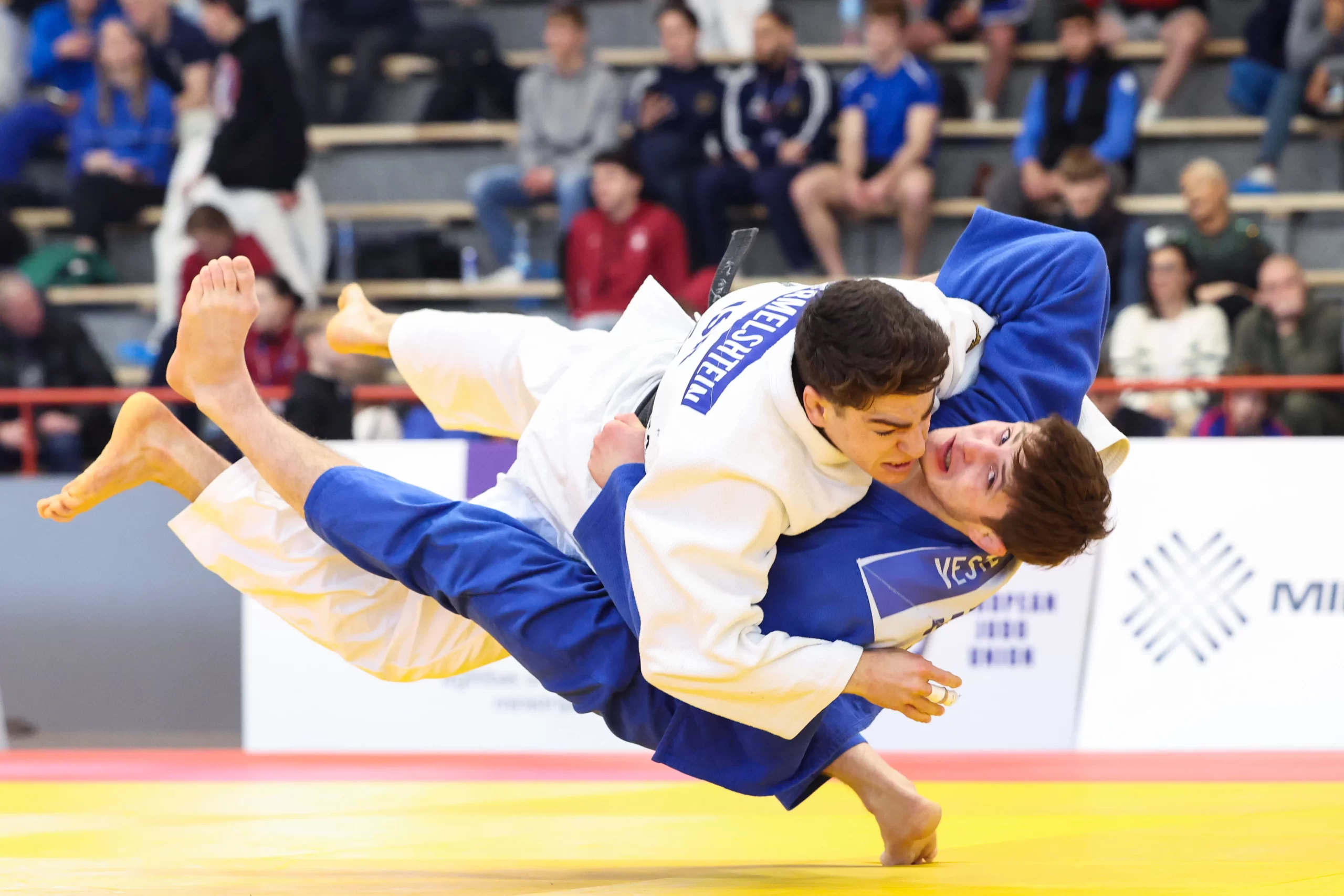
By the end of the weekend, Sweden had emerged as one of the great success stories of the tournament. Officially, Sweden finished third in the medal table with two gold medals, one silver and one bronze, behind Germany and Ukraine. For a nation still fighting for deeper senior consistency on the European circuit, that was a significant result. It was made more impressive by the fact that several of the standout Swedish performances came from athletes either still in the junior ranks or transitioning upward. Sweden did not simply collect medals; it placed athletes into meaningful matches, showed breadth across categories and left Riga with momentum that felt larger than a single weekend.
A tournament built on opportunity
The overall shape of the competition reflected what Riga has become on the European tour. The gold medals were spread widely, and day two in particular underlined the event’s international character, with every gold on the final day claimed by a different nation. Germany ended the weekend on top of the standings with three golds and four bronzes. Ukraine followed with two golds and three silvers, while Sweden’s four-medal haul secured third place. That kind of spread is important. It suggests a field without one overwhelming power, where tactical sharpness and confidence on the day can tilt the balance. It also explains why Riga is so valued by developing athletes and federations looking to accelerate progression toward European Opens, Grand Prix events and, eventually, championships.
The medalists across the weekend reflected that diversity. Germany’s Florian Boecker captured the first European Tour medal of his career by winning -66 kg, while Croatia’s Nina Cvjetko produced one of the most commanding performances of day one in -63 kg. Moldova’s Mihail Latisev lived up to his billing in -90 kg, and Poland’s Wiktoria Slazok ground out a demanding -48 kg gold. Yet from a Swedish perspective, the defining image of the weekend was not one athlete but a sequence: Narek Vardanian taking control of -73 kg on Saturday, then Alexander Marlov following with gold in -81 kg on Sunday. Two young Swedes, both born in 2007 according to the material supplied for this article, both stepping into senior European Cup action and winning. That gave Sweden’s campaign a historic feel.
Narek Vardanian sets the tone
If Sweden needed one athlete to open the door, it was Narek Vardanian who did it. Competing in the stacked -73 kg category, one of the deepest divisions of the weekend, Vardanian did more than survive the field; he controlled it. The official results list him as gold medallist in a category that featured 40 judoka, while EJU’s day-one report singled him out as one of the event’s standout performers and highlighted his victory over top seed Vlad Mitru of Moldova in the final. The same EJU preview had already flagged him as “one to watch,” noting his silver medal from the 2025 Junior European Championships and his gold earlier this year at the Portimao Junior European Cup. Riga was therefore not a surprise in the purest sense, but it was a confirmation: Vardanian is moving into senior level faster than most athletes do.
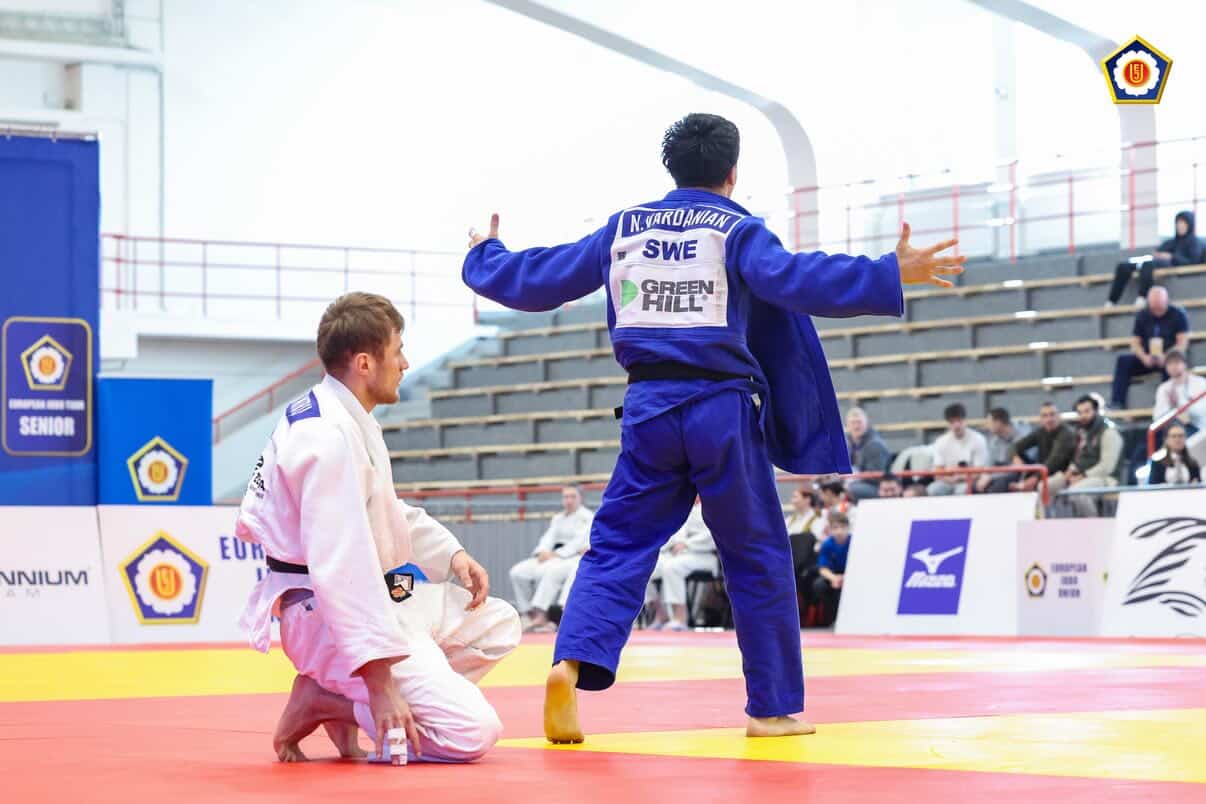
That matters because the jump from junior success to senior consistency is one of the most difficult transitions in judo. Junior athletes often bring speed and technical invention, but senior competition punishes hesitation, weak gripping phases and lack of match management. Vardanian’s weekend suggested he is already learning how to navigate those traps. EJU described him as “outstanding” throughout the day, and his final victory over Mitru was framed as a composed and confident performance rather than a chaotic upset. In practical terms, that is the strongest signal a young athlete can send: not just that he can win, but that he can look settled doing it.
There is also a broader narrative around Vardanian’s rise. The IJF profile identifies him as an 18-year-old Swedish judoka, and the pre-event EJU coverage connected his Riga campaign to a growing list of results at junior level. Social media reactions from Swedish and club accounts emphasized that this was his senior European Cup debut, making the gold even more striking. When a junior wins senior gold in one of the hardest categories on the day, it changes how coaches, opponents and selectors look at him. Riga was not the end of a story for Vardanian; it felt like the start of a new chapter.
Alexander Marlov follows with another gold
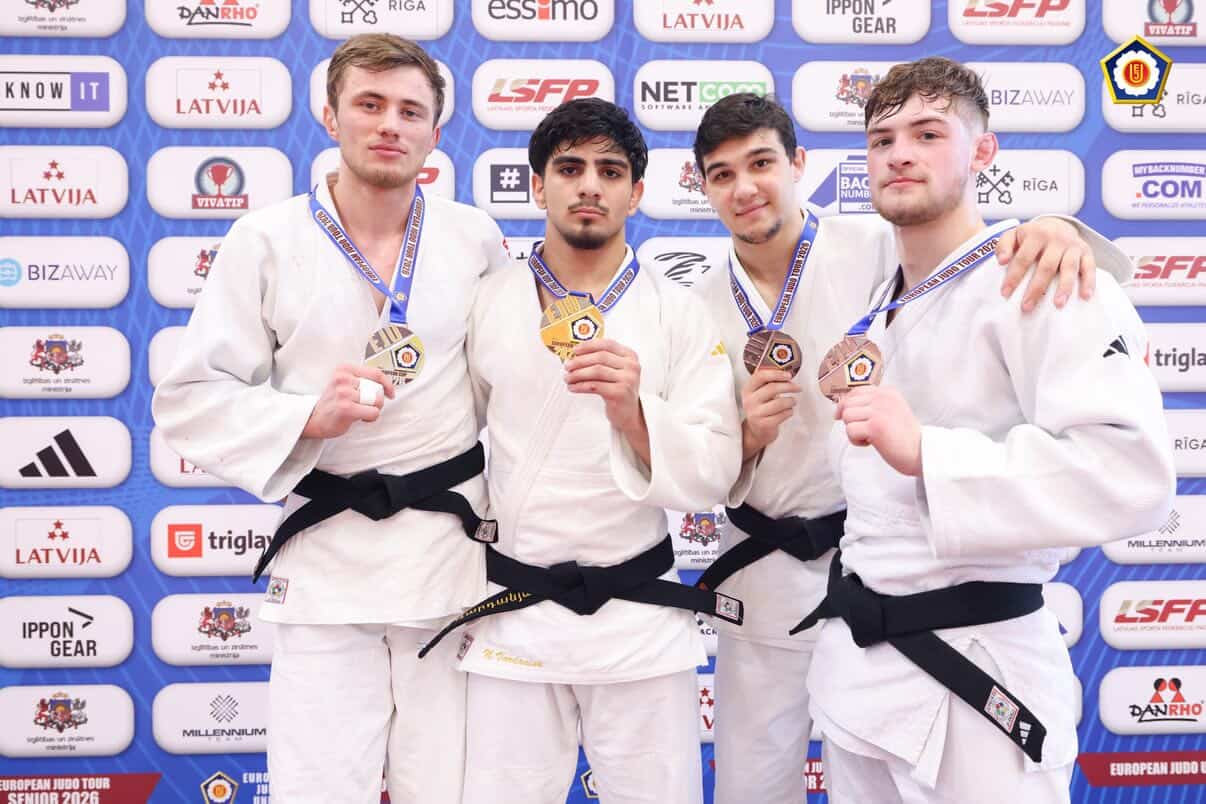
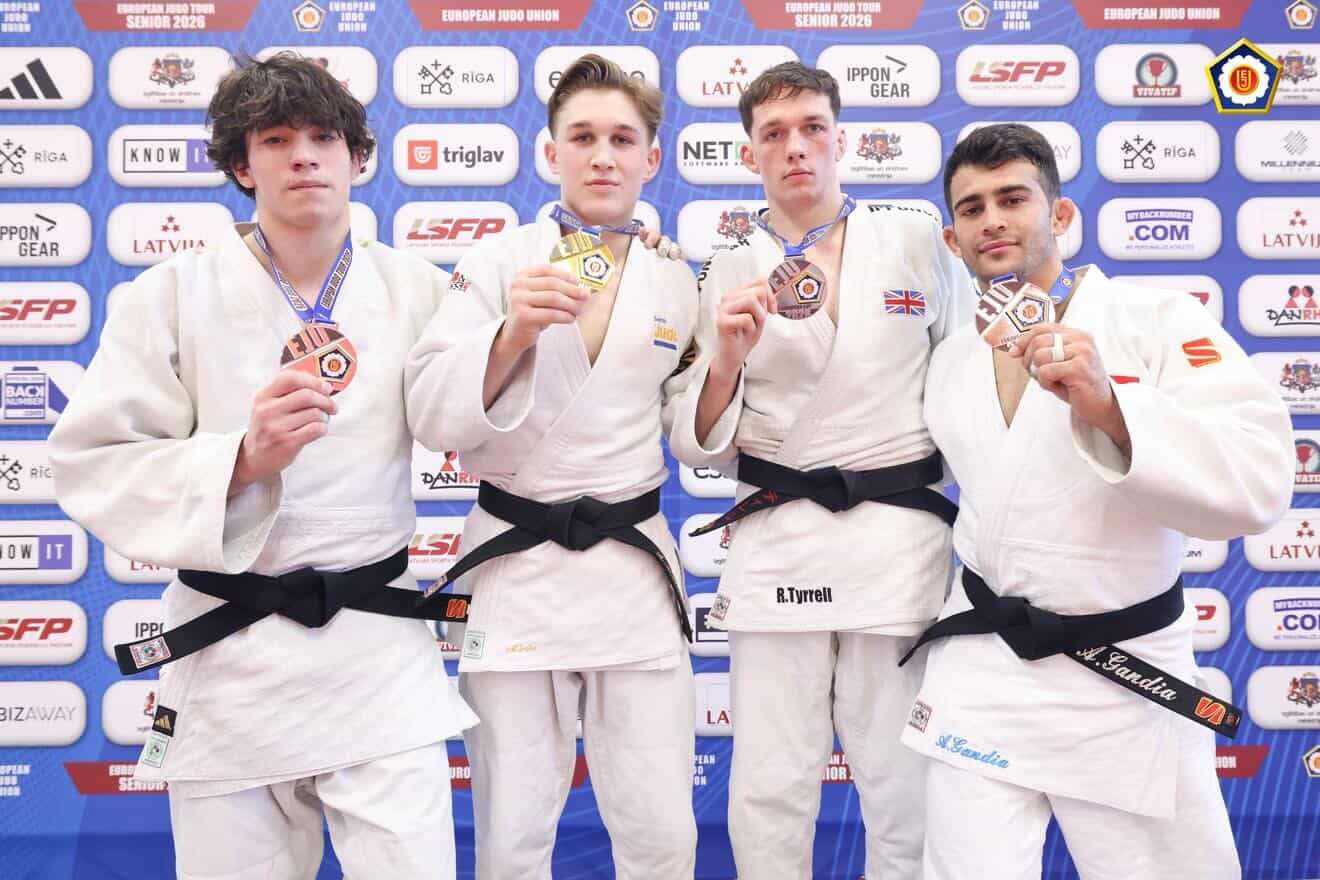
If Vardanian lit the spark, Alexander Marlov kept the fire burning. On day two, Marlov won -81 kg and gave Sweden a second gold medal, again from a young athlete stepping into senior European Cup competition with remarkable authority. The official final results show Marlov defeating Anton Klymenko of Ukraine in the final, with Rory Tyrrell of Great Britain and Adrian Gandia of Puerto Rico taking bronze. Sweden’s Ville Mattsson also reached seventh in the same category, strengthening the impression that this was one of the national team’s most productive divisions in Riga.
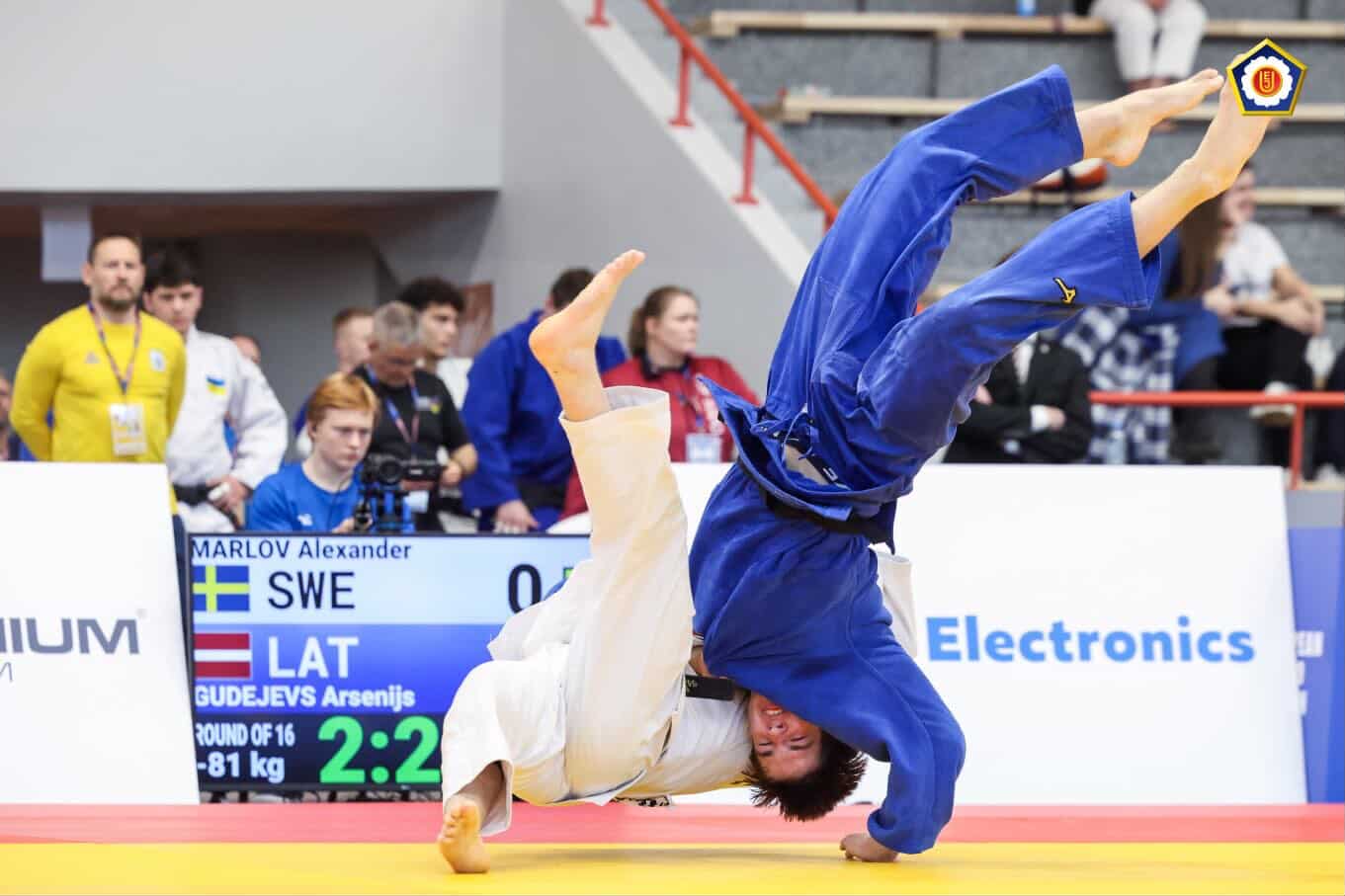
Marlov’s own account of the competition, supplied in the background material for this article, gives the result extra texture. He described entering the tournament with the intention of winning, believing that when everything clicks, very few can stop him even in a difficult field that included major international names. He detailed a route built on varied and expressive judo: a ne-waza sequence into armlock in his opening contest, an ura-nage score in match two, one of his favored khabarelli attacks in match three, a comeback quarter-final against Ukraine after falling behind, a headline uchi-mata in the semi-final against Germany, and then a disciplined final shaped by the match plan he and coach Uffe Lindblom had prepared. Read against the official result sheet, the description helps explain why his gold felt so important. It was not a narrow escape through the draw; it was the performance of an athlete with range, identity and belief.
IJF records further strengthen that impression of momentum. Marlov’s IJF profile lists him as 18 years old, and his results page shows the Riga Senior European Cup arriving just two weeks after a gold medal at the Portimao Junior European Cup. In other words, Riga did not emerge in isolation. It was part of a sequence. Winning back-to-back European Cups across junior and senior level is one thing; doing it while still in the second year of juniors makes the statement louder.
Vilda Backlund’s silver was a major senior statement
On the women’s side, Sweden’s best result came from Vilda Backlund in -63 kg, where she reached the final and took silver. This is worth highlighting clearly because some of the raw Swedish material circulating after the event mixed up the medal colors in that category. The official EJU event report and draw/report pages show Nina Cvjetko of Croatia winning gold, Vilda Backlund taking silver, and Naemi Jaworowski sharing bronze with Ukraine’s Iia Kuchava. EJU’s day-one article describes Cvjetko defeating Jaworowski on her way through the bracket before beating Backlund in the final by waza-ari followed by immediate osae-komi.
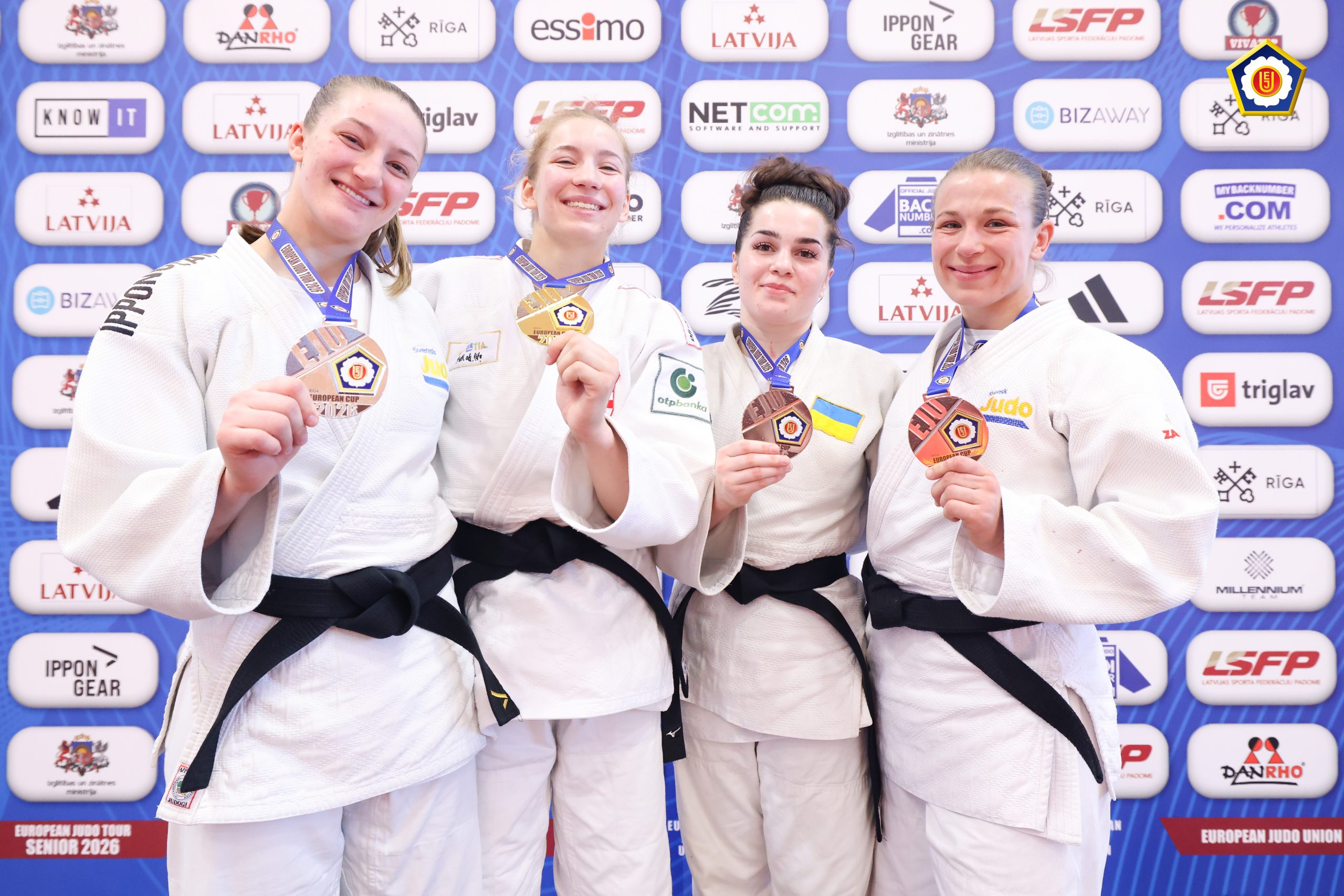
For Backlund, however, silver should not be read as a near-miss alone. It was an important senior-level performance. Her IJF profile identifies her as a 20-year-old Swedish judoka, and Swedish social-media coverage described Riga as her senior European Cup debut, noting that she powered her way to silver after three victories in -63 kg. In a category where Britain, Ukraine, Denmark, Germany and Sweden were all represented by credible athletes, Backlund’s run to the final showed that Sweden’s depth on the women’s side is improving, especially among athletes who are beginning to bridge the junior-senior divide. The result also gave Sweden a second women’s medal on the opening day and added crucial balance to the team’s overall campaign.
Naemi Jaworowski delivered another podium
Naemi Jaworowski’s bronze in -63 kg carried a deeper significance than the result alone. Official event data placed her on the podium alongside Ukraine’s Iia Kuchava, completing a superb weekend for Sweden in one of the tournament’s most competitive women’s categories. Jaworowski’s journey to this medal has been anything but straightforward.
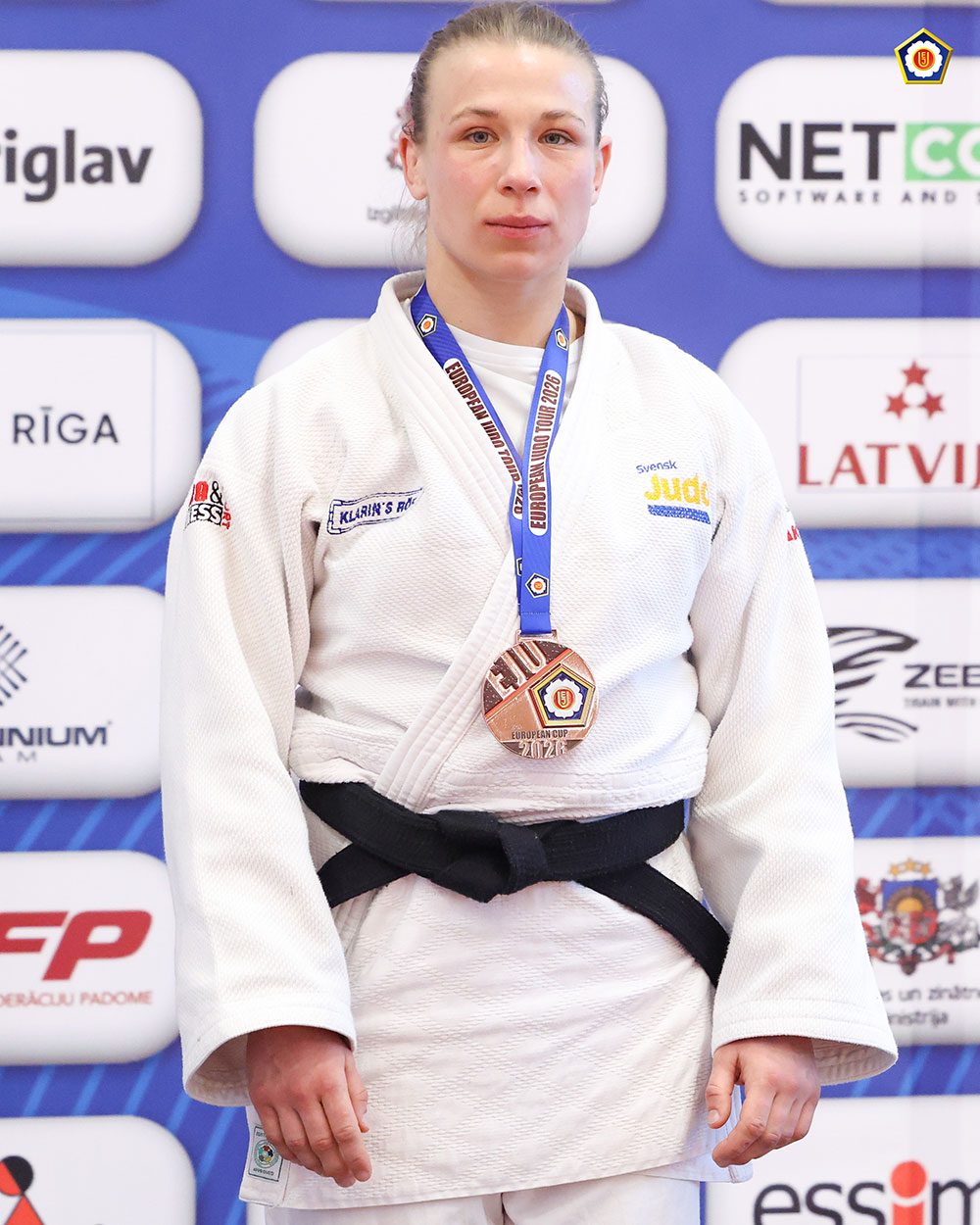
She came to judo relatively late, starting at the age of 16 almost by chance, after a background in football. What she found on the tatami was something entirely different: the intensity of the training, the feeling of pushing her body to its limit, and the freedom of simply being herself on the mat. Her progress came quickly, and she began competing almost immediately, gradually climbing through the ranks and eventually earning her place in the national team. All the while, she balanced her elite ambitions with studies in engineering, then full-time work, and today life as an entrepreneur.
For years, she chased the European Cup medal she felt was always within reach, supported by a close team of friends and training partners who often believed in her more than she believed in herself. Over time, that belief grew into something stronger: confidence, calm and presence under pressure. In Riga, all of it came together. Jaworowski stepped onto the mat with clarity, composure and trust in her plan, and when the decisive moments came, she delivered. That bronze medal was more than a podium finish; it was the reward for years of persistence, sacrifice and patience, and a moment she could finally share with the people who helped shape her journey on and off the mat.
Gretha Ostlind, Isac Ripsater and the value of deep runs
Not every important Swedish performance ended on the podium. Gretha Ostlind finished fifth in -63 kg, while Isac Ripsater took seventh in -66 kg. Official results confirm both placements, and those finishes mattered in the overall shape of Sweden’s weekend. Ostlind was part of the same highly competitive -63 kg field that produced Swedish silver and bronze, while Ripsater battled through -66 kg to secure a top-seven result in a category won by Germany’s Florian Boecker. In team terms, these were not background results. They showed that Sweden was not represented by one or two isolated stars, but by a group capable of advancing through brackets across multiple divisions.
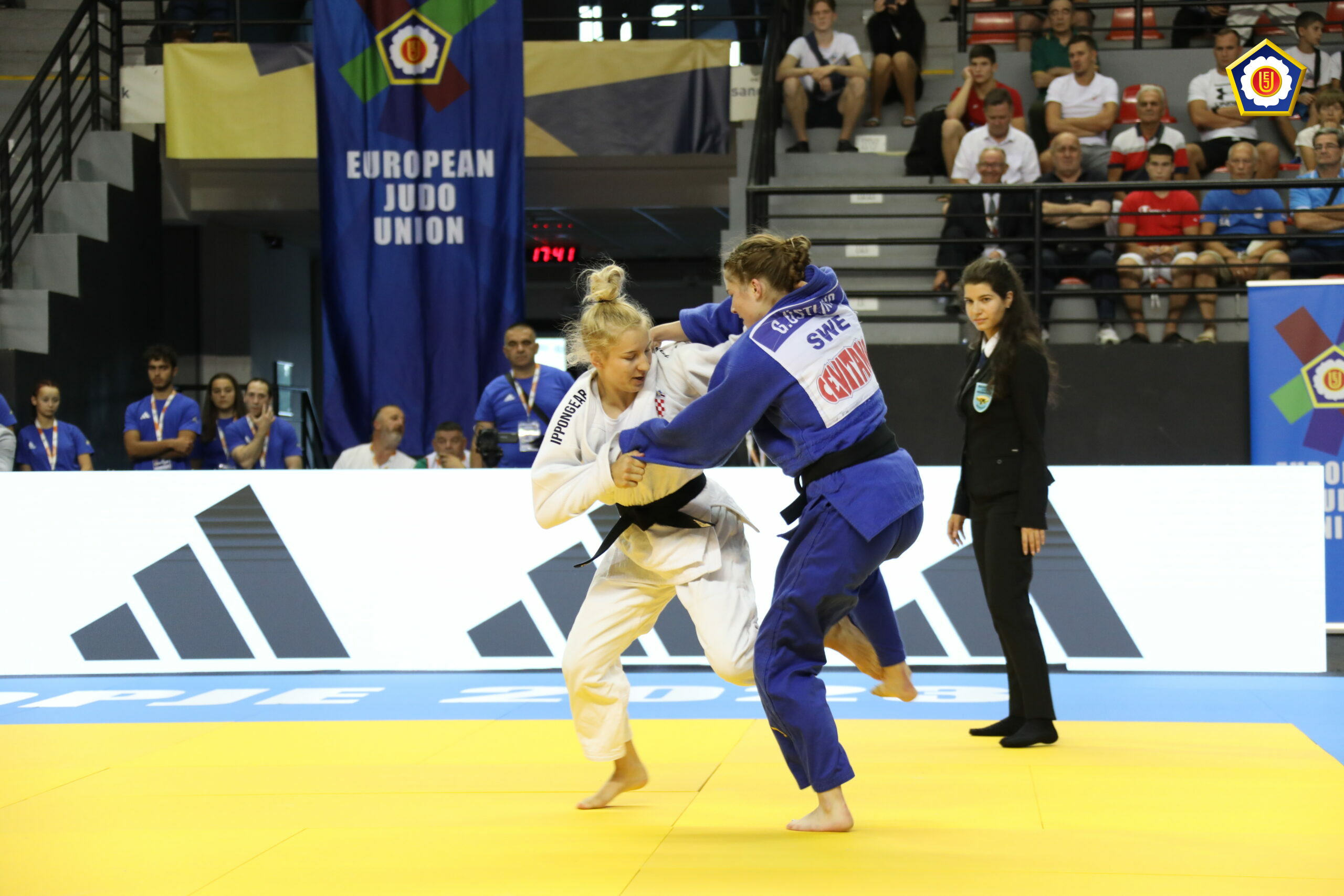
Ripsater’s result is especially notable in the context of the men’s team. His IJF profile lists him as 23 years old, putting him in the age range where senior European Cups should become spaces for consolidation and upward movement. A seventh place is not a medal, but at this level it can still be a meaningful checkpoint, particularly in categories where a single exchange can separate podium from placement. Social media from Swedish judo channels also highlighted his Riga performance as a seventh-place finish after multiple wins, which fits the picture of an athlete contributing valuable team points and competitive depth.
For Ostlind, fifth place felt similarly relevant. Her name appears in the official -63 kg draw and result structure, and Swedish/club social media described her finish as well earned. In categories with narrow margins, fifth place can often be a sign of proximity rather than distance. A good European Cup campaign is not only about medals; it is also about who is repeatedly entering quarter-finals, repechages and medal fights. Ostlind’s Riga weekend belongs in that conversation.
Sweden’s Riga story was about more than medals
One reason Sweden’s result stood out was the shape of it. This was not a medal table padded by one exceptional athlete. It was built across categories, genders and age profiles. Two golds came from teenage athletes. The women’s -63 kg division produced two medals and a fifth place. Ripsater and Mattsson both added seventh places. That profile speaks to a program moving in the right direction. The official event report’s standings capture the headline, but the deeper takeaway is developmental: Sweden looked like a team with layers.
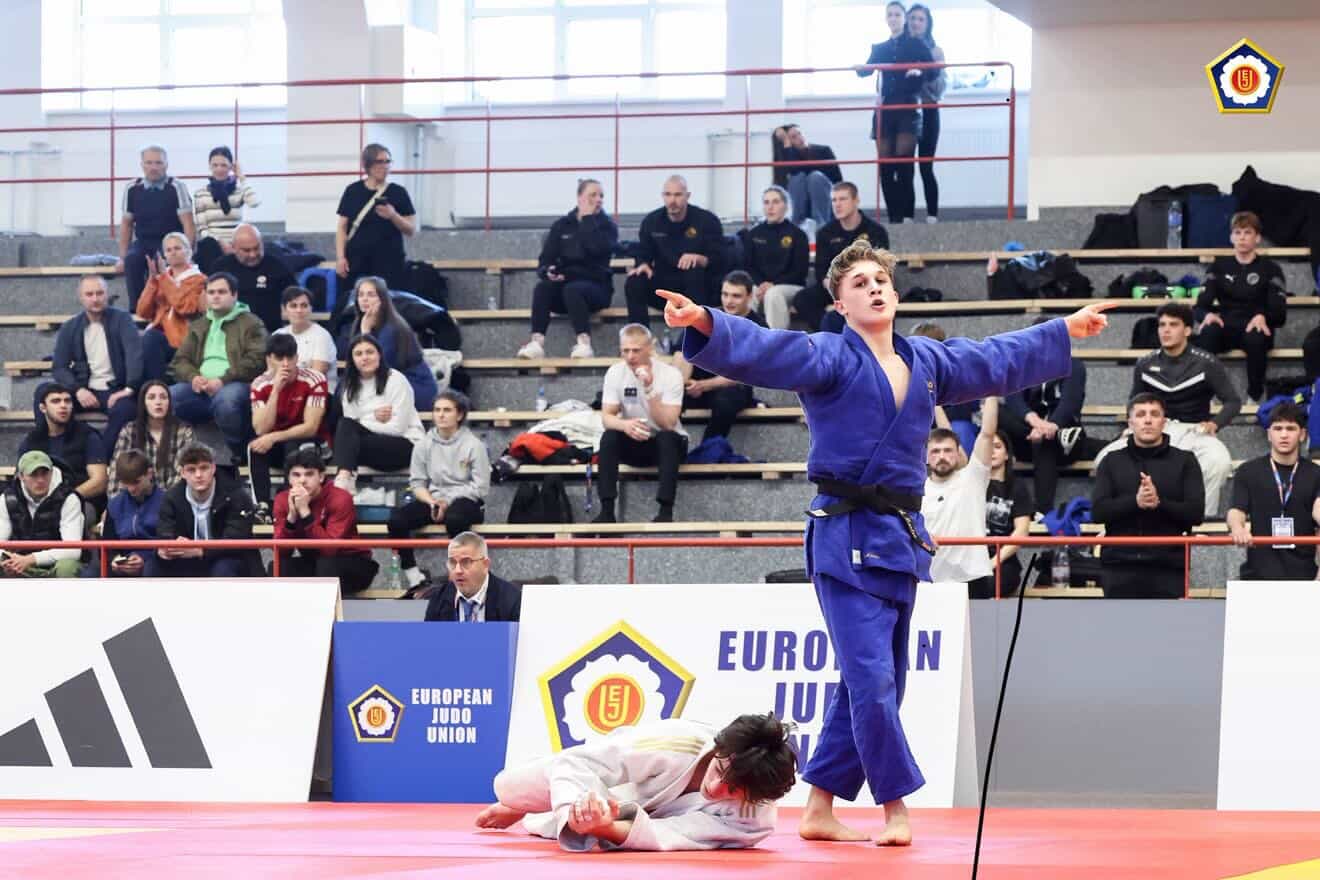
There is also a club-level dimension that should not be ignored. In the material provided for this article, Marlov credits coach Ulf Lindblom and Huvudstadens Judoklubb for playing a major role in both his and Vardanian’s rise. He points to the culture of hard work, humility and the impact of training partners inside a young club already producing national champions and European Cup medals. Whether one frames that as a club success story, a coaching success story or a systems story, it fits the broader evidence from Riga: Swedish judo’s best young athletes are not only talented, they are arriving better prepared to compete internationally.
Riga’s significance for what comes next
The tournament ended, as EJU noted, with the tour quickly moving onward to Dubrovnik. That is the rhythm of the European circuit: little time to celebrate, even less time to pause. Yet Riga was the sort of event that lingers. Not because it decides championships, but because it reveals trajectories. Latisev looked ready for larger objectives. Cvjetko confirmed her class. Boecker broke through. And Sweden, perhaps most notably, looked like a nation whose next generation is no longer waiting politely for its turn. It is already arriving.
For Vardanian, Riga sharpened the sense that he is a legitimate senior threat already, not merely a junior prospect. For Marlov, it reinforced that his technical ambition can hold up under senior pressure. For Backlund and Jaworowski, the women’s medals gave Sweden proof of strength in depth. For Ostlind and Ripsater, the placings kept the team’s competitive base broad. Taken together, those threads made Riga one of the most encouraging Swedish judo weekends of the early 2026 season.
In the end, the most accurate way to describe Riga Senior European Cup 2026 from a Swedish perspective may be this: it was not an isolated upset, and it did not feel accidental. The medals were real, the placements were real, and the manner of the performances suggested something deeper than one good draw. Riga offered Sweden a platform, and Sweden used it brilliantly. That is why the weekend matters. It was not only a success in the standings; it was a sign that Swedish judo is building athletes who can step into senior European competition and believe they belong there.
No Pause, Just Progress – European Judo Union
Rising to the Occasion – European Judo Union
A Different Flag for Every Gold – European Judo Union
Tbilisi Grand Slam 2026: Tara and Ida shine for Sweden.
Visa detta inlägg på Instagram
Visa detta inlägg på Instagram
Visa detta inlägg på Instagram
Visa detta inlägg på Instagram
Visa detta inlägg på Instagram
Visa detta inlägg på Instagram