


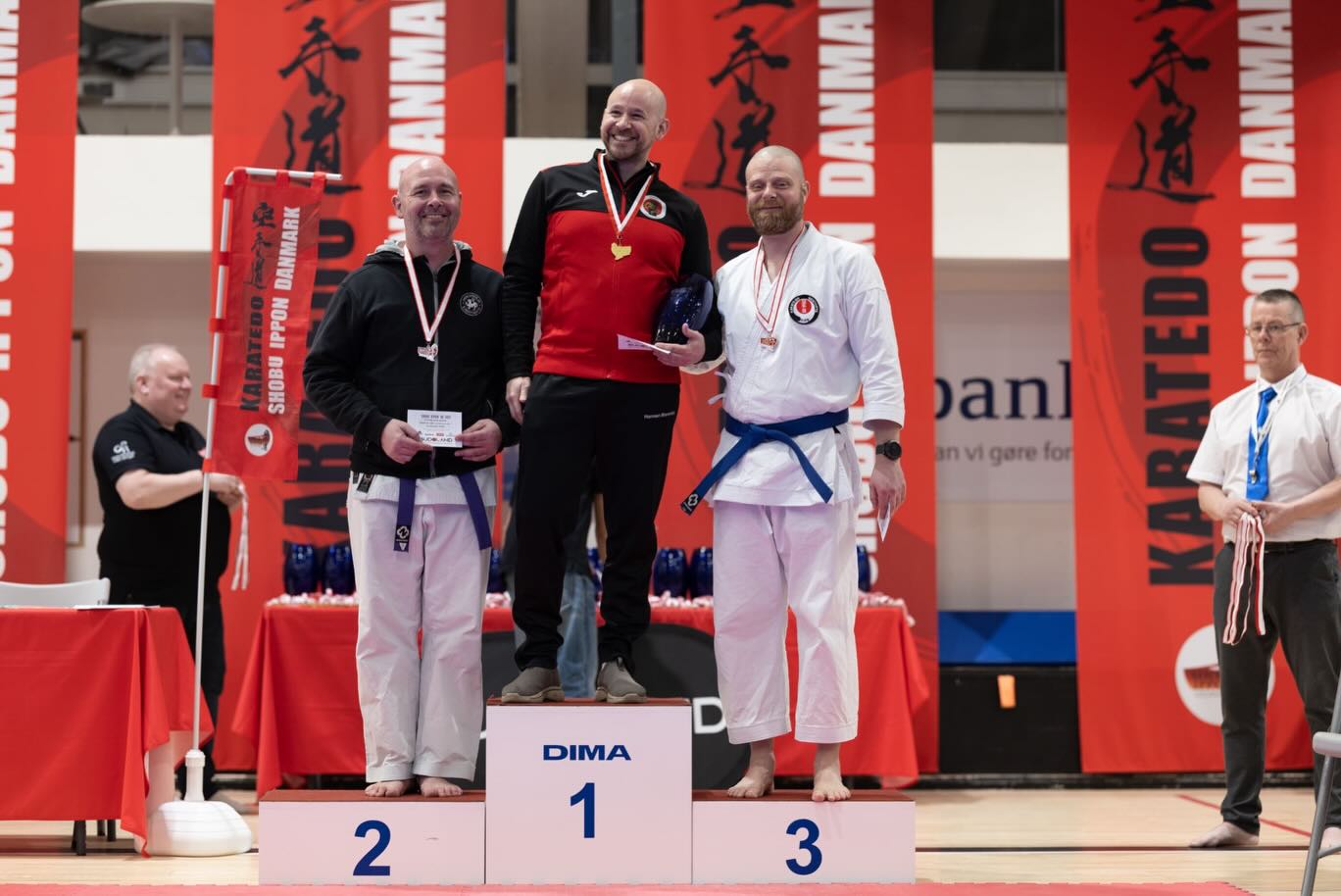
Hørsholmhallen was once again transformed into a living showcase of traditional karate on March 7, as Shobu Ippon 8 Danmark and Hørsholm Karate Club staged the 8th Shobu Ippon Tournament in Hørsholm, Denmark. The event had been announced well in advance through the organiser’s official channels and the tournament invitation, which confirmed the venue, the March 7 date, and the cooperation between Shobu Ippon Danmark and Hørsholm Karate Club.
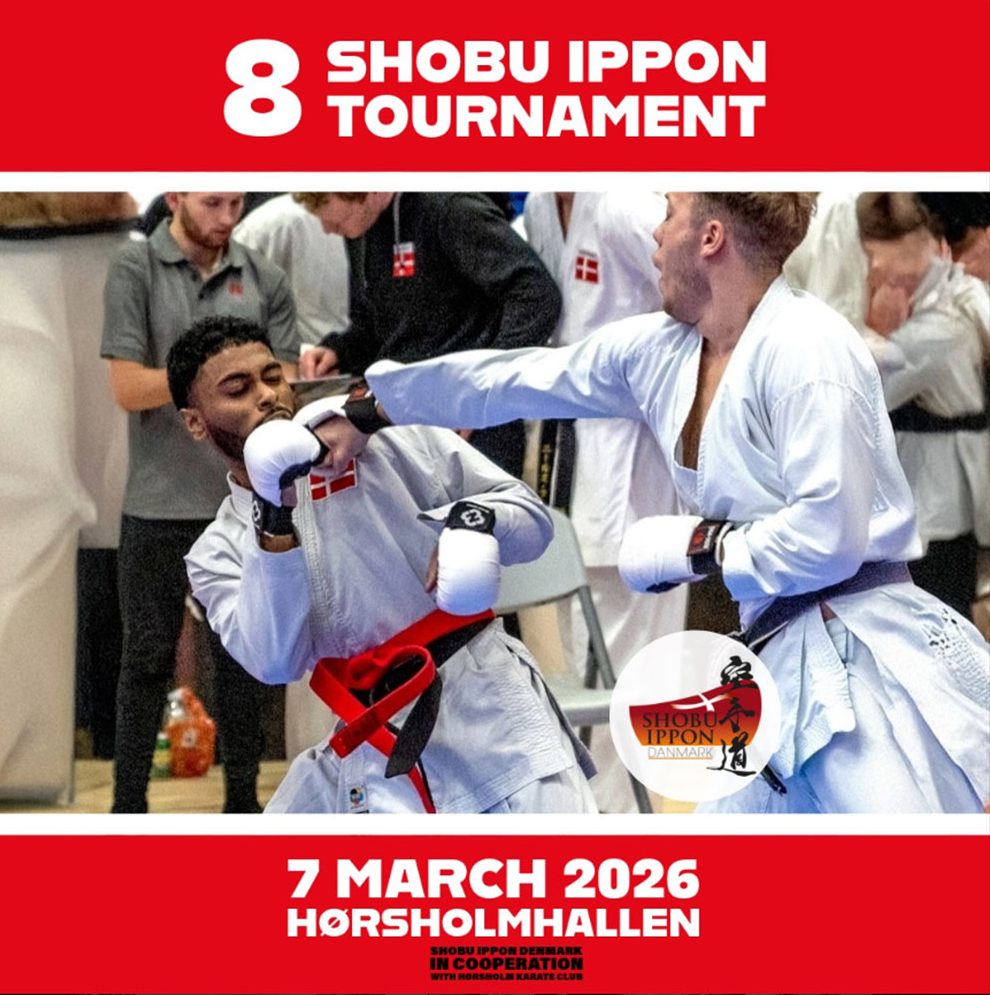
By the time competition got underway, the tournament had already built the kind of anticipation that only a healthy and expanding grassroots combat sports scene can generate. The official invitation showed a full programme structure, registration logistics and a broad category system that allowed children, cadets, juniors, seniors and veterans to compete across kata, kumite and team formats. That breadth matters. It tells us this was not a niche invitational or a closed in-house gathering, but a substantial traditional karate competition designed to serve development, ambition and community at the same time.
The organisers’ own post-event reporting described the atmosphere as electric, with Hørsholmhallen packed and buzzing with kiai, expectation and movement throughout the day. KarateNews also reported that Shobu Ippon Danmark welcomed nine new clubs into the wider community around the event, underlining that this tournament has become more than a single-day competition. It is increasingly functioning as a hub for traditional karate in Denmark and the Nordic region.
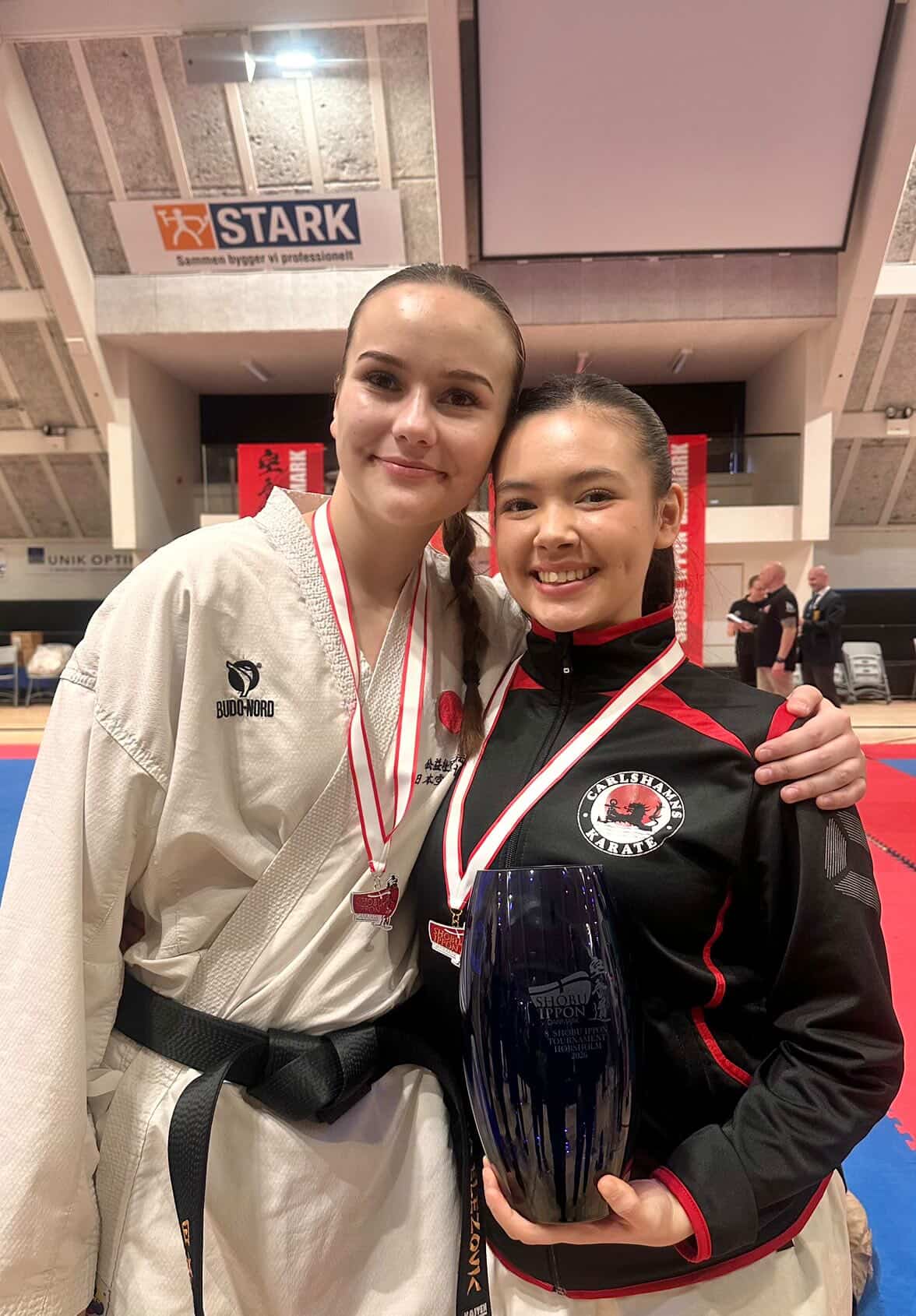
That development has not happened overnight. In 2024, KarateNews described the 6th Shobu Ippon Tournament as drawing nearly 500 participants from 37 clubs. In 2025, the 7th edition was reported to have reached 530 entries from Denmark and Sweden, marking a new milestone. Seen against that backdrop, the strong turnout and the talk of record club participation in 2026 fit a clear pattern: the tournament is growing in scale, recognition and regional relevance year by year.
A tournament built on traditional values
What gave the day its distinct identity was not only the number of categories or the packed schedule, but the values that framed the competition. According to KarateNews, Shobu Ippon Danmark president Jesper Fjeldgaard Andersen used his opening remarks to emphasise that while medals matter, the foundation of the tournament remains the traditional values of karate. Respect and proper conduct were highlighted as key principles, and the report noted that those ideals were visible across age groups and belt levels throughout the day.
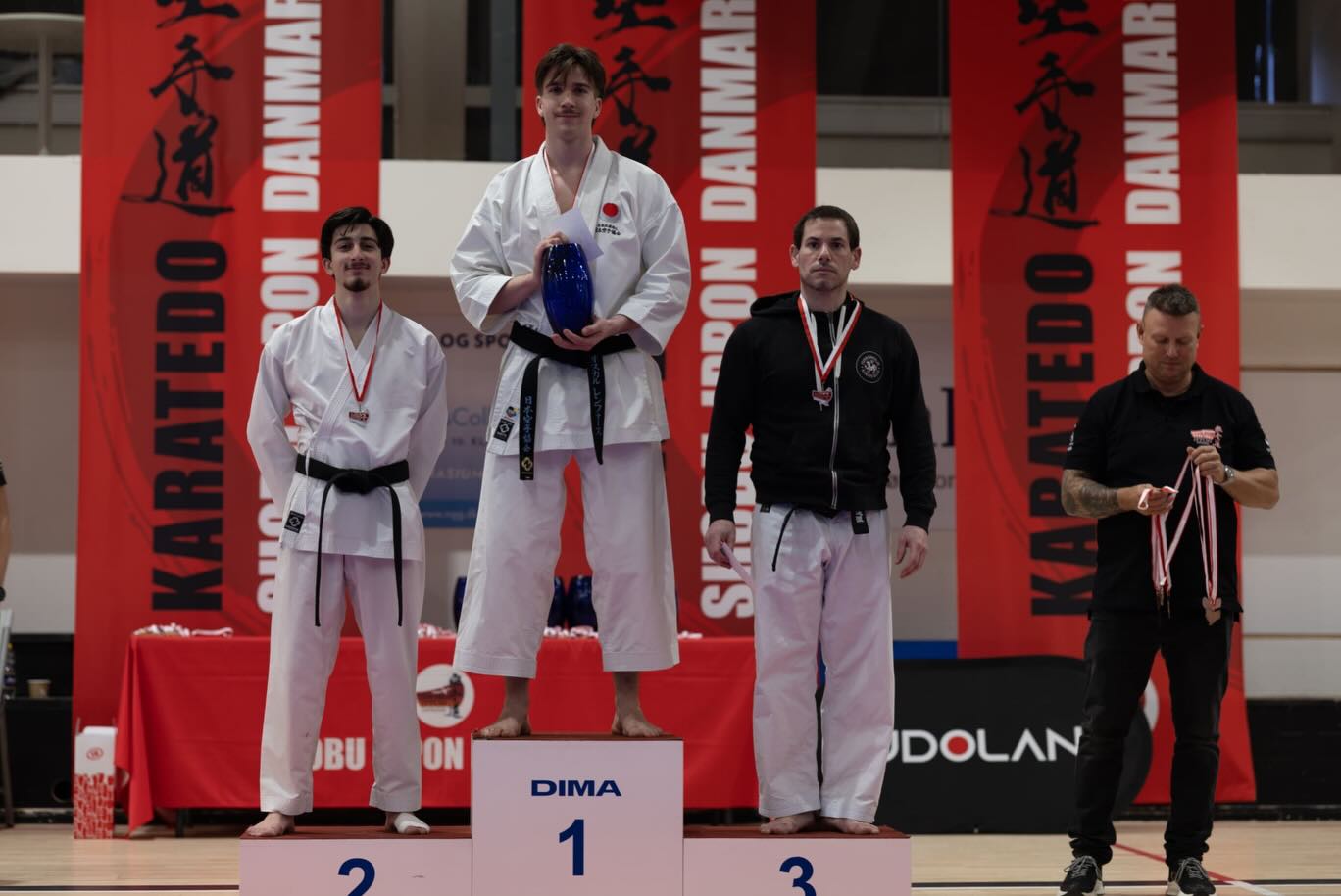
That traditional emphasis is one of the reasons the Shobu Ippon platform stands out. In an era when many martial arts events are driven almost entirely by spectacle, speed and volume, Shobu Ippon Danmark appears intent on maintaining a structure where etiquette, control and technical clarity matter just as much as winning. That balance was reflected in the competition offering itself: kata for precision and form, gohon kumite for structured basics and timing, and shobu ippon kumite for decisive, controlled fighting under traditional rules. The official invitation’s category design and age progression rules underline that this is a system with developmental logic, not just a bracket machine.
It is also significant that the event welcomed practitioners at very different stages of their karate journey. There were divisions for 10th to 4th kyu competitors, as well as advanced 3rd kyu to dan athletes. That mix created a rare kind of tournament environment: one in which beginners could experience the emotional reality of competition, while experienced fighters and kata specialists could test themselves in deeper, more demanding fields. For a sport culture trying to build continuity, that kind of layered structure is invaluable.
The young divisions stole much of the spotlight
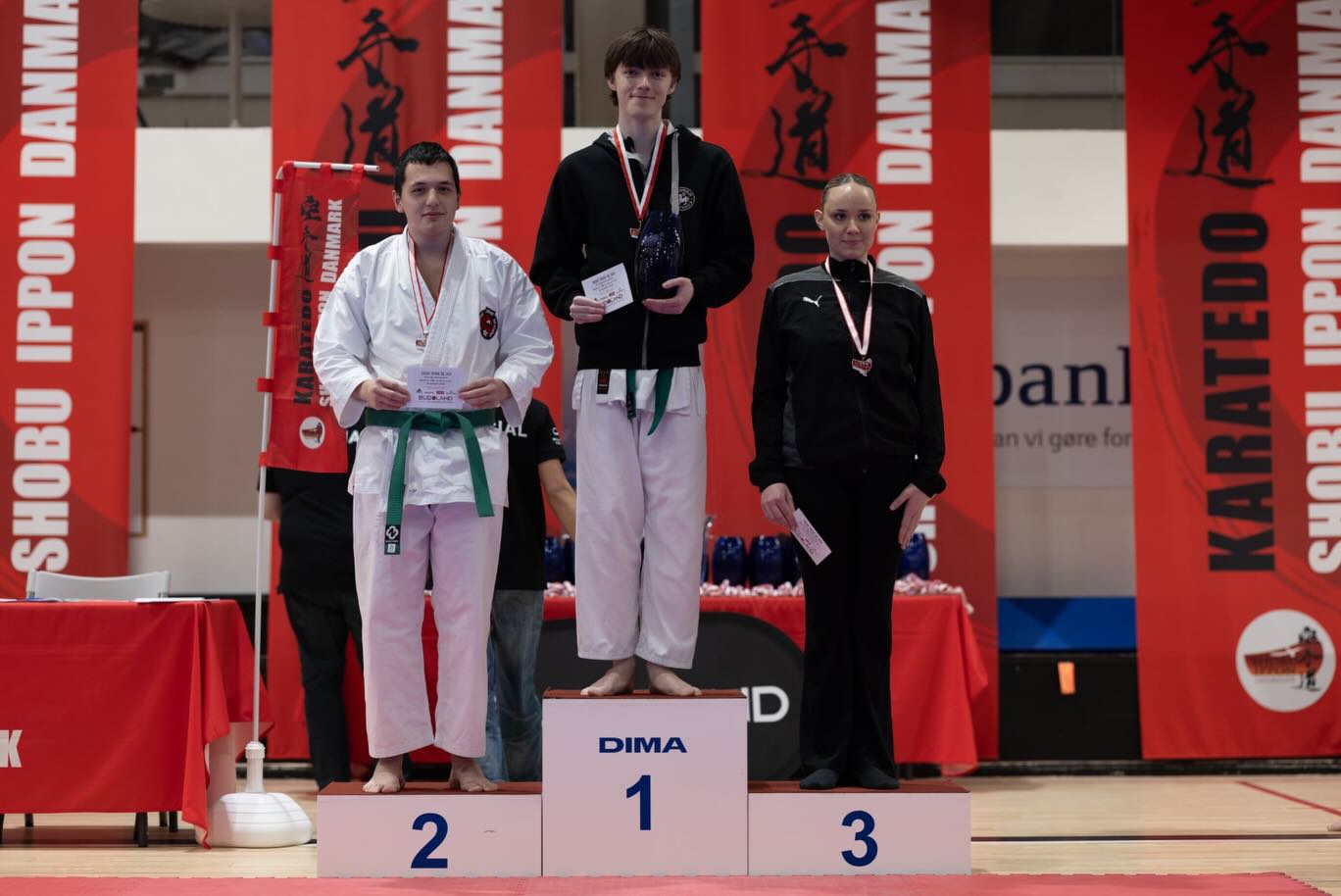
One of the clearest themes from the organisers’ report was the strength of the younger age groups. KarateNews wrote that several children’s and youth divisions were so large that they had to be run simultaneously on two areas. That is not just a logistical note. It is a sign of depth. It suggests that the future of traditional karate in this part of Europe is not resting on a few standout senior names alone, but on a widening base of committed young practitioners who are already learning how to perform under pressure.
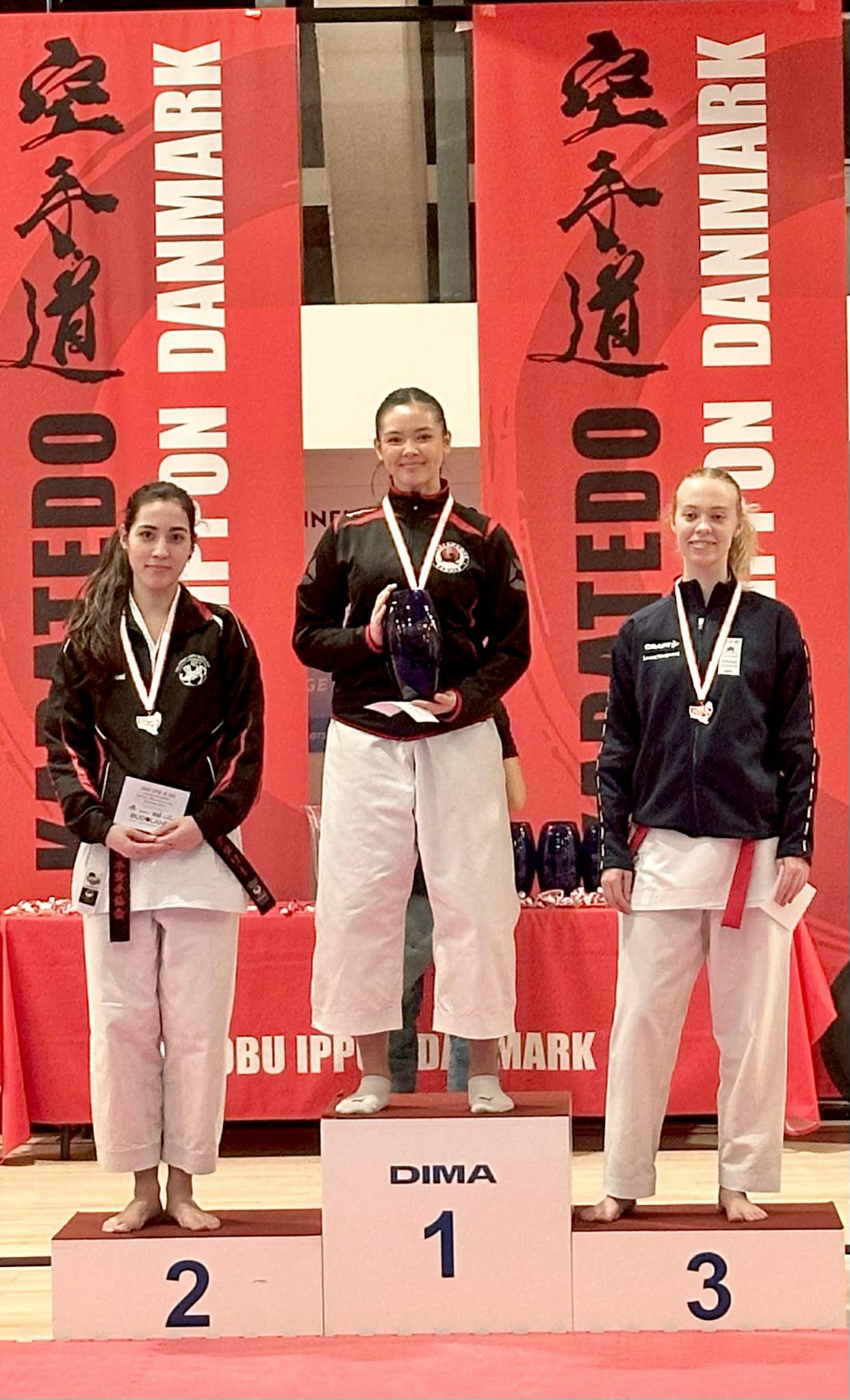
The results support that impression. In the 8–11 years kata 10th–4th kyu division, Taifu swept the podium through Christian Northern, Sixten Northern and Sima Barkal. In the 12–15 years kata 10th–4th kyu class, Arib Sheikh of Budokan Solrød took gold ahead of Enya Einarsson of Ystad and Christian Northern of Taifu. In the 8–11 years advanced kata class, Jayson Kristensen of Sedokan won gold, with Christine Wølck and Aksel Wied of Odense following in silver and bronze positions. These are exactly the kinds of names and club patterns that reveal where strong youth environments are being built.
The same could be seen in kumite. Jayson Kristensen doubled up by winning shobu ippon kumite in the 8–11 advanced class, while Hannah Hornshøj of Sedokan won both kata and shobu ippon kumite in the girls’ 14–15 advanced categories. Allerød also showed notable youth depth, with athletes such as Sylvester Ahrensburg, Vincent O. Samsøe, Thomas Karbo and Viggo Skovgaard all reaching the top step or the podium in key classes. Sedokan, Taifu, Hørsholm, Holbæk, Odense, GAK Enighet and Gribskov all appeared repeatedly in the youth medal positions, which points to a healthy spread of competitive development across clubs.
Officials, referees and the importance of control
Another major success factor was the officiating. Before the tournament, Shobu Ippon Danmark held a dedicated referee education session led by Milan Holck Nielsen sensei, specifically aimed at the 2026 Shobu Ippon Tournament. That kind of preparation is easy to overlook from the outside, but it is often one of the most important reasons why a large event runs safely and credibly.
KarateNews reported after the event that the referees were visibly well prepared and that particular attention was paid to contact level during the matches. That translated into a remarkably low injury count. The doctor’s report from the day listed no serious injuries, one sprained ankle and eight minor lip cuts or bleeds. For a tournament with a heavy schedule and many kumite bouts, that is a strong outcome and a reminder that safety in traditional karate is not accidental. It is usually the product of rules knowledge, referee positioning, athlete discipline and coaching culture working together.
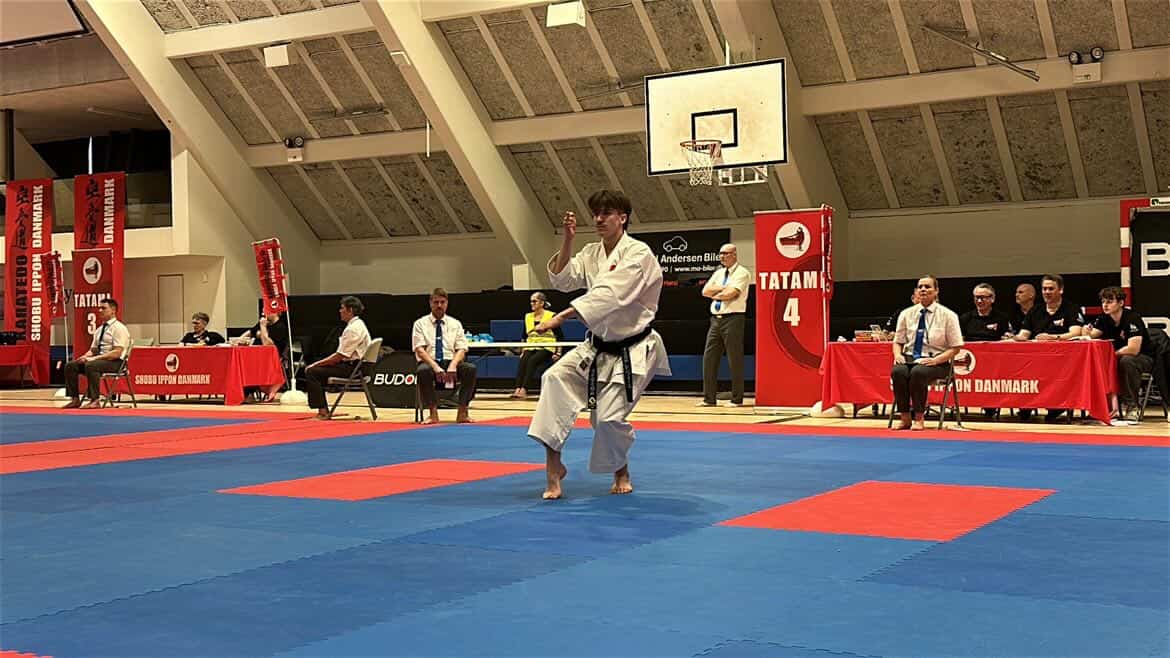
The volunteer effort was also acknowledged directly by Jesper Fjeldgaard Andersen, who thanked officials and volunteers for making it possible to stage a tournament of this size. That point deserves emphasis. Regional martial arts events do not function on prestige alone. They function because clubs build ecosystems of parents, coaches, scorekeepers, organisers, judges and photographers who all contribute to the finished experience. The continuity of Shobu Ippon Danmark’s event calendar suggests that this volunteer infrastructure is becoming one of its real strengths.
Senior standouts and strong club stories
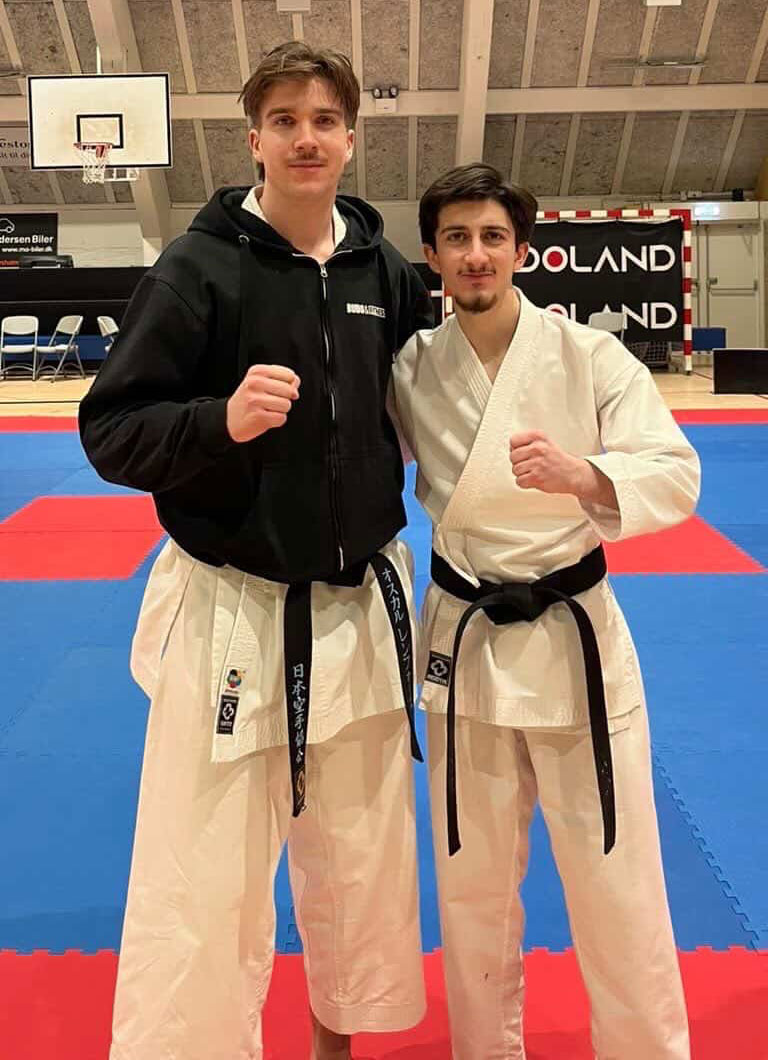
Among the senior and older advanced divisions, several performances stood out.
In men’s kata 21–34 years, Oscar Renfors of Fagersta took gold. Swedish local reporting described the event as an international competition featuring athletes from Sweden, Norway and Denmark, and noted that this was Renfors’ first tournament of the season. That matters because it frames his victory not merely as a domestic win abroad, but as an early-season statement in a quality field.
In kumite, Maksym Hortsev of Østerbro delivered one of the most impressive performances of the day. He won the men’s 18–20 shobu ippon kumite class and then also took gold in the men’s 21–34 division, a double that helped earn him the award for Best Male Fighter. On the women’s side, Lea Bernild of Allerød was named Best Female Fighter after winning girls’ 16–17 kata and also reaching the podium in 16–17 kumite. Those awards tell part of the story of the tournament: strong technical quality in kata, but also the kind of sharp, composed fighting that defines shobu ippon when it is performed well.
Allerød was one of the most visible clubs across the advanced categories. Vincent O. Samsøe won both boys’ 14–15 kata and boys’ 16–17 kata, while Mads Kold won men’s kata 35–44 and took silver in men’s kata 45–54. Thomas Jersbil claimed gold in both men’s kata 45–54 and men’s kata +55. Sofie W. Kampmann won women’s kata 21–34. Add in podium finishes in kumite and it becomes clear that Allerød combined youth promise with veteran continuity better than almost any other team present.
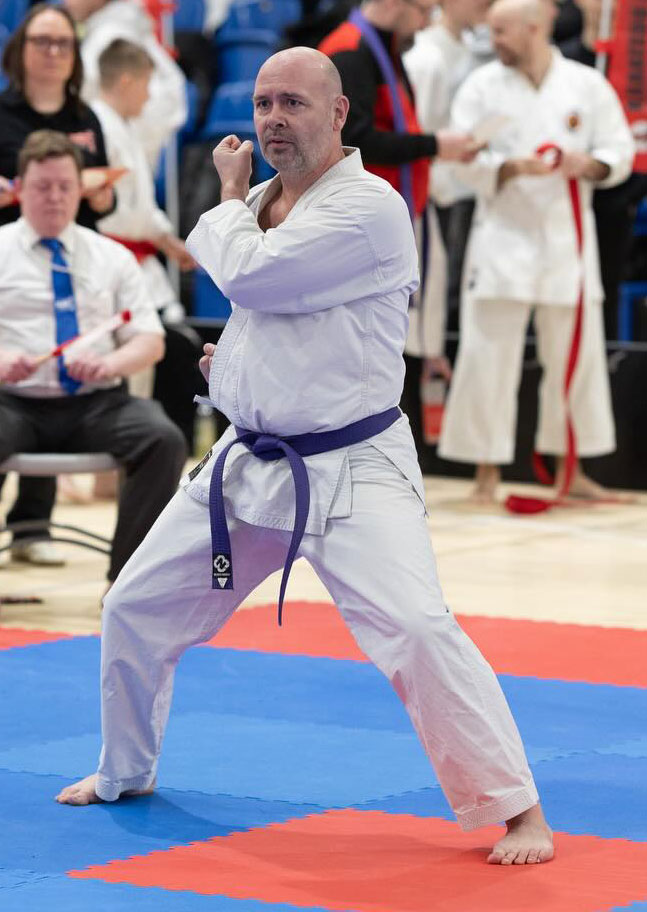
Sedokan also had an excellent day, led by Hannah Hornshøj and Jayson Kristensen, while Hørsholm Karate Club made its presence felt on home ground not only as co-host but as a highly competitive club. Hørsholm athletes reached the podium in novice kata, novice gohon kumite, advanced kata and veteran kumite classes. Budokan Solrød, meanwhile, showed serious kata strength through Arib Sheikh and Malene Kirkeby, the latter winning both women’s 45–54 and women’s +55 kata.
Swedish clubs also contributed strongly to the tournament’s profile. Ystad, Helsingborg, Lund, Carlshamn, Landskrona, Karlskrona and Fagersta all appeared in the results. That cross-border participation is important because it gives the event a Nordic competitive flavour while still preserving its identity as a traditional karate gathering. It also raises the standard for everyone involved: athletes meet unfamiliar opponents, referees face broader stylistic variation, and the event itself becomes more meaningful as a measuring stick.
Social media confirmed the event’s impact
The atmosphere described in written reports was reinforced by social media around the event. Instagram and Facebook snippets tied to Shobu Ippon Danmark and Hørsholm Karate Club highlighted action images, results summaries and the collaboration between the national organisation and the local host club. Social previews also referenced the release of draws and schedules before the event and result-sharing afterwards, helping turn the tournament into a shared experience beyond those physically inside the hall.
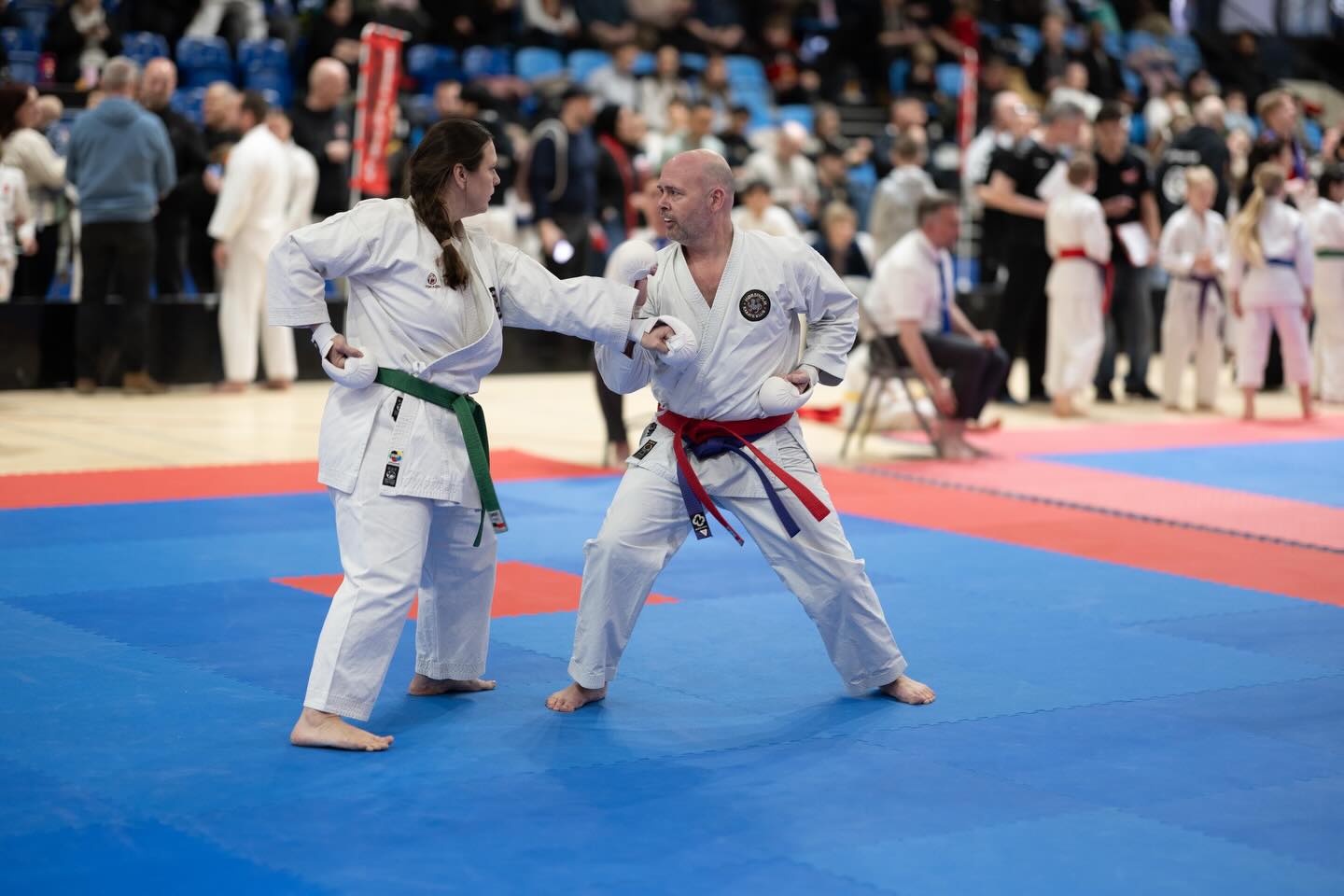
That matters for modern combat sports coverage. A tournament’s significance is no longer measured only by who won. It is also measured by whether clubs talk about it, whether athletes post about it, whether parents circulate the images, and whether organisers can build anticipation before the next edition. Shobu Ippon Danmark appears to understand this well. Its official website, event calendar, Facebook presence and affiliated KarateNews coverage all combine to create continuity from one competition to the next.
A stepping stone toward a bigger Nordic year
The 8th Shobu Ippon Tournament did not end as an isolated climax. KarateNews reported that Shobu Ippon Danmark already has more events planned for 2026, including a development tournament for beginners and another edition of the Øresund Kyu Cup. The organisation has also confirmed that Nordic Open 2026 will be held on September 19 in Oslo, hosted by JKA Norway in collaboration with JKA Sweden and Shobu Ippon Denmark.
That upcoming Nordic Open is an important part of the wider picture. Shobu Ippon Danmark is not only arranging local and national tournaments; it is participating in the architecture of a regional competitive network. Previous KarateNews coverage of Nordic Open 2024 and Øresund Kyu Cup 2025 emphasised volunteer professionalism, referee development and the strengthening of traditional karate community across borders. The 2026 tournament in Hørsholm now looks like another strong link in that chain.
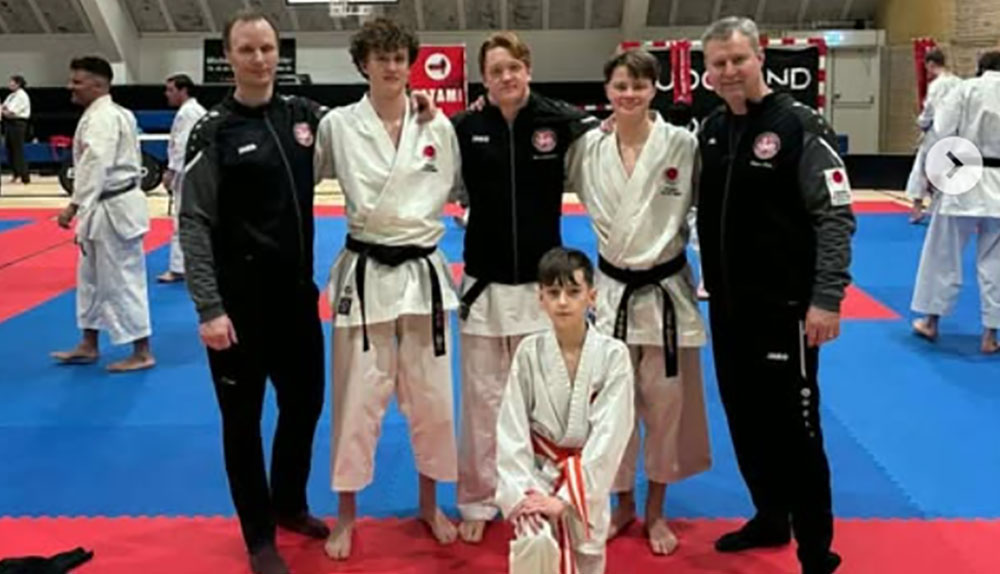
In practical terms, that means the March tournament served several purposes at once. It was a championship day for children trying competition for the first time. It was a proving ground for talented juniors. It was a stage for senior and veteran excellence. And it was also a rehearsal space, in the best sense, for the competitive standards, officiating quality and Nordic cooperation that will be needed later in the season.
More than a medal event
What made the 8th Shobu Ippon Tournament compelling was that it managed to feel both serious and inclusive. The organisers clearly wanted quality, order and high standards. But the reporting around the event also stressed openness, togetherness and room for athletes of different levels. That combination is not easy to achieve. Many events are either highly competitive but narrow, or welcoming but technically uneven. Shobu Ippon Tournament appears increasingly capable of being both.
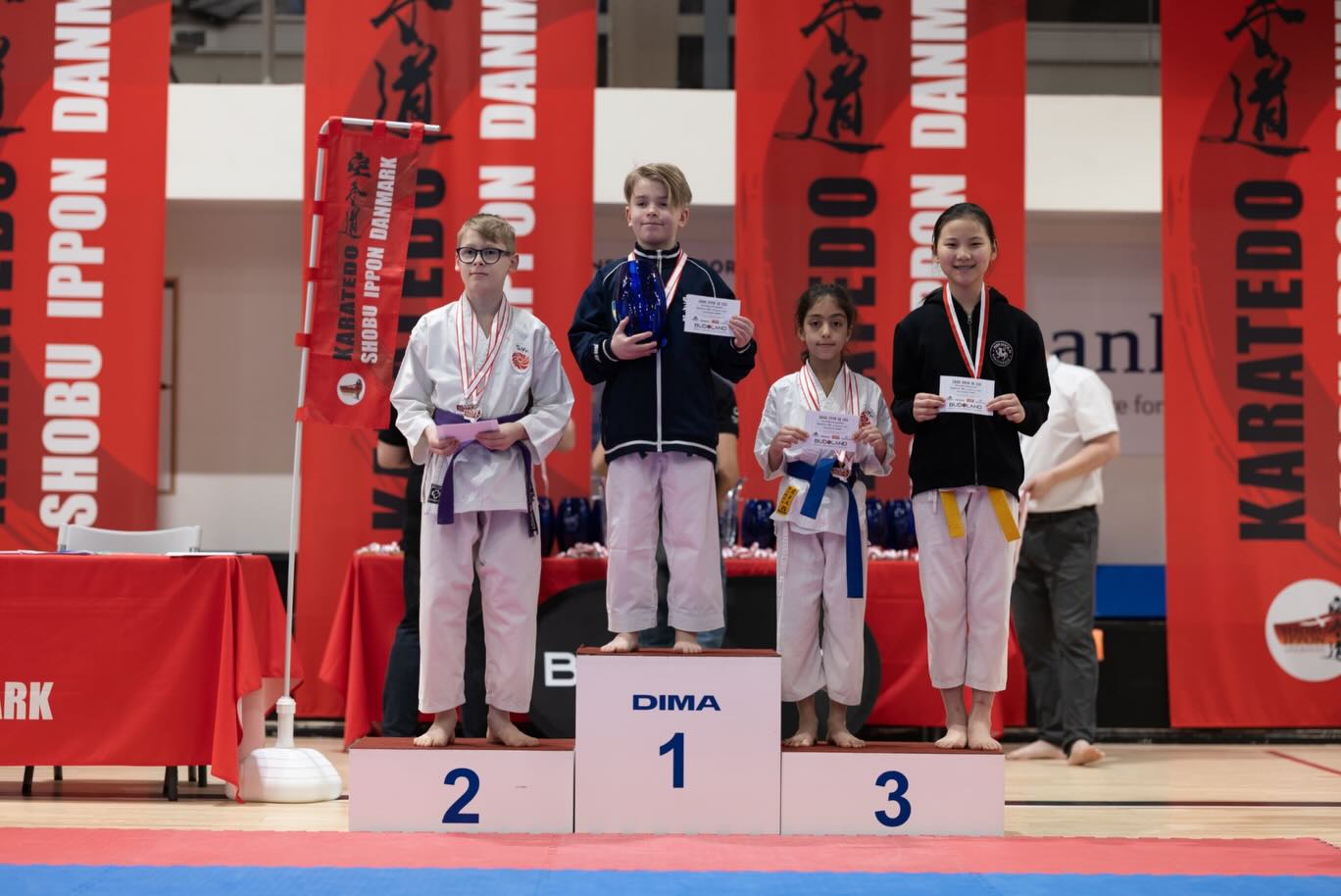
In the end, the image that remains is of a full hall, a loud but respectful crowd, children handling pressure on parallel tatami, senior fighters producing clean decisive performances, and referees keeping the entire day under calm control. It is also the image of an organisation that understands that traditional karate can still grow, provided it is presented with structure, seriousness and community spirit.
For Danish karate, and for the wider Nordic traditional scene, that may be the most important result of all.
Event snapshot
Event: 8th Shobu Ippon Tournament
Date: March 7, 2026
Venue: Hørsholmhallen, Hørsholm, Denmark
Organisers: Shobu Ippon Danmark in cooperation with Hørsholm Karate Club
Disciplines: Kata, gohon kumite, shobu ippon kumite, team kata
Level range: 10th kyu to dan
Key theme: Traditional karate values combined with a broad competitive structure
Safety and officiating
Chief referee preparation: Referee education session led by Milan Holck Nielsen sensei before the event
Medical report: No serious injuries, one sprained ankle, eight minor lip cuts/bleeds
Organisers’ emphasis: Strong control of contact level and well-prepared officials
Best fighters
Best Female Fighter: Lea Bernild, Allerød
Best Male Fighter: Maksym Hortsev, Østerbro
Selected gold medallists
Kata, men 21–34 (3rd kyu–dan): Oscar Renfors, Fagersta
Kata, women 21–34 (3rd kyu–dan): Sofie W. Kampmann, Allerød
Kata, women 35–44 (3rd kyu–dan): Anne-Sofie Nielsen, Hørsholm
Kata, men 35–44 (3rd kyu–dan): Mads Kold, Allerød
Shobu ippon kumite, men 18–20: Maksym Hortsev, Østerbro
Shobu ippon kumite, men 21–34: Maksym Hortsev, Østerbro
Shobu ippon kumite, women 21–34: Mia Bruun, Århus
Shobu ippon kumite, women 35+: Chalam Singthong, Gribskov
Youth names to note
Jayson Kristensen, Sedokan: Gold in advanced kata 8–11 and shobu ippon kumite 8–11
Hannah Hornshøj, Sedokan: Gold in kata girls 14–15 and shobu ippon kumite girls 14–15
Vincent O. Samsøe, Allerød: Gold in kata boys 14–15 and boys 16–17
Viggo Skovgaard, Allerød: Gold in shobu ippon kumite boys 12–13
What comes next
More 2026 events from Shobu Ippon Danmark: A beginner development event and Øresund Kyu Cup
Nordic Open 2026: September 19 in Oslo, Norway
Host: JKA Norway in collaboration with JKA Sweden and Shobu Ippon Denmark
Det 8. Shobu Ippon Tournament bød på masser af kampgejst | Karatenews
Shobu Ippon Karate Denmark’s Øresund Kyu Cup 2025 Community
Nordic Open Shobu Ippon 2025 tradition och gemenskap i Ystad
The story about Shobu Ippon Denmark | KAMPSPORTNEWS
Visa detta inlägg på Instagram
Visa detta inlägg på Instagram
Visa detta inlägg på Instagram
Visa detta inlägg på Instagram
Comment