


From February 21–24, 2026, the city of Odense once again became a Nordic hub for elite and developing judoka as the Danish Open Judo 2026 unfolded at the impressive SJF Arena. Organised by Judo Danmark, the event combined two days of high-level competition with an international training camp, creating a four-day celebration of European judo.
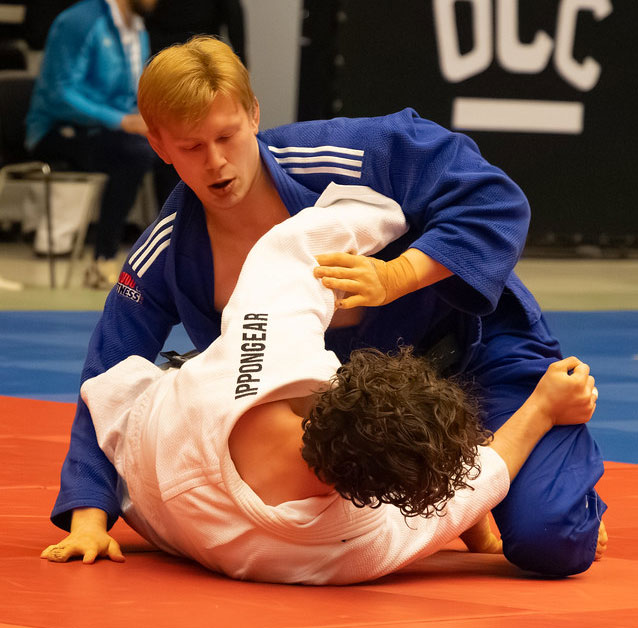
With categories spanning U15, U18, U21 and Seniors – as well as Mixed Teams – the Danish Open once again proved why it is considered one of Scandinavia’s premier international tournaments. Athletes from across Europe travelled to Denmark not only to compete for medals, but to test themselves against diverse fighting styles and gain valuable ranking points and experience early in the 2026 season.
The participants is not just from Europe, they actually come from all over the world such as Canada and even USA. The competition have now been given the great permission to call it Matsumae every year from now on, which means that there will also be Japanese fighters at the upcomming events. The date for next Matsumae is now set to 27 and 28 February and the camp 1 and 2 March 2027 and they expect to welcome many more than the 1000 participants.
Cup & Camp – A Complete Judo Experience
The format followed the increasingly popular “Cup & Camp” structure:
-
Tournament: February 21–22
-
Training Camp: February 23–24
Registration and brackets were managed through Smoothcomp, ensuring smooth logistics and efficient match flow throughout the weekend.
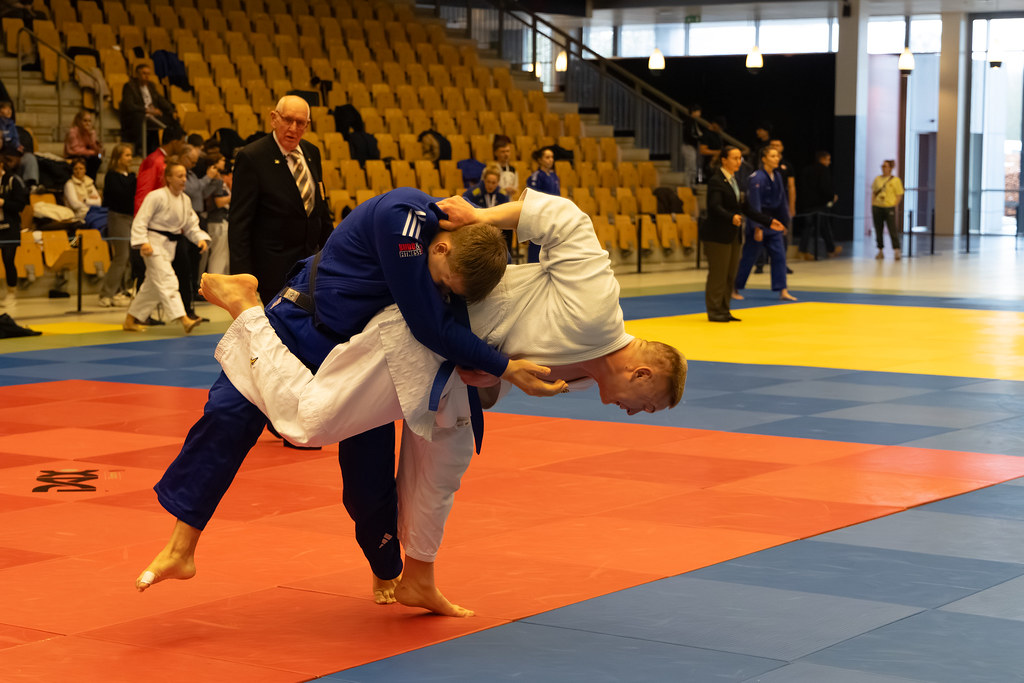
The competition days were intense. Multiple tatamis filled the arena floor, with cadets battling in the morning sessions, followed by juniors and seniors in the afternoon. The atmosphere was electric: coaches shouting tactical cues, teammates drumming on the advertising boards, and referees maintaining the precision and discipline that define international judo.
But what truly elevates Danish Open is the training camp that follows. After medals are awarded, rivalries are set aside. Judoka who faced each other in fierce contests the day before now grip up again – this time as training partners. Randori sessions brought together athletes from different countries, creating invaluable exchanges of technique, rhythm and strategy.
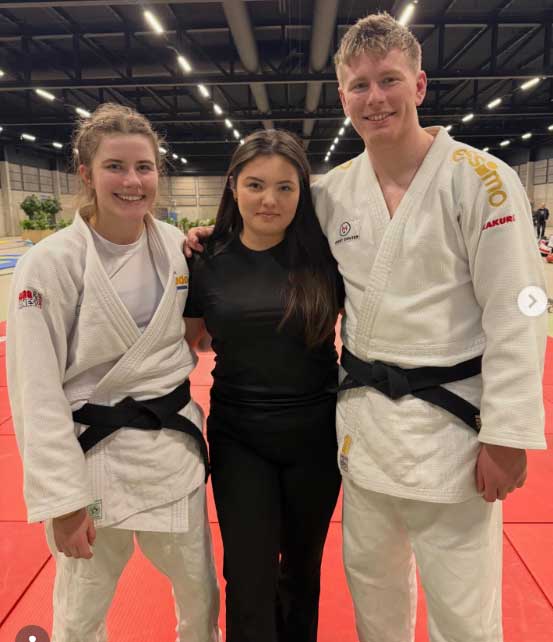
Strong Nordic Presence – Sweden Shines
Among the visiting delegations, Sweden fielded a strong and visible team presence. Clubs across the country used the Danish Open as a key international checkpoint early in the year.
One standout Swedish club was Landvetter Judoklubb, whose athletes delivered impressive performances across several age categories.
Landvetter Judoklubb – Medal Success and Team Spirit
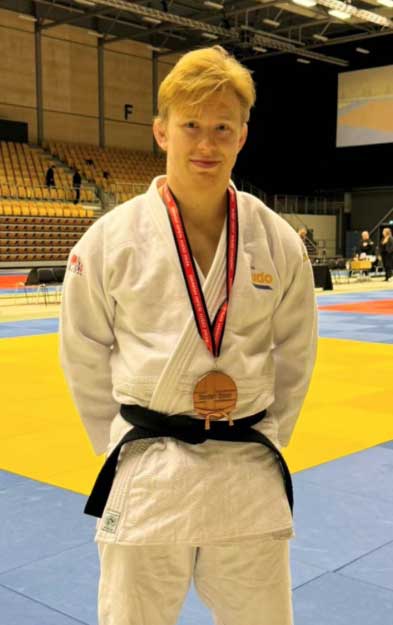
Day One saw Hugo secure a bronze medal in the Senior division, setting the tone for the weekend. Competing against experienced international opponents, Hugo demonstrated tactical patience and sharp transitions on the ground to climb onto the podium.
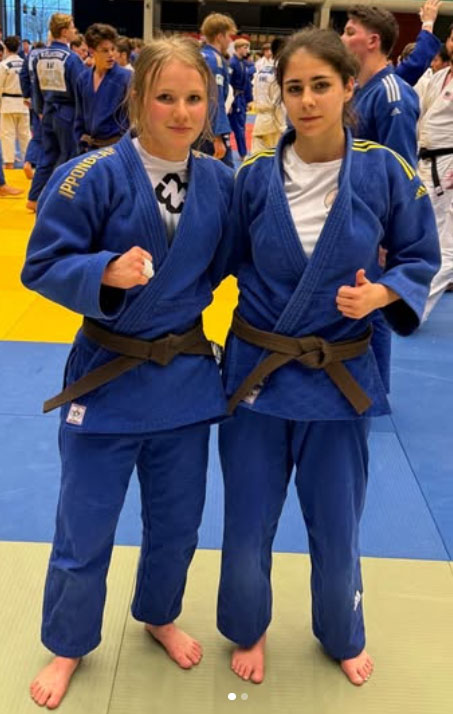
Alma placed fifth in the Cadet division on the opening day, narrowly missing out on bronze after a strong elimination run. Filip also fought to a fifth-place finish in Seniors, while Melina and Vincent showcased solid technique despite falling short of medal contention.
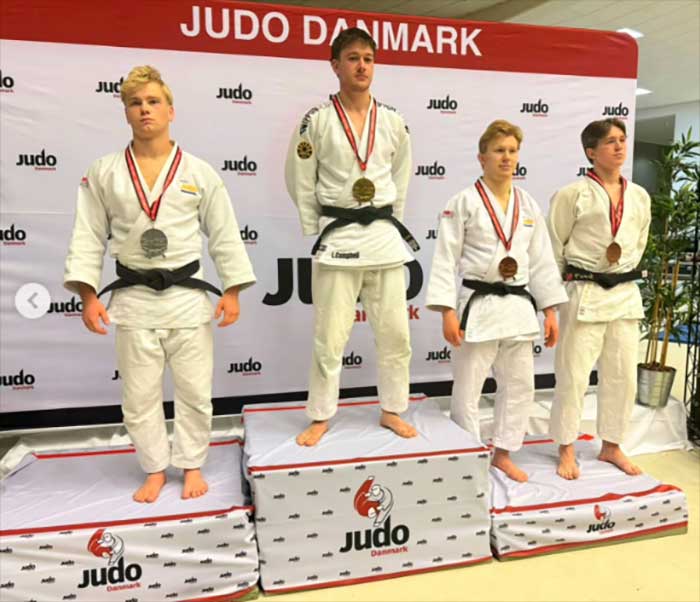
On Day Two, Landvetter’s medal tally grew:
-
Alma captured silver in U21 (Junior) and also placed fifth in U18 (Cadet).
-
Teodor earned bronze in U15 (Juvenile).
-
Hugo added another bronze in Seniors, confirming his consistency.
-
Liam finished fourth in U15.
-
Filip placed fifth in Seniors and also competed in U21.
Coaches Robert and Wilda guided the athletes throughout the weekend, while a strong parental and support network helped create the family atmosphere that Landvetter is known for. The club’s reflections on social media highlighted not only sporting achievements but also the camaraderie and character development that international tournaments foster.
Their public congratulations to Judo Danmark for a “very well executed event” echoed sentiments shared by many visiting teams.
High-Level Competition Across Divisions
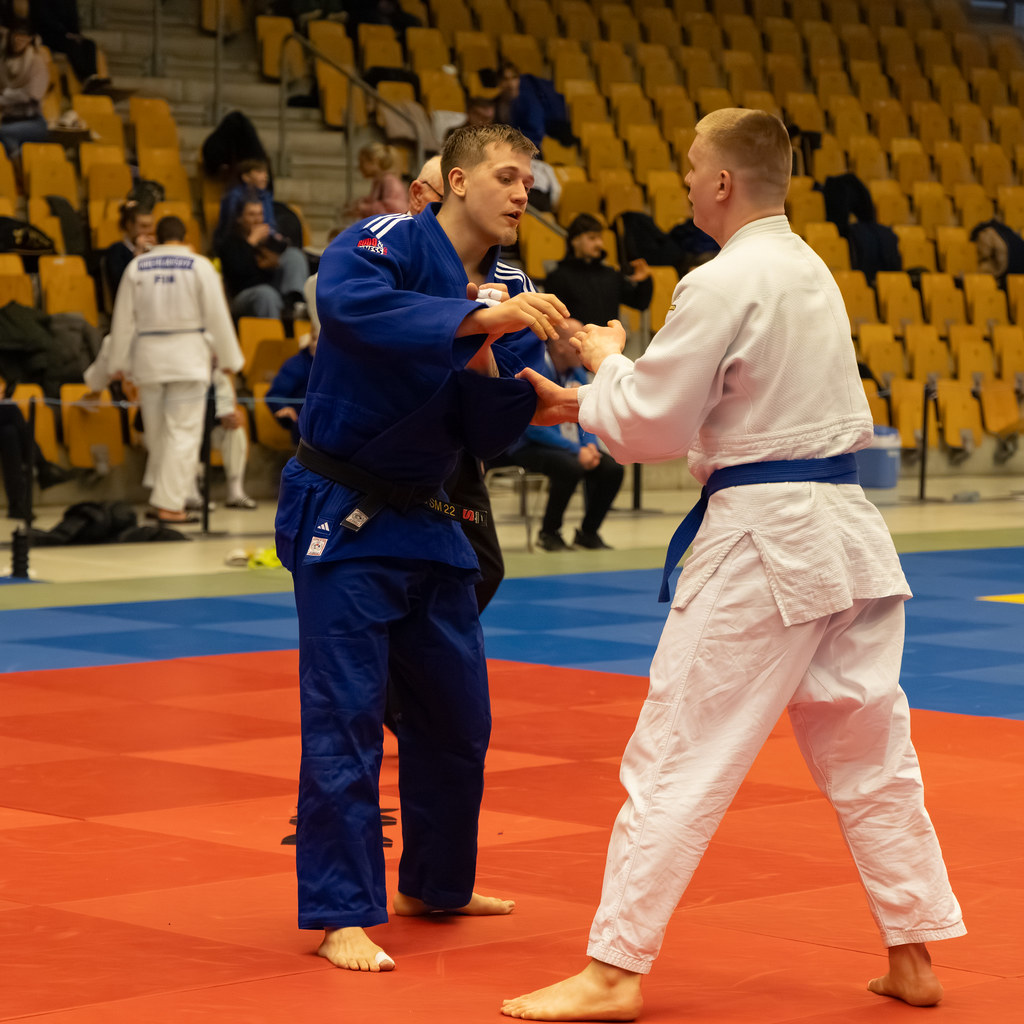
While Nordic clubs were well represented, the Danish Open also attracted competitors from Central and Eastern Europe, regions known for their depth in judo. The Senior categories were particularly competitive, with dynamic tachiwaza exchanges and tactical ne-waza battles reflecting modern IJF trends.
In the U18 and U21 divisions, the technical level continues to rise year by year. Grip fighting sequences were decisive, with many matches determined by small margins – a single waza-ari, a perfectly timed counter, or penalties accumulated through strategic pressure.
The Mixed Team event added another dimension to the competition. Team judo, with its collective strategy and emotional swings, provided some of the weekend’s most dramatic moments. Athletes who had competed individually now carried not only their own ambitions but the responsibility of their teammates.
The Venue – A Stage Worthy of International Judo
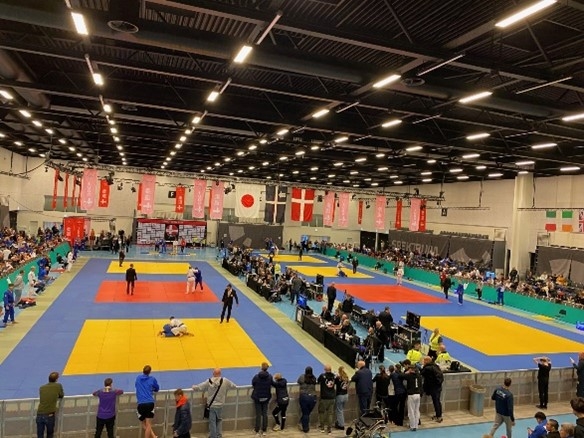 The SJF Arena once again proved an excellent host venue. Spacious seating, clear visibility of the tatamis, and professional lighting created an arena environment that elevated the athletes’ performances.
Odense itself, known as the birthplace of Hans Christian Andersen, offered visiting teams a welcoming Danish backdrop. Between weigh-ins and competition blocks, athletes and coaches could be seen strolling through the city centre, sharing meals and building international friendships.
More Than Medals – Development and Community
One of the defining characteristics of the Danish Open is its dual focus: elite performance and grassroots development. U15 athletes gain their first taste of large-scale international tournaments, while seniors fine-tune competition sharpness ahead of continental and world events later in the season.
The training camp days are particularly valuable for this progression. Young athletes have the opportunity to spar with older, stronger opponents under controlled supervision. Seniors benefit from varied gripping styles and tactical approaches that may differ from what they encounter domestically.
This environment fosters technical growth, resilience, and international awareness – essential components for long-term success in judo.
A Key Stop in the 2026 Season
Placed early in the calendar, Danish Open serves as a momentum builder. For juniors aiming at European Cups and Championships, it provides critical match practice. For seniors, it offers a platform to evaluate conditioning and tactical adjustments after winter training blocks.
Clubs also use the event as a team-building opportunity. Travelling together, supporting each other matside, and analysing matches collectively strengthen bonds that last throughout the competitive year.
Looking Ahead
As the tatamis were rolled up and delegations departed Odense, the consensus was clear: Danish Open Judo 2026 delivered on all fronts. High-quality organisation, strong international participation, and an atmosphere combining intensity with camaraderie reinforced the tournament’s growing reputation.
For athletes like those from Landvetter Judoklubb and many others across Scandinavia, the weekend provided both podium finishes and invaluable lessons.
With its Cup & Camp concept, professional execution by Judo Danmark, and the welcoming setting of Odense, Danish Open continues to position itself as a cornerstone event in the Nordic judo calendar.
The message echoed across social media as teams returned home:
See you on the tatami next year.
Internationella framgångar för Judo Club Sundsvall – Sundsvalls Tidning
Klubbnytt: Aktiv Judo glänste på stortävling » Norra Halland – Kungsbackas största tidning
Danish Open & Camp 2026 – Smoothcomp
Danish Open Judo Competition & Camp | Facebook
Danish Judo Championships 2025 – a national judo celebration
Aktiv Judo – Aktivt Guld 🥇 till Vincent 👏🥋🇸🇪 på Danish Open | Facebook
Aktiv Judo – Aktivt Brons 🥉till Andrea på Danish Open 🥋🇸🇪 | Facebook

Visa detta inlägg på Instagram
Visa detta inlägg på Instagram
Visa detta inlägg på Instagram
Visa detta inlägg på Instagram
Visa detta inlägg på Instagram
Visa detta inlägg på Instagram
Visa detta inlägg på Instagram
Visa detta inlägg på Instagram