


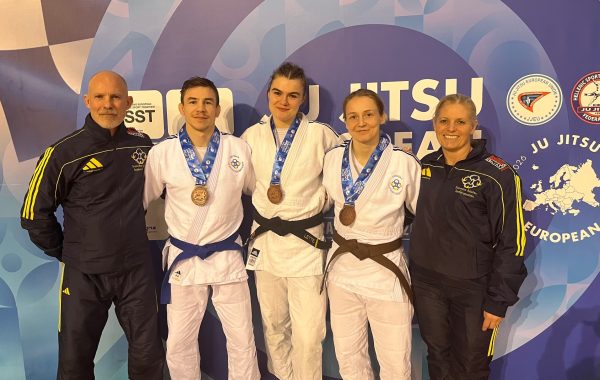
When the 2026 Jujutsu European Championships arrived in Heraklion, Crete, Sweden travelled south with a large squad, high expectations and a growing sense that this could be a special week. The national federation had announced a delegation of more than 30 people, and the final preparations at Nacka Dojo in Stockholm had reportedly been full of energy, sharp techniques and strong sparring. Coaches felt the team was ready to fight for medals. By the time the championships were over, that confidence had been fully justified. Sweden left Crete with 14 medals across senior, junior, para and team competition, making the event one of the most successful recent European campaigns for the country.
The feeling around the Swedish team before the tournament was not simply optimistic; it was grounded in proven pedigree. Emma Lette came into the championships as one of the country’s marquee names, while Astrid Schölin arrived with a reputation as one of Sweden’s most reliable international performers. At the same time, a broad supporting cast gave the squad unusual depth: established senior medal contenders, talented juniors stepping into tougher company, and a para team with genuine podium potential. In Swedish pre-event coverage, the squad was even described as possibly the best national jujutsu team seen “on paper” in many years. That was a bold claim, but Heraklion offered plenty of evidence to support it.
A promising start in U21
Sweden’s week began in the Under-21 category, where three athletes represented the country: Albin Högbom, Wille Wendt and Kimon Christoforidis Johansson. The medal breakthrough did not come immediately, but the opening day still showed the level Sweden had brought to Crete.
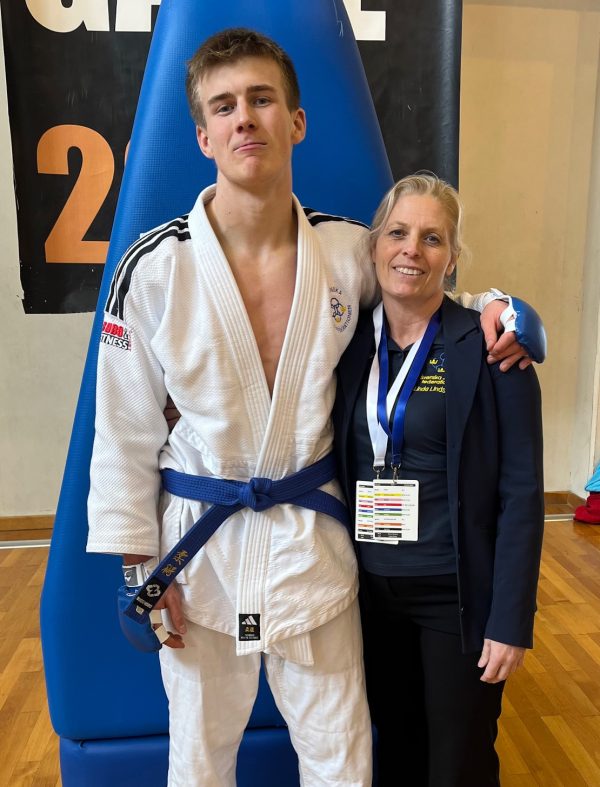
Albin Högbom started in impressive fashion, winning his first contest by full ippon. He was then stopped in the next round and later in repechage, but his opening performance gave an early indication that the Swedes were arriving ready to attack. Kimon Christoforidis Johansson also opened with a win and battled his way into the bronze-medal pathway. After losing a close second bout on ippon count, he came back strongly in repechage, won two more matches and reached the bronze match. There, in one of the day’s most dramatic moments, he narrowly missed the podium after a late coach’s challenge in the closing seconds helped swing the result the other way. He finished fifth. Wille Wendt’s day followed a similar arc. He looked excellent early, winning his first two contests by full ippon, before later losing and then ending up fifth after defeat in the bronze-medal match.
No medal arrived on that first day, but the broader verdict from the Swedish camp was still positive. Coaches Linda Lindström and Nico Christoforidis stressed that all three athletes had shown they belonged at U21 level. That mattered. In multi-day championships, a nation’s overall strength is often measured not only in podium finishes but also in how many athletes are competitive deep into brackets. Sweden had started the week without a medal, but not without momentum.
Three senior bronzes put Sweden on the board
The adult fighting competition changed the shape of Sweden’s championship. On March 16, the Swedish team sent out Livia Högbom, Johannes Bolander, Alicia Johansson, Emma Lette, Klara Mattsson and Oskar Jaskari. By the end of the day, Sweden had three bronze medals and a much stronger foothold in the championship narrative.
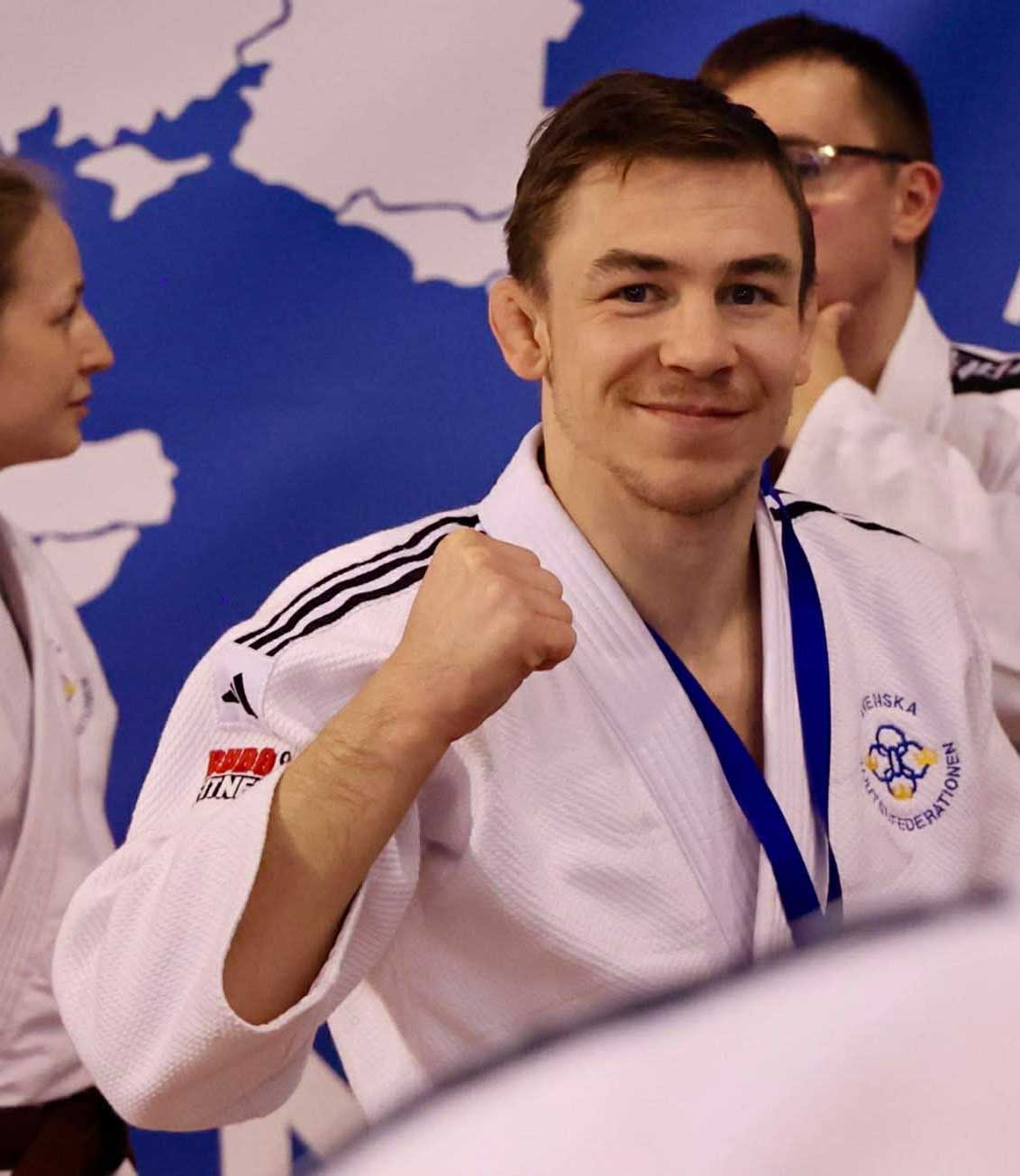
The standout medal runs came from Oskar Jaskari, Klara Mattsson and Emma Lette, though each reached the podium by a different route. Jaskari and Mattsson both opened superbly, winning their first two bouts by full ippon and advancing to the semifinals. There, both were stopped in narrow contests, forcing a mental reset before the bronze-medal bouts. Each responded exactly as top-level athletes must. Jaskari bounced back to secure bronze, and Mattsson did the same, winning her bronze match by full ippon after a complicated semifinal marked by multiple warnings.
Lette’s route was even more dramatic. One of Sweden’s headline athletes heading into the championships, she had spoken before the event about returning to the -70 kg class for the first time in two years and about feeling physically sharp again in what she considered her natural division. But her opening bout did not follow the script. In a strange and eventful contest against Greece’s Varvara Agapitou, Lette accumulated warnings and was disqualified. Gold was gone immediately. Many athletes would have struggled to recover from that kind of setback, but Lette instead produced one of Sweden’s most impressive resilience stories of the week. She fought her way through repechage, defeated teammate Alicia Johansson along the way, and finished with a full-ippon win in the bronze-medal bout.
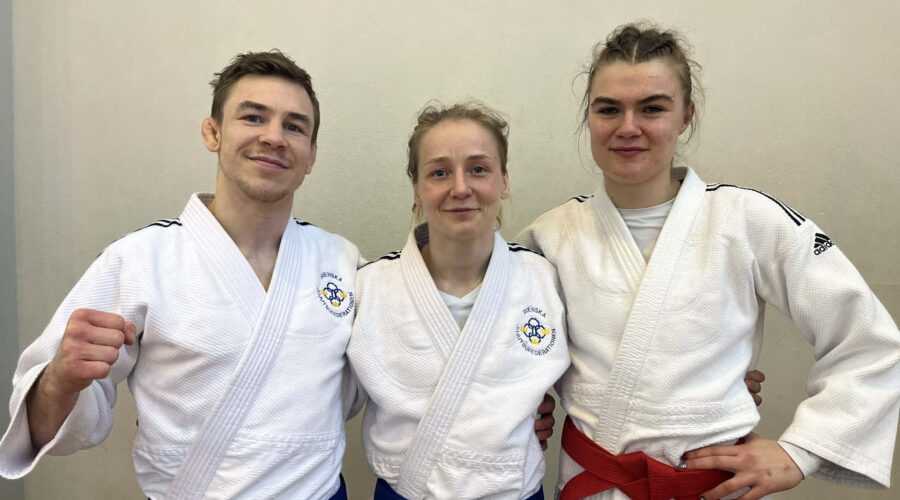
Those three bronzes mattered for more than just the medal tally. They showed the range of Sweden’s senior team. Jaskari showed clean attacking form. Mattsson handled adversity and stayed composed. Lette demonstrated the kind of mental toughness that separates contenders from champions. Even for the Swedes who did not medal that day, the margins suggested a team competing in earnest rather than simply participating.
Astrid Schölin delivers gold
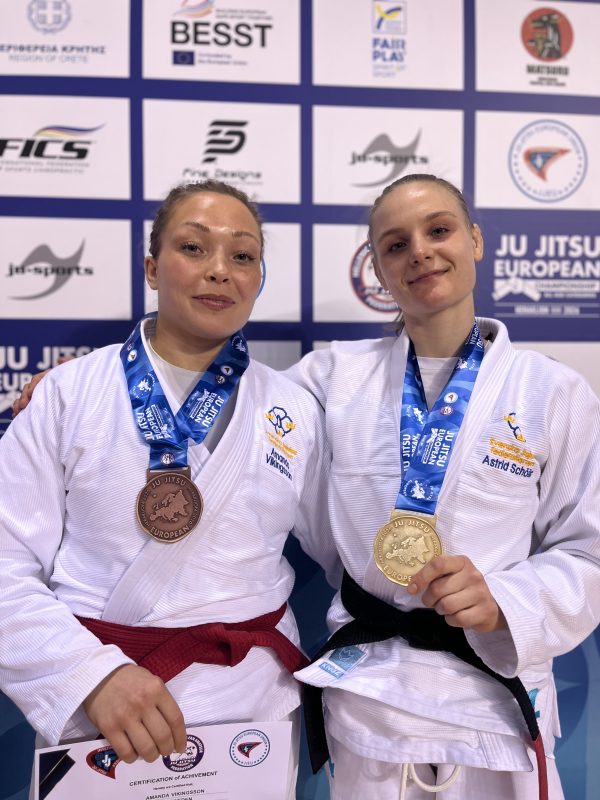
If day one of the adult programme established Sweden, day two elevated the entire campaign. On March 17, the schedule combined continued fighting with the start of newaza, and Sweden fielded Toni Beljo, Kevin Christoforidis Johansson and Linnea Woxenius in fighting, alongside Astrid Schölin, Amanda Vikingsson, Cristal Hernandez Gutierrez and Simon Immerstrand in newaza. The biggest moment of the day belonged to Schölin.
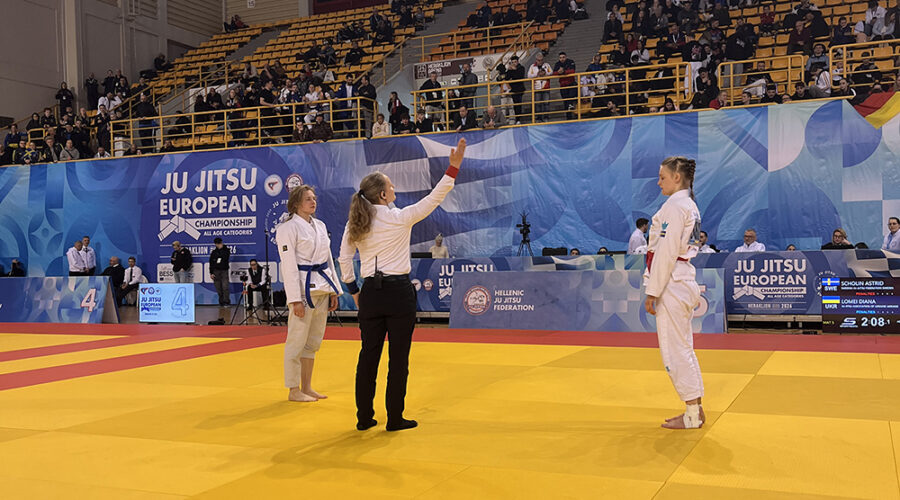
Schölin moved through the tournament with the kind of clarity elite competitors aim for but rarely achieve across an entire day. Swedish reports described her run as flawless, and the final itself underlined why. Against Ukraine’s Diana Lomei, Schölin immediately took control and, just over two minutes into the match, finished the contest with an americana armlock. The submission secured European gold and gave Sweden its first title of the championships.
The gold fit neatly into Schölin’s pre-event story. In the build-up, she had spoken openly about a tougher mental period, about the need to find balance again, and about deliberately skipping some competitions so she could arrive at the European Championships fresher and more motivated. In Heraklion, that strategy looked fully vindicated. She appeared composed, efficient and completely assured in her timing. For Sweden, her title was both a medal and a statement: the team did not only have depth, it had champions capable of taking over a major bracket.
Amanda Vikingsson added another podium finish in newaza, though her route was harder. She lost her opening contest to a French athlete who later won the class, but came back strongly in repechage to secure bronze. Sweden also had three painful near-misses on the same day, with Simon Immerstrand, Cristal Hernandez Gutierrez and Linnea Woxenius all reaching bronze-medal contests before ultimately finishing fifth. The overall picture, however, remained positive. Sweden had added both gold and bronze, while still placing more athletes in medal-deciding matches.
Para success and team bronze on a huge day for Sweden
March 18 became Sweden’s richest day of the tournament. The programme turned to para and team competition, and the Swedish camp responded with a flood of medals. By the end of the day, seven new Swedish podium finishes had been added to the total.
In the women’s para class c, Sweden was guaranteed two medals because teammates Jenny Öster Hall and Ida Björnritz faced one another. Öster Hall emerged victorious to win gold, while Björnritz took silver. In the men’s class c, Elias Wihrén won gold after two strong matches. Roland Andersson-Jensen claimed bronze in class k, and both Wihrén and Andersson-Jensen also added bronzes in the open men’s class. It was a superb para showing and another reminder that Sweden’s strength on Crete extended well beyond the most talked-about senior fighting categories.
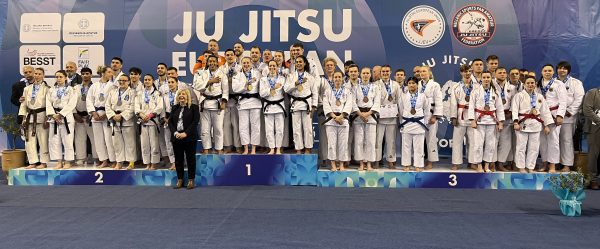
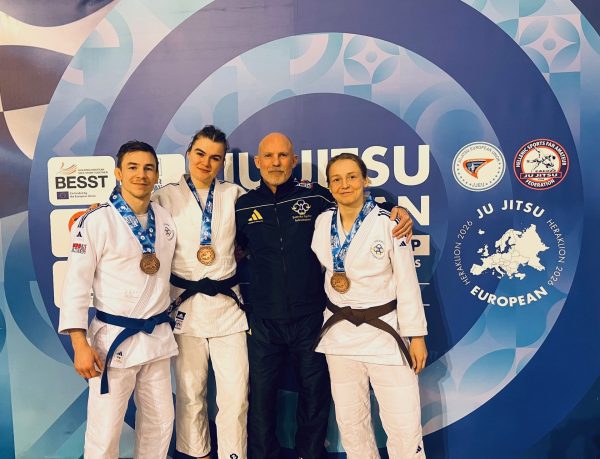
The fighting team competition brought another Swedish medal and another emotionally charged performance. Sweden’s mixed team featured Oskar Jaskari, Klara Mattsson, Emma Lette, Alicia Johansson, Linnea Woxenius, Livia Högbom, Kevin Christoforidis Johansson, Toni Beljo and Johannes Bolander. The team defeated Montenegro in its opening tie to reach the semifinal, where Greece’s first team edged Sweden out in a close contest. That left a bronze-medal match against Greece’s second team, and this time Sweden left no doubt. The team attacked confidently, built a lead and secured bronze.
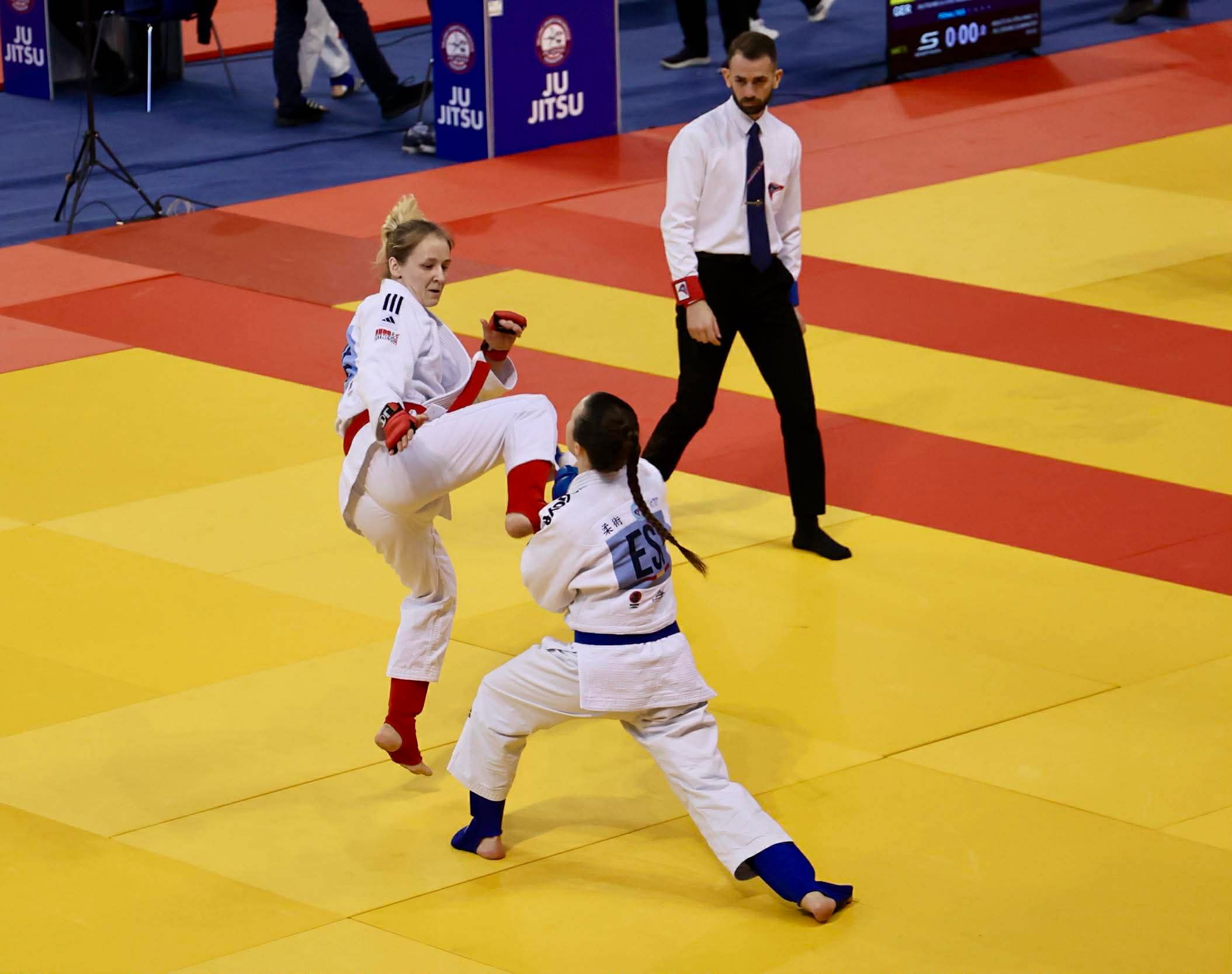
This team bronze was significant because team events often reveal a delegation’s internal quality more clearly than individual brackets do. They demand cohesion, emotional balance and belief after several days of highs and lows. Sweden had all three. The result suggested that this was not merely a team of strong individuals, but a squad with genuine collective identity.
Josephine Österberg’s breakthrough gold
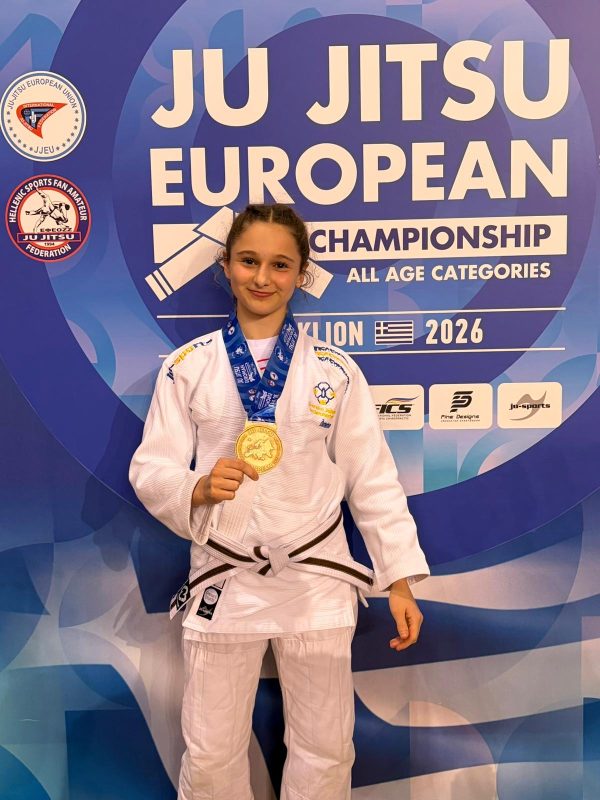
The junior programme then supplied one of Sweden’s most emphatic performances of the whole championship. In the U16 category, Josephine Österberg entered the -44 kg class and completely dominated it. Because of a large number of entries, the day started early, but Österberg made any concerns about rhythm or nerves irrelevant almost immediately. She won from the opening seconds, and according to the Swedish federation’s recap she went all the way through the bracket with four straight wins, every one of them by full ippon. That brought her the European title in commanding fashion.
For Sweden, this gold was about more than one medal. It was the kind of performance that signals future international potential in unmistakable terms. Junior golds do not guarantee senior success, but the manner of victory often matters, and Österberg’s route to the title was about as emphatic as it gets. Hugo Dennisson, Sweden’s other U16 competitor that day, also managed an opening victory before losing later in the bracket and in repechage. It was his first championship and valuable experience, even if it did not end with a medal.
Olivia Panovski ends the week with silver
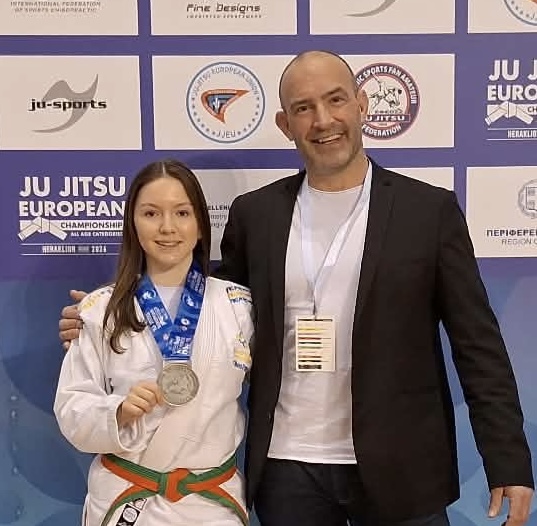
Sweden’s final medal came at the end of the championship, when the U18 competition closed out the week. Olivia Panovski gave Sweden one last run to a final and ensured that the team finished on a high. According to the federation’s report, Panovski defeated opponents from Poland and France to reach the gold-medal bout in the -48 kg class. In the final, she faced a Greek opponent, and while the home athlete proved too strong on the day, Panovski still secured silver for Sweden.
The same day also brought more near-misses. Timmo Haans advanced well before losing in the semifinal and later in the bronze-medal match, finishing fifth. David Lundgren suffered a difficult opening-round loss despite a spirited effort. Panovski’s silver, however, gave Sweden a fitting final note: another athlete deep into a bracket, another podium finish, another sign that the country’s junior structure is producing fighters who can compete across Europe.
A championship defined by breadth, not just stars
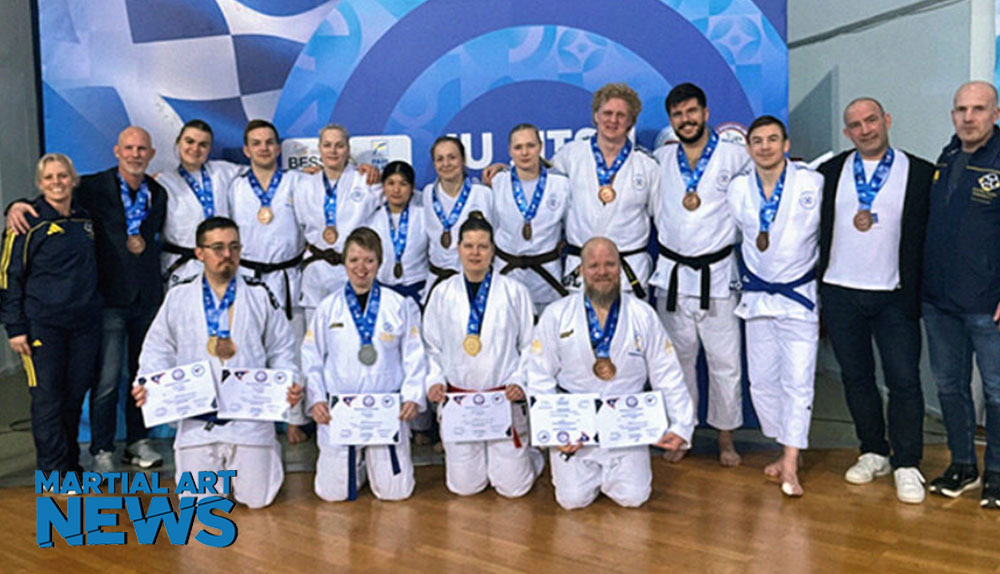
When the medals were finally counted, Sweden’s championship total stood at 14. The gold medals came through Astrid Schölin, Josephine Österberg, Jenny Öster Hall and Elias Wihrén. Silver medals were won by Ida Björnritz and Olivia Panovski. Bronze medals went to Oskar Jaskari, Klara Mattsson, Emma Lette, Amanda Vikingsson, Roland Andersson-Jensen in class k, Elias Wihrén in the open class, Roland Andersson-Jensen in the open class, and the Swedish fighting team. That is an unusually broad spread for one championship week. It covers senior fighting, newaza, para, U16, U18 and team competition.
That breadth may be the single most important conclusion from Heraklion. Sweden did not rely on one or two headline names alone. It won titles through dominant performances, such as Schölin’s submission victory and Österberg’s all-ippon run. It collected podium places through resilience, as with Lette’s comeback bronze and Vikingsson’s repechage rebound. It showed structure and continuity through para results, and cohesion through the team bronze. Even several of the non-medallists were only one bout away from podium finishes.
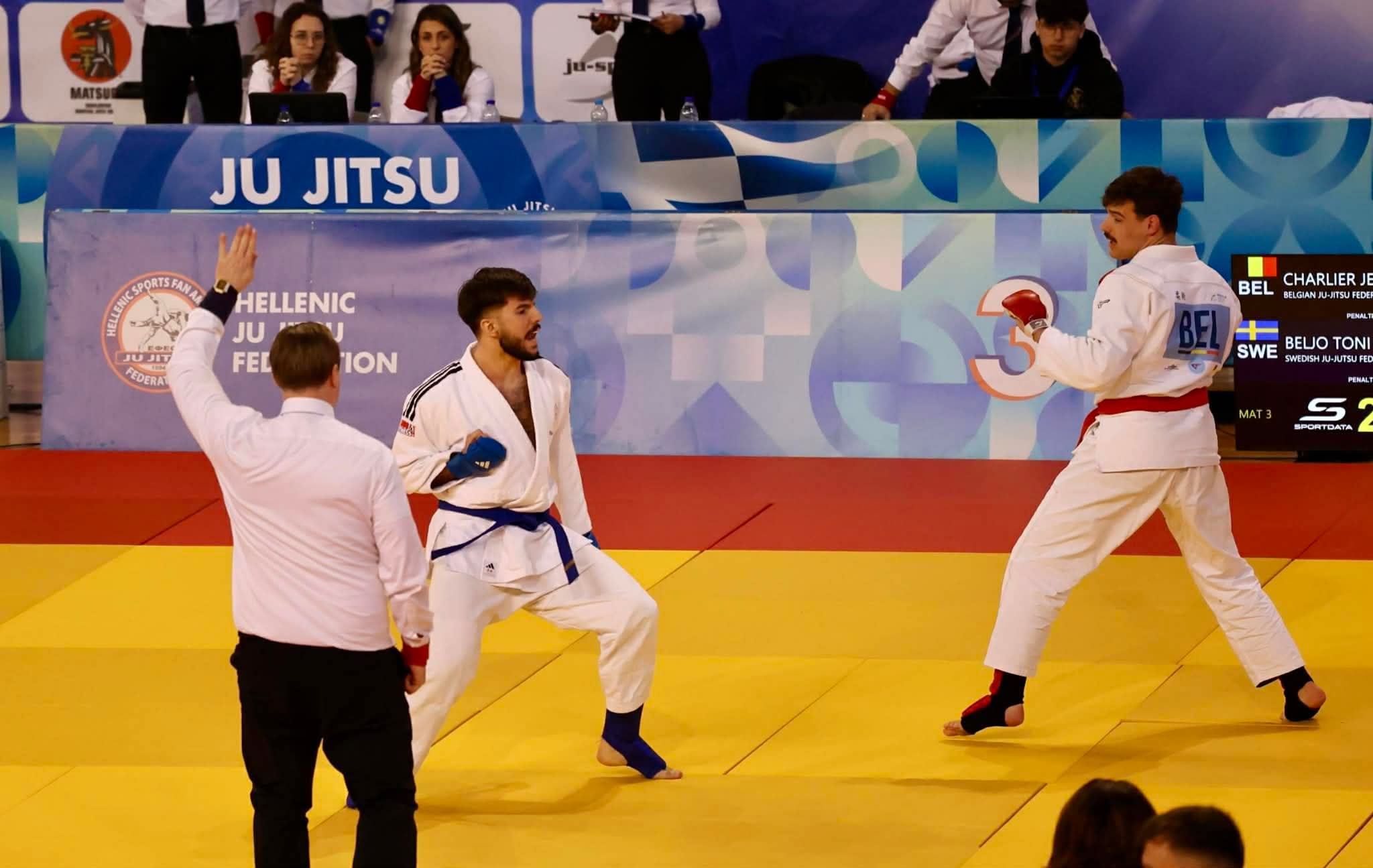
In that sense, Heraklion was not simply a successful tournament for Sweden. It was a demonstration of programme health. The senior stars delivered, but so did the next generation. The para athletes continued to perform, and the team event reinforced the quality of the group as a whole. Before the championships, there had been talk that this might be one of Sweden’s strongest jujutsu teams in years. After eight days on Crete, that no longer looked like pre-event hype. It looked like a fair summary of reality.
Sweden’s medals at the 2026 Jujutsu European Championships
- Gold: Astrid Schölin, Josephine Österberg, Jenny Öster Hall, Elias Wihrén
- Silver: Ida Björnritz, Olivia Panovski
- Bronze: Oskar Jaskari, Klara Mattsson, Emma Lette, Amanda Vikingsson, Roland Andersson-Jensen (class k), Elias Wihrén (open), Roland Andersson-Jensen (open), Sweden fighting team
Snart dags för EM! | Svenska Jujutsufederationen
U21 klara på EM | Svenska Jujutsufederationen
Dags för adult på EM | Svenska Jujutsufederationen
EM-guld till Astrid Schölin! | Svenska Jujutsufederationen
Teamtävling och para | Svenska Jujutsufederationen
Josephine tar hem guldet | Svenska Jujutsufederationen
EM avslutades med ett silver till Olivia Panovski | Svenska Jujutsufederationen
Emma Lette om uppladdningen inför EM – Svenska Budo & Kampsportsförbundet
Jujutsu-stjärnan ser fram emot EM – Svenska Budo & Kampsportsförbundet
Möjligen det bästa jujutsu-landslag jag sett – Svenska Budo & Kampsportsförbundet
Så följer du dagens svenskar i jujutsu-EM – Svenska Budo & Kampsportsförbundet
Trippla EM-brons i jujutsu – Svenska Budo & Kampsportsförbundet
Dagens blågula starter i jujutsu-EM – Svenska Budo & Kampsportsförbundet
Schölin säkrar guldet med armlås – Svenska Budo & Kampsportsförbundet
Sju nya svenska EM-medaljer i jujutsu – Svenska Budo & Kampsportsförbundet
JEM-guld i jujutsu till Josephine Österberg – Svenska Budo & Kampsportsförbundet
Jujutsu Youth World Championships 2025
Visa detta inlägg på Instagram
Visa detta inlägg på Instagram
Visa detta inlägg på Instagram
Visa detta inlägg på Instagram
Visa detta inlägg på Instagram
Comment