

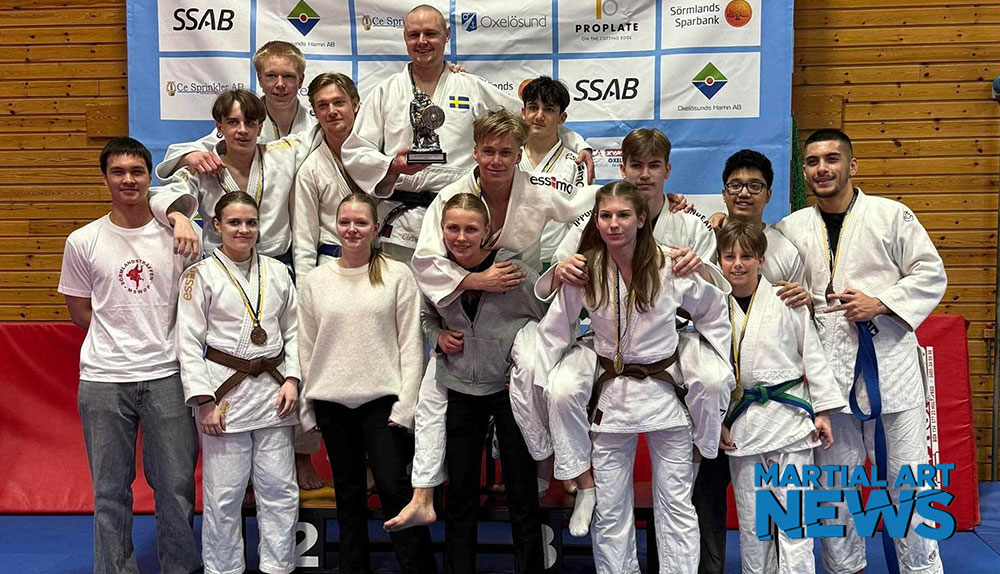

There are some events on the Swedish judo calendar that do more than fill a date. They signal a season, set a standard, and bring together generations of athletes in a way that reminds everyone why the sport matters. Sörmlandsträffen in Oxelösund is one of those events. First staged in 1977 and organized by Oxelösunds Judoklubb, the competition has grown into one of Sweden’s most established judo tournaments, while remaining firmly rooted in the club-driven culture that has always defined Swedish judo. In 2026, that legacy was on full display once again. The competition took place on March 28 at Medley Ramdalen Sportcenter in Oxelösund, with a training camp following on March 29. The official program covered categories from U15 through veterans, and the weekend once again paired Sörmlandsträffen with the Swedish Open for veterans, giving the event both depth and breadth across age groups.
Strong numbers and international reach
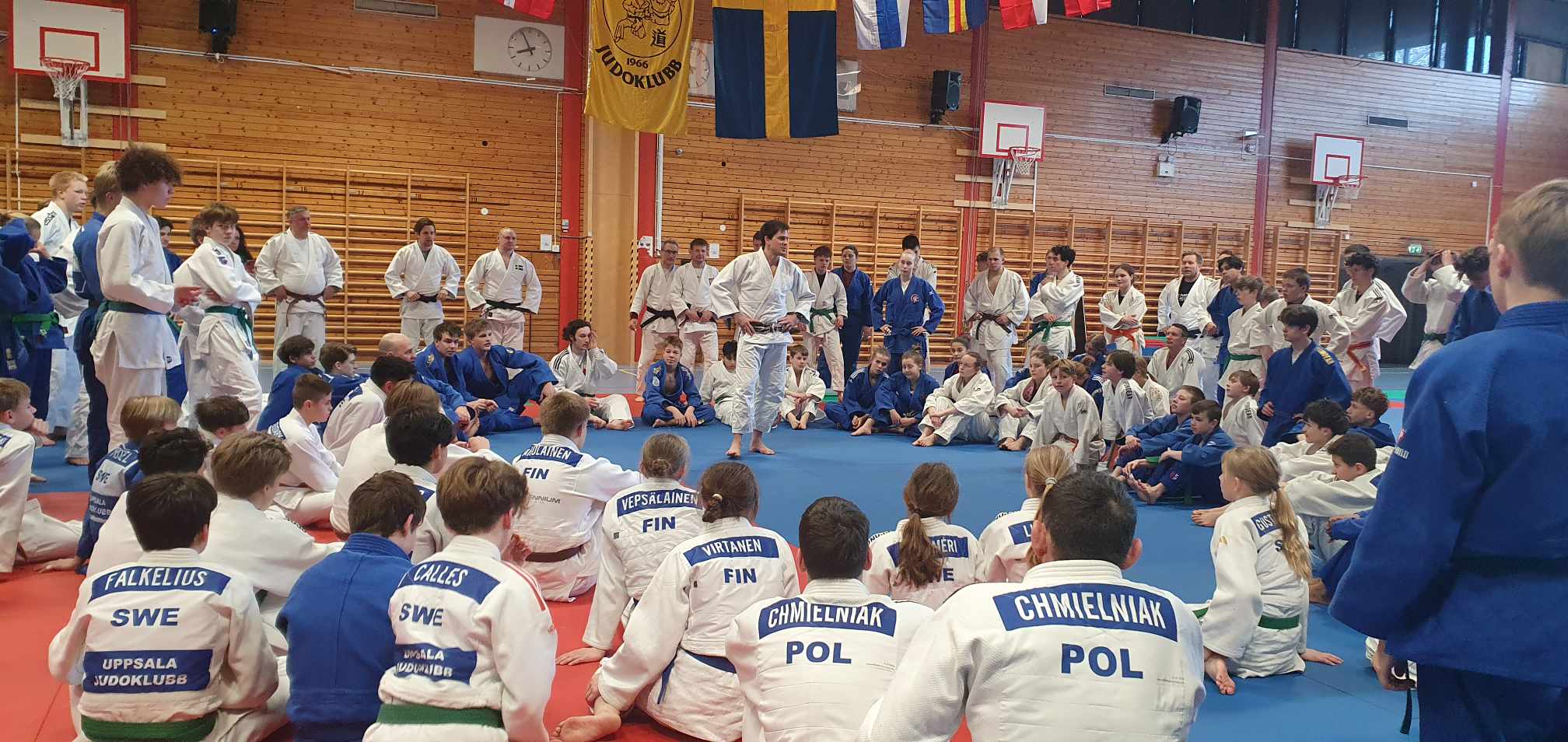
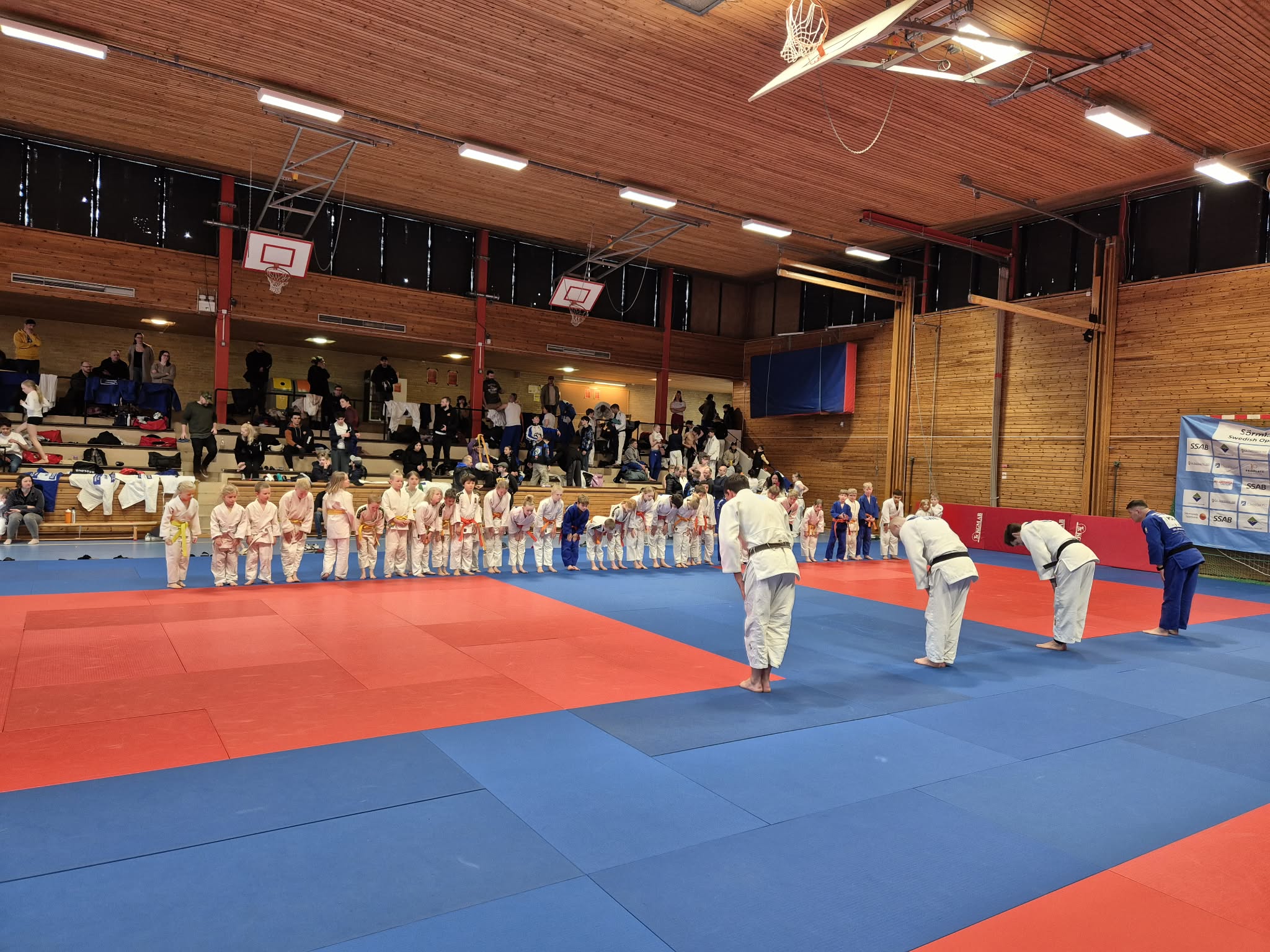
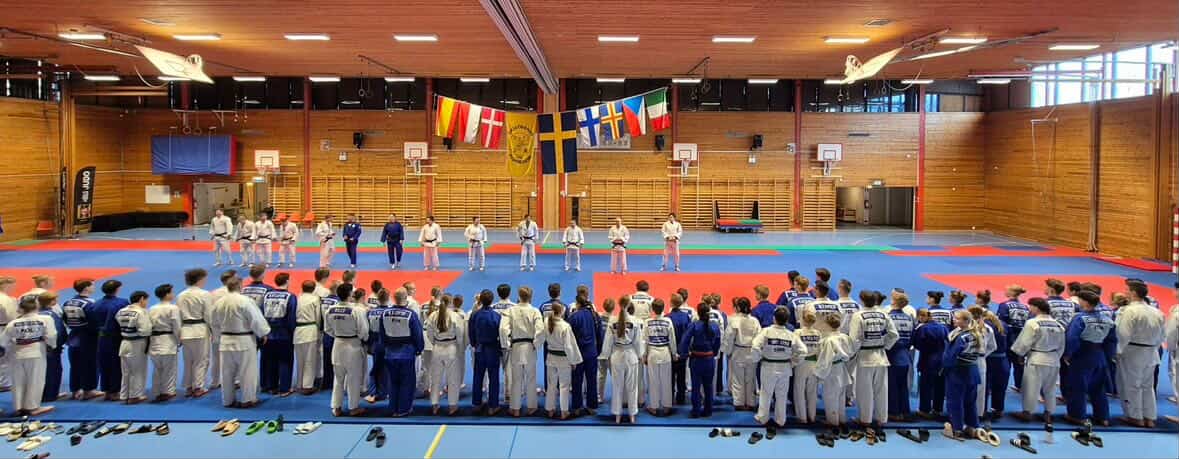
This spring’s edition was more than just another successful installment. According to the organizers, around 340 competitors took part, representing Sweden, Finland, Denmark, Poland, Italy, the Czech Republic and Åland, while more than 150 judoka joined the Sunday camp led by Tommy Macias. Those numbers tell a story of scale, but they also tell a story of trust. Athletes, coaches and clubs keep returning to Oxelösund because the event has built a reputation over decades. Sörmlandsträffen and the veteran open have become what many in Swedish judo regard as a sure sign of spring: a packed competition hall, strong domestic opposition, international visitors, and a weekend where athletes can both test themselves and learn. The organizers have already confirmed that the 2027 judo weekend is booked for April 3–4, with Tommy Macias also scheduled to return, which says a great deal about how the club sees the event’s long-term future.
A tournament that has outgrown its limits
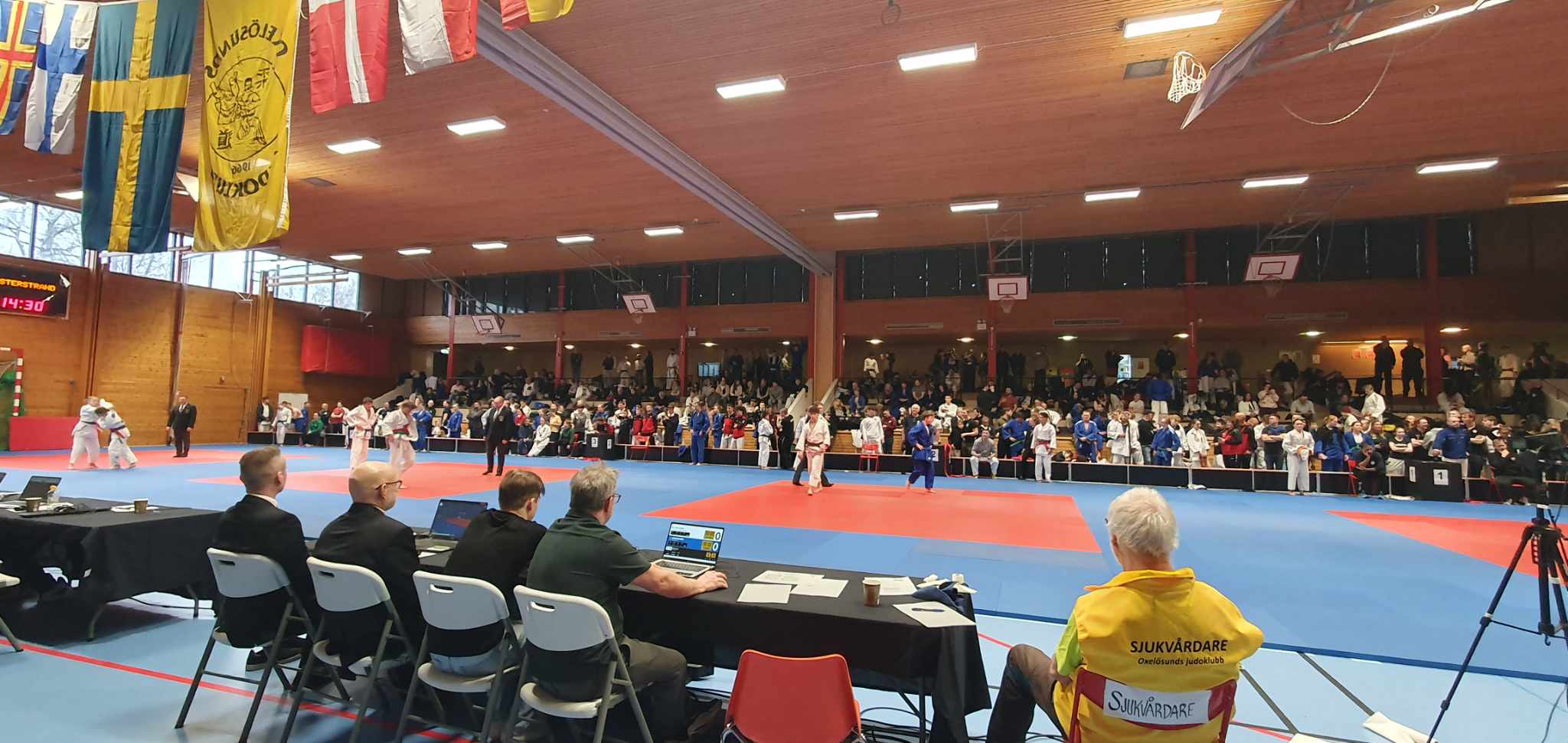
What made the 2026 edition stand out was not only the number of entries, but the sense that Sörmlandsträffen is entering a new phase. The event reached its participant cap this year. Organizers said they had to limit double entries and even turn away clubs that wanted to attend. That is a problem, but it is the kind of problem many tournament directors would gladly accept: demand has outgrown capacity. In response, Oxelösunds Judoklubb is already looking at the possibility of expanding to five match areas in 2027 in order to receive more athletes. That ambition reflects a tournament that is no longer simply preserving tradition; it is actively adapting to growth. For Swedish judo, that matters. A crowded national calendar can sometimes force tournaments into competition with one another, yet Sörmlandsträffen appears to have strengthened its position instead.
Athlete-focused organization
One of the clearest signs of this ambition was the event’s operational development. Competition leader Peter Ivarsson emphasized that the organizers want to live up to the vision of creating “the world’s best competition for the athletes.” That is a bold phrase, but the structure of the weekend suggests the club is serious about it. This year the tournament introduced dynamic start times, allowing participants to follow in real time when their matches were due to begin. For competitors and coaches, that is not a small improvement. It reduces uncertainty, makes warm-ups easier to plan, and creates a more athlete-friendly competition day. The organizers reported that the format was received positively, and they also sent out a survey afterwards to gather feedback from participants in order to keep refining both the competition and the camp.
Why flow matters in a judo tournament
That kind of detail may sound administrative, but in practice it shapes the entire athlete experience. Anyone who has spent a full day inside a busy judo hall knows how much the rhythm of an event matters. Delays, confusion around call times, and long idle stretches can drain energy from competitors and coaches alike. In Oxelösund, the stated aim was for the competition to run smoothly without unnecessary interruptions or pauses, and by all accounts it did. In a sport where local clubs still carry so much of the burden of event organization, Sörmlandsträffen showed that tradition and innovation do not have to be opposites. The event felt grounded in Swedish judo culture, but it also looked toward a more efficient and more athlete-centered future.
A weekend widely noticed across the judo community
The reach of the event was visible across social media and club reports after the weekend. Posts from participating clubs and local accounts described Sörmlandsträffen as a major competition with broad participation and a strong atmosphere, while Instagram and Facebook snippets pointed to medal-winning performances, deep team efforts, and the value of simply being part of such a large gathering. Even allowing for the usual differences between official entry counts and broader weekend attendance language on social media, the message was clear: Oxelösund hosted an event with real weight in the Swedish and Nordic judo landscape.
Valuable international experience
The international character of the weekend also deserves attention. In the user-provided event information, participating nations included Sweden, Finland, Denmark, Poland, Italy, the Czech Republic and Åland. That kind of lineup adds more than variety to a draw sheet. It changes the competitive texture of a tournament. Domestic athletes get exposure to different gripping styles, different tactical habits, and different levels of intensity even before they step onto larger European stages. For younger judoka in U15, U18 and U21, that matters enormously. A tournament like Sörmlandsträffen becomes a bridge between regional competition and wider international experience. For senior and veteran judoka, it becomes a place to test form, sharpen timing and remain connected to a wider judo community.
Tommy Macias adds star power and substance
Then there was the Sunday camp, which gave the weekend an added dimension. More than 150 participants stayed on to train with Tommy Macias, one of Sweden’s most accomplished modern judoka. Bringing an athlete of that stature into a club-hosted spring event elevates the entire weekend. It gives younger judoka a direct connection to elite experience, while also turning the competition into something more than a medal chase. It becomes a learning environment.
More than a competition weekend
That matters especially in a Swedish context, where the health of the sport depends not only on flagship national championships and international tours, but on the everyday strength of the club ecosystem. When an event like Sörmlandsträffen can offer both serious competition and high-level technical development in the same weekend, it serves multiple parts of the judo pathway at once. The youngest athletes get inspiration. Competitive juniors get exposure. Seniors and veterans get meaningful mat time. Coaches get a chance to observe, exchange ideas and bring home new material. Parents and volunteers see the living structure of the sport in one place. This is one reason Sörmlandsträffen has endured since 1977. It is not a one-dimensional event. It is a meeting point.
The role of Oxelösunds Judoklubb
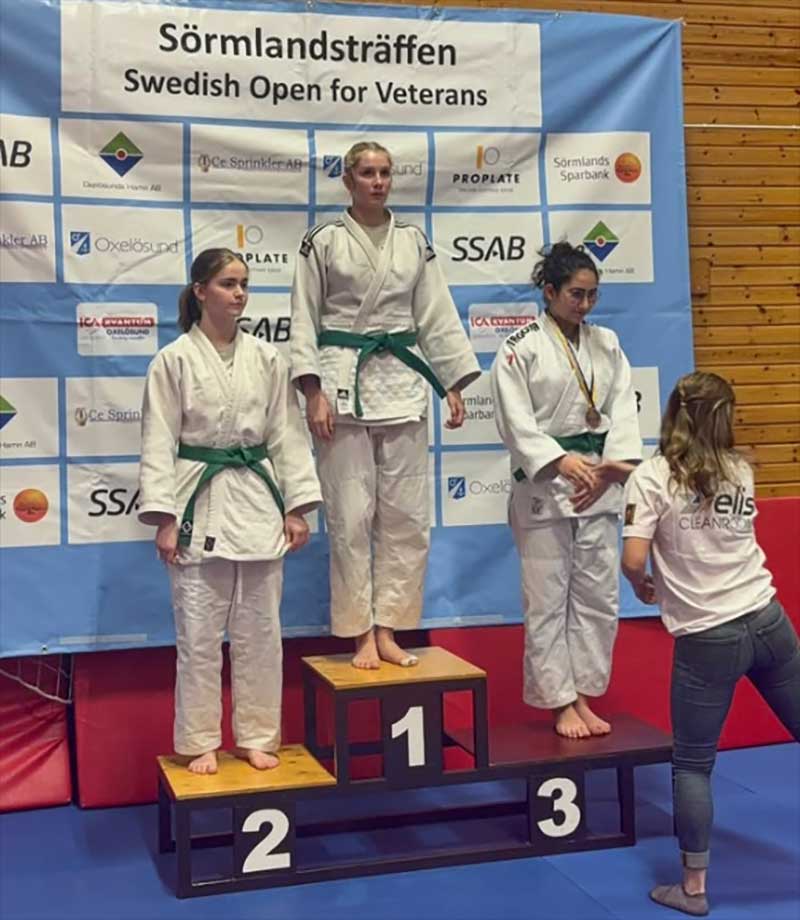
Oxelösunds Judoklubb itself is central to that story. This is not a giant metropolitan institution built on scale alone. It is a longstanding local club that has turned continuity into strength. Public descriptions of the club also note that it has arranged Sörmlandsträffen every year since 1977, which helps explain why the event feels so established. Few tournaments build that kind of identity by accident. It comes from volunteers, routines, relationships, and a culture that treats hospitality and quality as part of competition itself.
A fixture with meaning beyond the local scene
There is also a broader symbolic dimension to Oxelösund’s role. In martial arts media and within Swedish budo circles, certain event names begin to mean more than their literal function. Sörmlandsträffen is one of them. It is not simply a local competition held in Oxelösund. It is now part of the shared memory and seasonal rhythm of Swedish combat sports.
Performances that stood out
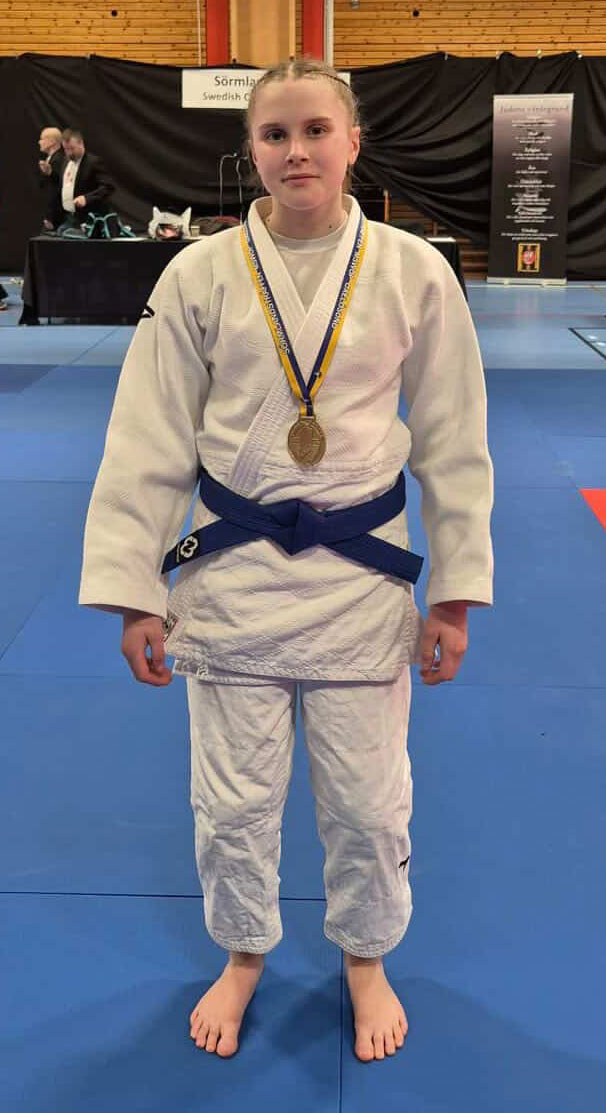
Every strong tournament also needs strong performances, and those were there in 2026 as well. Local and regional reporting after the event highlighted athletes who made the most of the opportunity. These kinds of performances are important because they show what Sörmlandsträffen can offer rising athletes: not only medals, but meaningful matches against varied opposition and the kind of momentum that carries into the rest of the spring season.
Club success across the weekend
At the same time, the competition looked strong at club level too. Social media summaries from participating teams framed the event as both international and highly competitive, while posts from various clubs showed that many teams treated Oxelösund as an important measuring stick. That may be one of the tournament’s greatest strengths. Athletes do not come only for a pleasant trip or a familiar weekend. They come because the event means something competitively. It has become a place where results carry value.
Veterans remain a key part of the identity
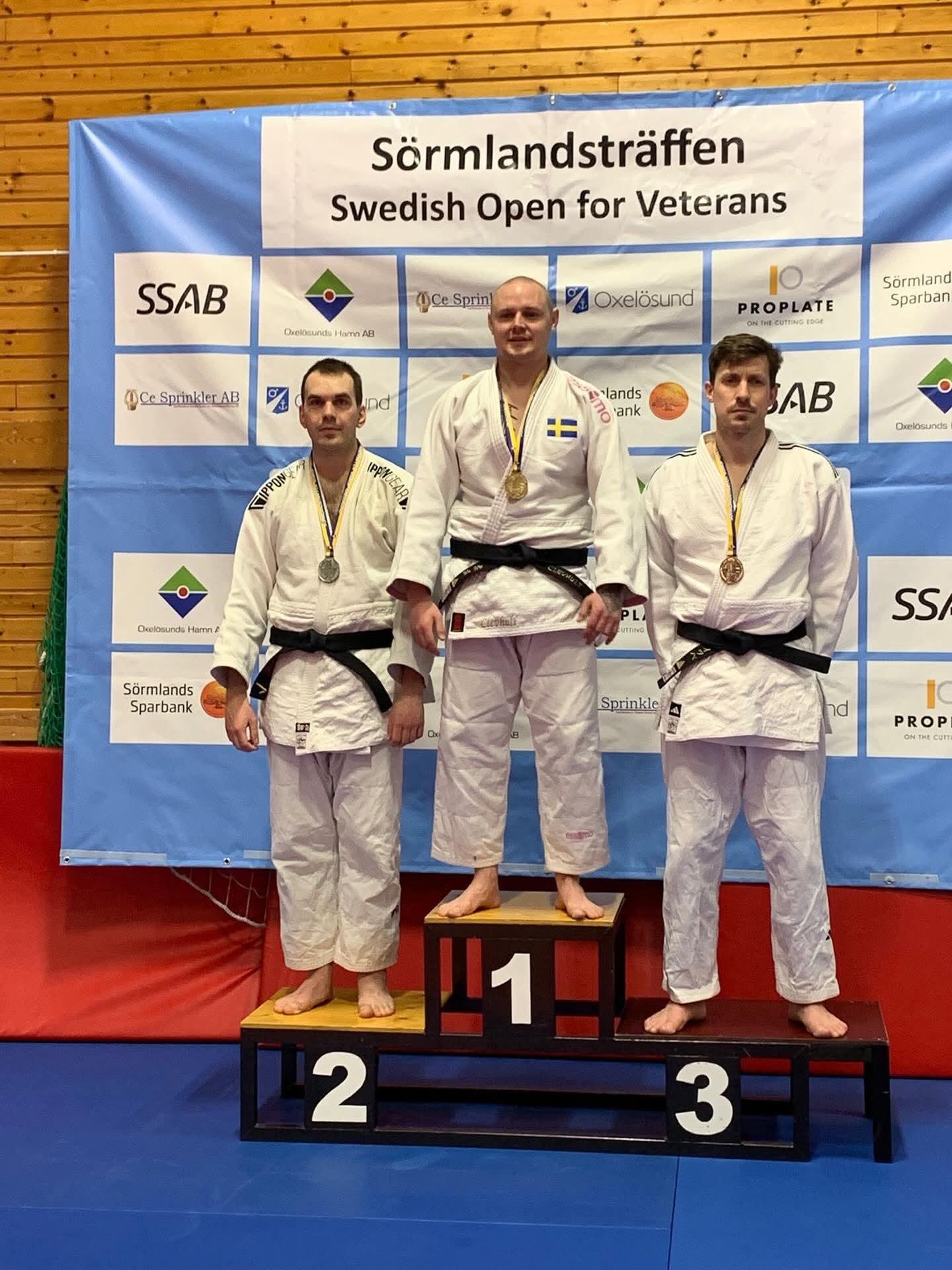
The veteran side of the weekend also deserves its own mention. Too often, veteran competition is treated as an add-on rather than a central part of a tournament’s identity. In Oxelösund, the Swedish Open for veterans is not an afterthought. It is built into the concept of the weekend and helps broaden the appeal of the event across generations. That fits judo particularly well. The sport has always had a special relationship with longevity. A veteran judoka does not step onto the tatami for the same reasons as a 15-year-old prospect, but both are part of the same culture of discipline, respect and personal development.
Learning continues after the medals are decided
This is also why the camp component matters so much. A veteran competitor may take home a medal or a loss from Saturday, but still leave Sunday with new technical detail from Tommy Macias. A young athlete who struggles in a draw can return the next day and work directly on timing, transitions or gripping ideas with one of Sweden’s most recognizable judoka. That continuity between competition and learning softens the harshness that tournament weekends can sometimes create. Instead of a simple winner-loser divide, the weekend offers a more complete athletic experience. In developmental terms, that is enormously valuable.
Growth brings new challenges
There is another lesson in the success of this year’s event, and it concerns capacity. Swedish judo, like many martial arts communities, often measures its health through elite results. Those matter, of course. But the pressure point in Oxelösund this year was not lack of relevance; it was lack of space. The event hit its limit. Organizers had to restrict some entries and are now considering expanding to five match areas next year. That is a practical challenge, but it is also evidence of vitality. It suggests a level of demand that many sports would envy. The challenge for the future is to scale without losing the quality that made the event attractive in the first place.
A weekend that showed why the tradition endures
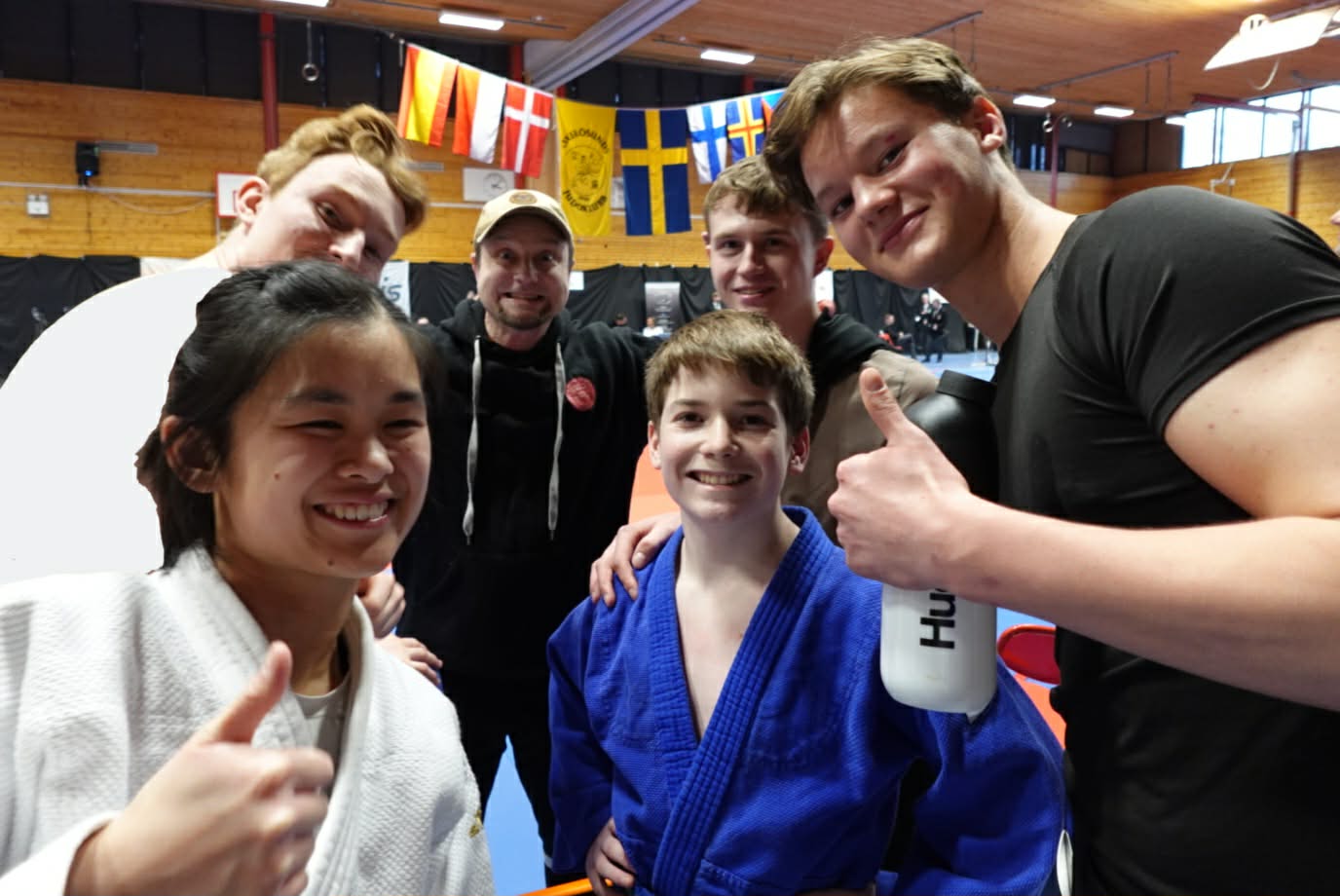
For now, though, the 2026 edition stands as a strong statement in its own right. The numbers were impressive. The camp was well attended. The organization appears to have been smooth and ambitious. The atmosphere was one of intensity, appreciation and community. And perhaps most importantly, the event continued to do what the best long-running tournaments always do: it made different parts of the sport feel connected. Elite experience met grassroots enthusiasm. Veterans shared the weekend with juniors. International guests met local club culture. Tradition met innovation.
Why Sörmlandsträffen still matters
In a sporting era where many events chase novelty, Sörmlandsträffen’s strength lies in something more durable. It has history, but it does not rely on history alone. It is proud of its roots, yet willing to modernize. It draws local volunteers and international competitors into the same space. It remembers that a good judo weekend is not only about podium photos, but about flow, hospitality, learning and the feeling that athletes are genuinely being looked after. That is why Sörmlandsträffen remains one of the most respected spring fixtures in Swedish judo. And that is why the 2026 weekend in Oxelösund felt less like a routine success and more like a reminder: some traditions stay alive because they keep finding ways to matter.
Sörmlandsträffen and Swedish open for veterans (MSWOP) 2026 + Camp – Smoothcomp
Visa detta inlägg på Instagram
Visa detta inlägg på Instagram
Comment