
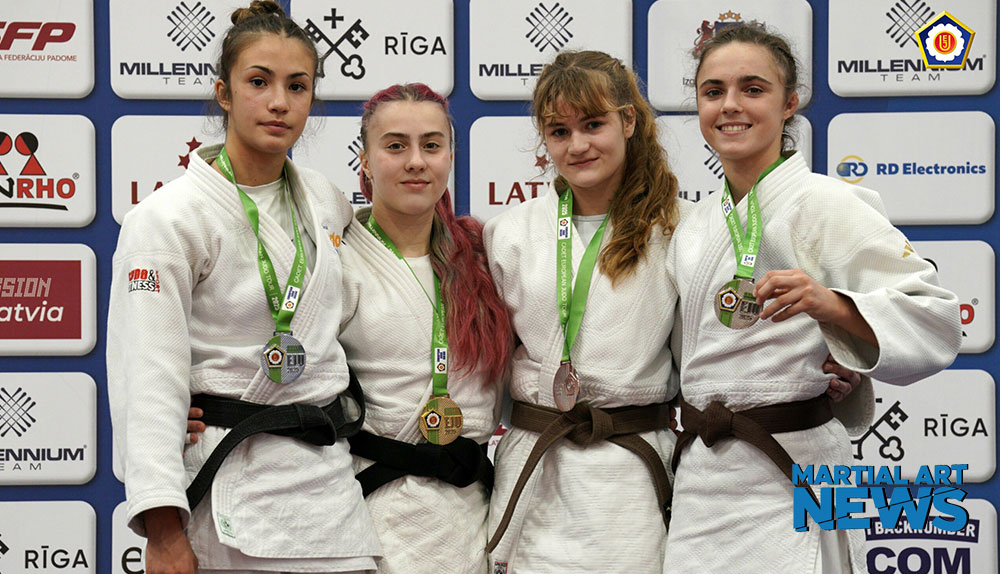

The Latvian capital of Riga played host to the 2025 edition of the Riga ‘Millennium Team’ Cadet European Cup 2025, a major tournament on the European cadet judo calendar. The event, held over two days (18–19 October), drew a robust field of 435 athletes from 24 nations across three continents, underscoring the depth and growing competitiveness of cadet judo in Europe and beyond.
A step up in scale and ambition
Compared with previous years, this year’s edition signalled clear ambitions in infrastructure and athlete turnout.
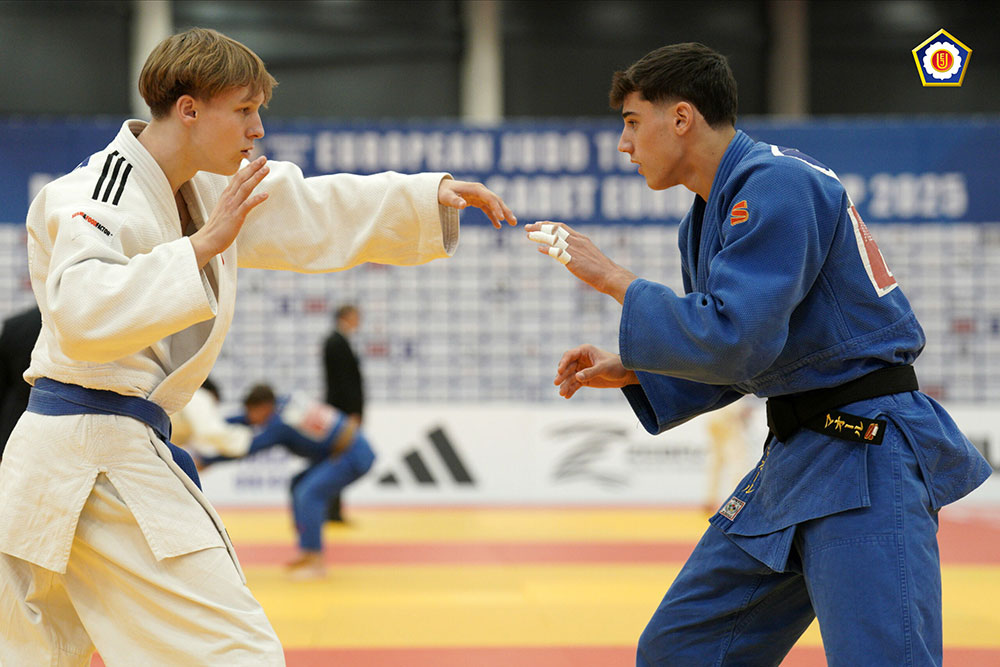
The championships were branded under the “Millennium Team” name, indicating the involvement of the Millennium Team organisation and a further push to raise the prestige and organisational level of cadet events. The larger participation and wider country representation suggest that national federations are increasingly valuing cadet-level competition as a key development pathway.
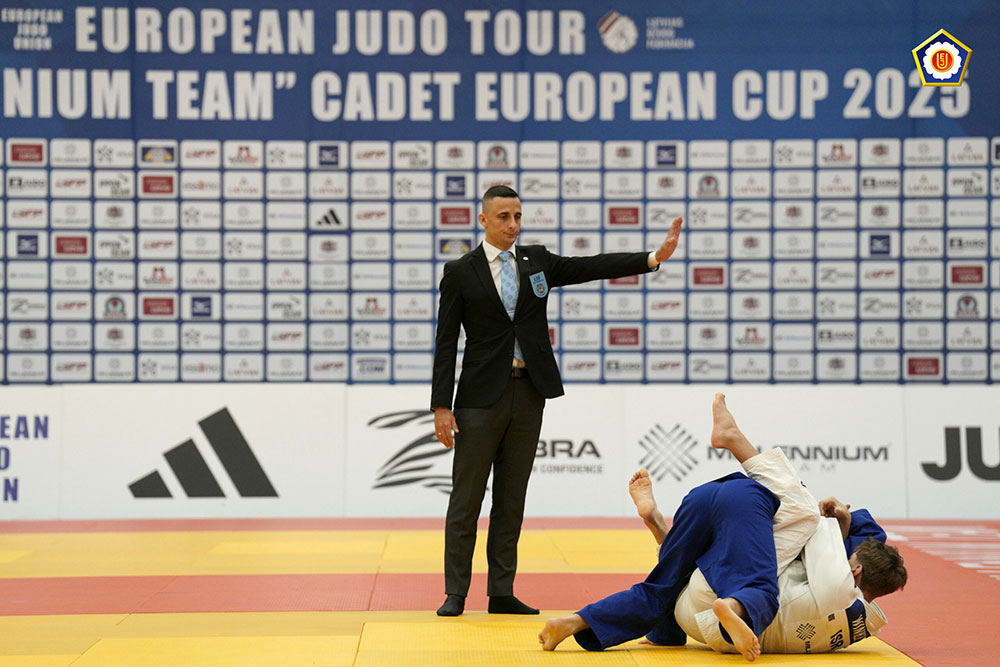
Technically, the event mirrored the structure of senior and junior-level competitions: a full slate of weight-classes for men and women, elimination rounds leading into finals, and a significant number of contest sheets managed across the two days. The draw and event overview details are posted on the International Judo Federation (IJF) website.
Highlights from the mats
From the results that have been published, several standout performances emerged:
-
In the Men’s –55 kg class, Poland’s Bartłomiej Dobrowolski captured gold, while fellow Pole Filip Pacholak claimed silver. Third place was shared by Yaniv Kusnezov (ISR) and Omer Mor Barak (ISR).
In Women’s –44 kg, Italy’s Sofia Longo secured gold, with Israel’s Shir Liberman taking silver and Julia Błaszczyk (POL) and Anna Azarumyan (EST) the bronze medals.
-
Other categories saw deep fields, for example Men’s –60 kg where Ukraine’s Maksym Zinchuk took gold and his compatriot Vladyslav Matviichuk silver; and the bronze spots going to Gali Rolnik (ISR) and Artak Azarumyan (EST).
The medal table provides a snapshot of national team results:
-
Poland – 4 golds, 2 silvers, 9 bronzes
-
Ukraine – 4 golds, 1 silver, 2 bronzes
-
Lithuania – 2 golds, 2 silvers, 2 bronzes
-
Latvia – 2 golds, 1 silver, 3 bronzes
-
Israel – 1 gold, 3 silvers, 8 bronzes
Among other nations: Sweden finished with 1 gold, 1 bronze and 2 additional placings.
Tactical trends and developmental implications
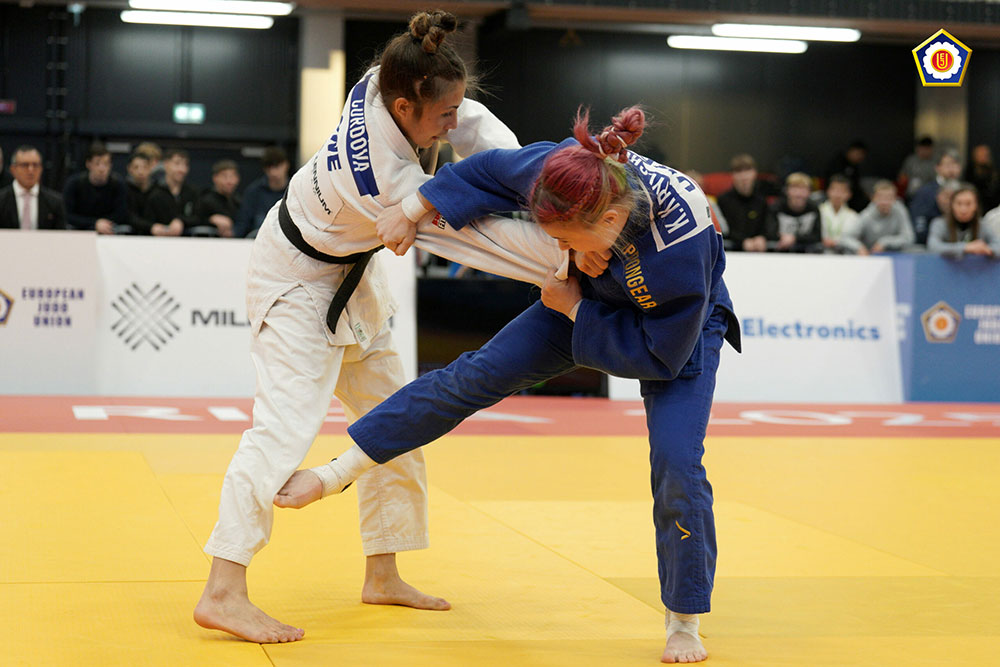
A few technical and strategic themes emerged during the tournament:
-
Poland and Ukraine dominate: Both nations showcased strong cadet systems, with breadth in multiple weight categories and multiple medal winners. Their training programmes appear to be reaping dividends at this U18 level.
-
Winning through agility and grip fighting: In many bouts, success was gained by judoka who combined dynamic movement with quick transitions rather than relying solely on strength or size – which is typical at cadet age, where physical development is still on the rise.
-
National teams placing emphasis on cadet exposure: With nearly 435 athletes present, many participating countries clearly view this event as crucial experience for their up-and-coming talent.
-
Sweden making a mark: While not yet among the dominant nations, Sweden’s presence and results show signs of upward momentum, which bodes well for future U18 and junior European-level campaigns.
Full results summary
Below we present a selection of the medalists across weight divisions (men and women) from the event. Please note: due to the scope of the event, this is a representative rather than exhaustive list.
| Division | Gold | Silver | Bronze |
|---|---|---|---|
| Men –55 kg | Bartłomiej Dobrowolski (POL) | Filip Pacholak (POL) | Yaniv Kusnezov (ISR) / Omer Mor Barak (ISR) |
| Men –60 kg | Maksym Zinchuk (UKR) | Vladyslav Matviichuk (UKR) | Gali Rolnik (ISR) / Artak Azarumyan (EST) |
| Men –66 kg | Ron Maor (ISR) | Nikola Hadži-Veljković (CRO) | Maor Fridman (ISR) / Artur Sandlerman (POL) |
| Men –73 kg | Eriks Homka (LAT) | Emri Benzaken (ISR) | Hryhorii Cheremkhov (UKR) / Emilis Grigorjev (LTU) |
| Men –81 kg | Maksym Rotar (UKR) | Tits Kullo (LAT) | Aleksei Kikas (EST) / Liroy Shniderman (ISR) |
| Men –90 kg | Tajus Babaicenko (LTU) | Gheorghe Tataru (GBR) | Bartłomiej Pawlak (POL) / Mantas Mikutaitis (LTU) |
| Men +90 kg | Aleksandrs Apsalons (LAT) | Petar Novaković (SRB) | Arthur Stevenson (CAN) / Ken-Kermo Koort (EST) |
| Women –44 kg | Sofia Longo (ITA) | Shir Liberman (ISR) | Julia Błaszczyk (POL) / Anna Azarumyan (EST) |
| Women –48 kg | Nina Podymska (POL) | Iana Prituleac (MDA) | Agam Sol Noy (ISR) / Leeyam Stark (ISR) |
| Women –52 kg | Kseniia Kyrylchuk (UKR) | Sofia Cordova (SWE) | Helena Brodala (POL) / Oliwia Pieloch (POL) |
| Women –57 kg | Jagoda Ciupek (POL) | Shira Mekaiton (ISR) | Noa Pery (ISR) / Julia Siemko (POL) |
| Women –63 kg | Ingrid Komodowski (DEN) | Zoja Galewicz (POL) | Sofia Pekki (FIN) / Greta Slezak (CRO) |
| Women –70 kg | Milena Marek (POL) | Helena Bjarnadóttir (ISL) | Dominika Watroba (POL) / Vita Hudika (CRO) |
| Women +70 kg | Anna Samoliuk (UKR) | Saule Eininge (LTU) | Karolina Matusiak (POL) / Nikola Nowicka (POL) |
Swedish participants: A spotlight on Team Sweden
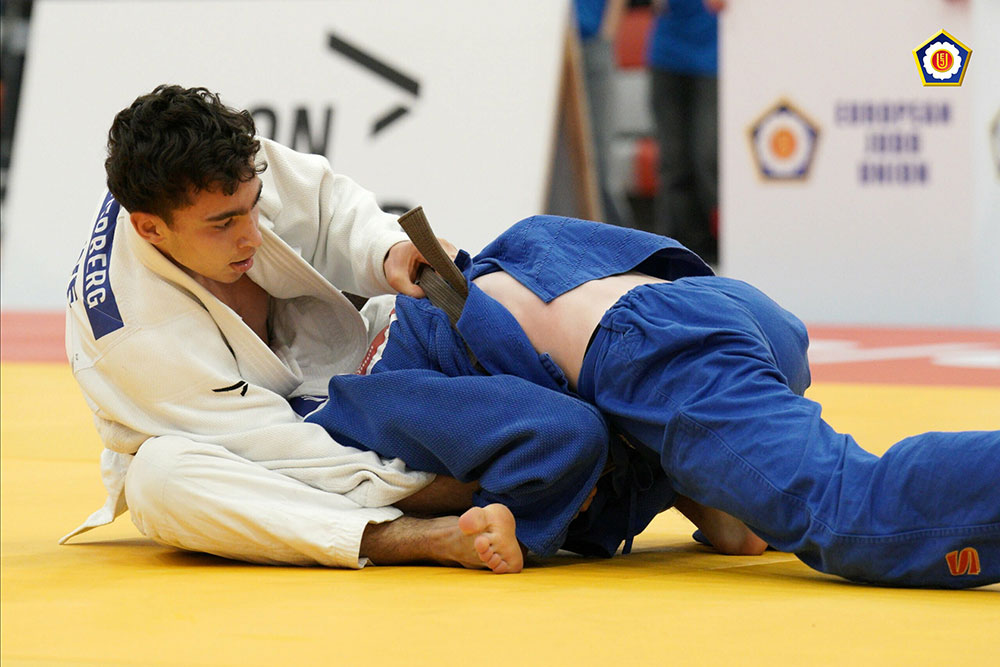
From a Swedish perspective, the event delivered encouraging performances and a tangible sign of progress at cadet level.
-
Sebastian Österberg (SWE) achieved a 5th place finish in the Men’s –55 kg category. This result places him just outside the medal positions but signals strong potential at this level of competition.
-
Sofia Cordova (SWE) secured a silver medal in Women’s –52 kg, finishing as runner-up to Kseniia Kyrylchuk of Ukraine. Her podium finish marks one of Sweden’s most significant cadet-level achievements at the tournament.
-
According to the national standings, Sweden registered 1 gold, 1 bronze and 2 additional placings (positions 5 or 7) across the event. While the gold result is not individually detailed above, it reflects that Swedish judoka managed to convert at least one division into a top-spot.
This performance suggests that Sweden’s cadet programme is yielding results: podium finishes are being achieved and the gap to traditional powerhouse nations is narrowing. For the Swedish Judo Federation and affiliated clubs, the task now is to build on these foundations: ensure consistent preparation, support athletes’ transition into juniors, and use these experiences to refine technical and tactical skills.
In conclusion, the 2025 Riga Cadet European Cup offered a robust platform for young judoka to measure their skills on a continental stage, and Sweden’s contingent demonstrated that they are well and truly in the mix.
For full contest sheets, draws and further statistics, visit the IJF competition page for the event.
Foto: Oksana Dzadana, EJU.
Riga Millennium Team Cadet European Cup 2025 / IJF.org
Riga: A True Celebration of Sport and Young Talent – European Judo Union
Riga “Millennium Team” Cadet European Cup 2025 – European Judo Union
Historic Debut in Peru – Judo Lima Grand Prix 2025
Comment