

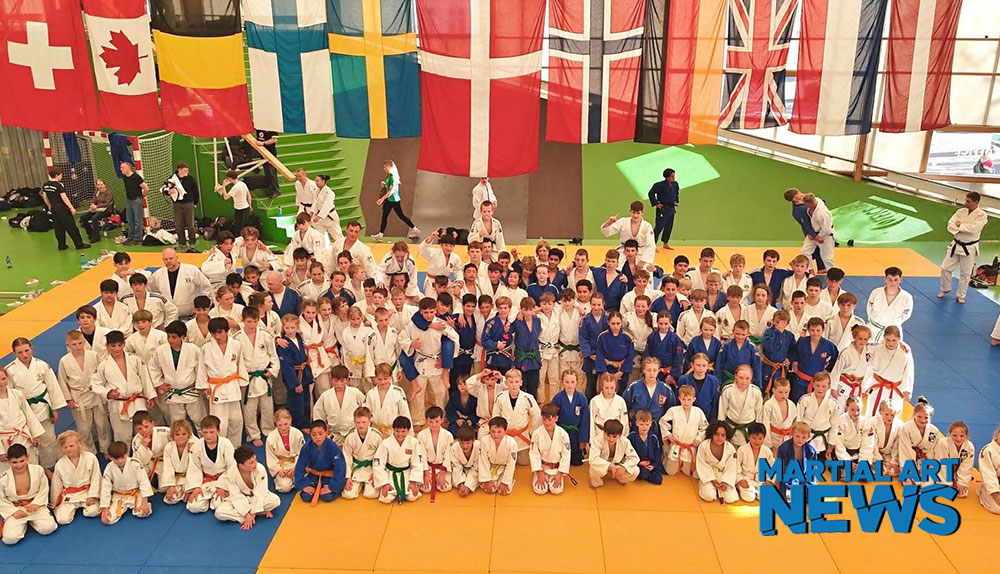

From April 3 to 6, Copenhagen once again became one of Northern Europe’s liveliest judo capitals as Copenhagen Judo Open & Camp 2026 brought together a huge international field for two days of competition followed by two days of camp. Organised by Amager Judo Skole and staged at Prismen in Copenhagen S, the event has grown since its founding in 2011 into one of Scandinavia’s biggest and strongest judo gatherings. This year’s edition did not merely live up to that reputation — it pushed it further. Official statistics show 862 competitors and 1,455 matches across the weekend’s tournament programme, underlining just how substantial the event has become on the Nordic calendar.
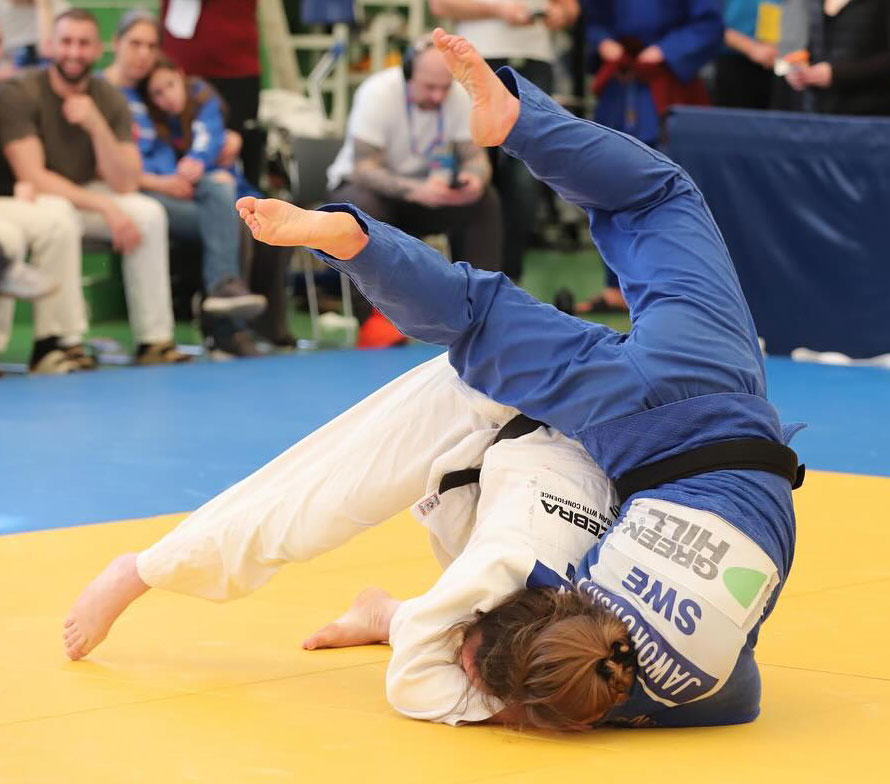
What makes Copenhagen Open stand out is not only scale, but format. The competition days on Friday and Saturday were followed by a randori camp on Sunday and Monday, giving athletes the full package: tournament pressure, international opposition, recovery, reflection and then further development on the mat. That cup-and-camp structure has become one of the defining strengths of major Scandinavian judo events, and Copenhagen Open has refined it into a model that appeals to ambitious youth judoka, seniors seeking experience, and clubs looking for more than just medals.
A tournament built for growth
Copenhagen Open was founded by Amager Judo Skole, which the official event information describes as Denmark’s largest judo club with almost 700 active members. The event’s roots are therefore inseparable from the club’s broader mission: to create a serious but welcoming international environment in the Danish capital. The official event pages also emphasised practical accessibility — easy metro access, proximity to the city and airport, accommodation and meal packages, livestream from all mats, and a structure that made it easy for travelling clubs to plan a full Easter judo trip.
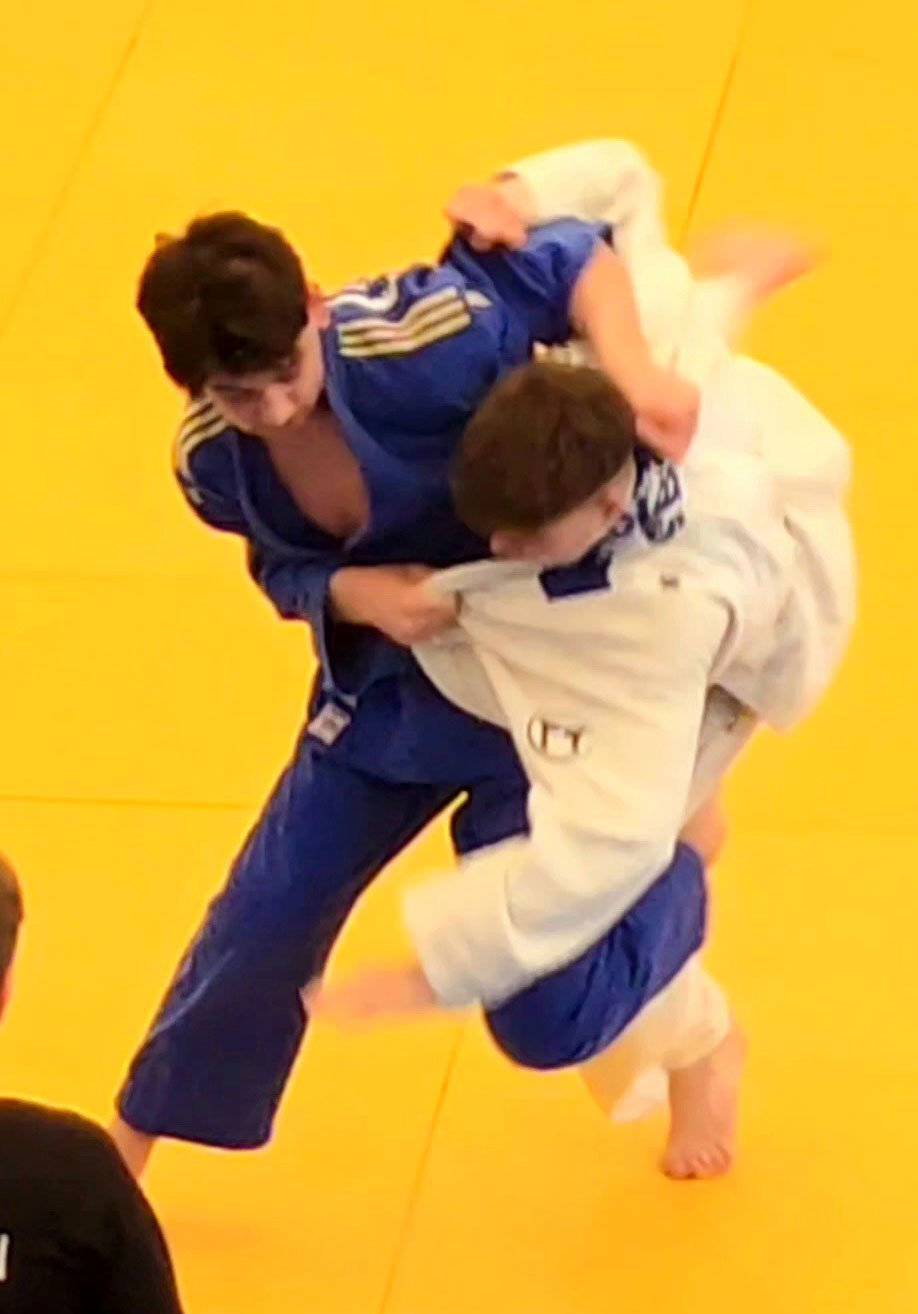
That accessibility matters. In the modern judo landscape, successful tournaments are not only about brackets and podiums. They are about whether clubs from Sweden, Norway, Germany, the Netherlands, Great Britain, Latvia, Finland and beyond feel that an event is worth returning to year after year. Copenhagen Open’s continued growth suggests the answer is yes. The 2026 competitor list reflected a deeply international entry, while the medal table showed clubs from Germany, the Netherlands, Denmark, Sweden, Norway, Latvia, Finland and Great Britain all among the successful teams.
The numbers tell the story
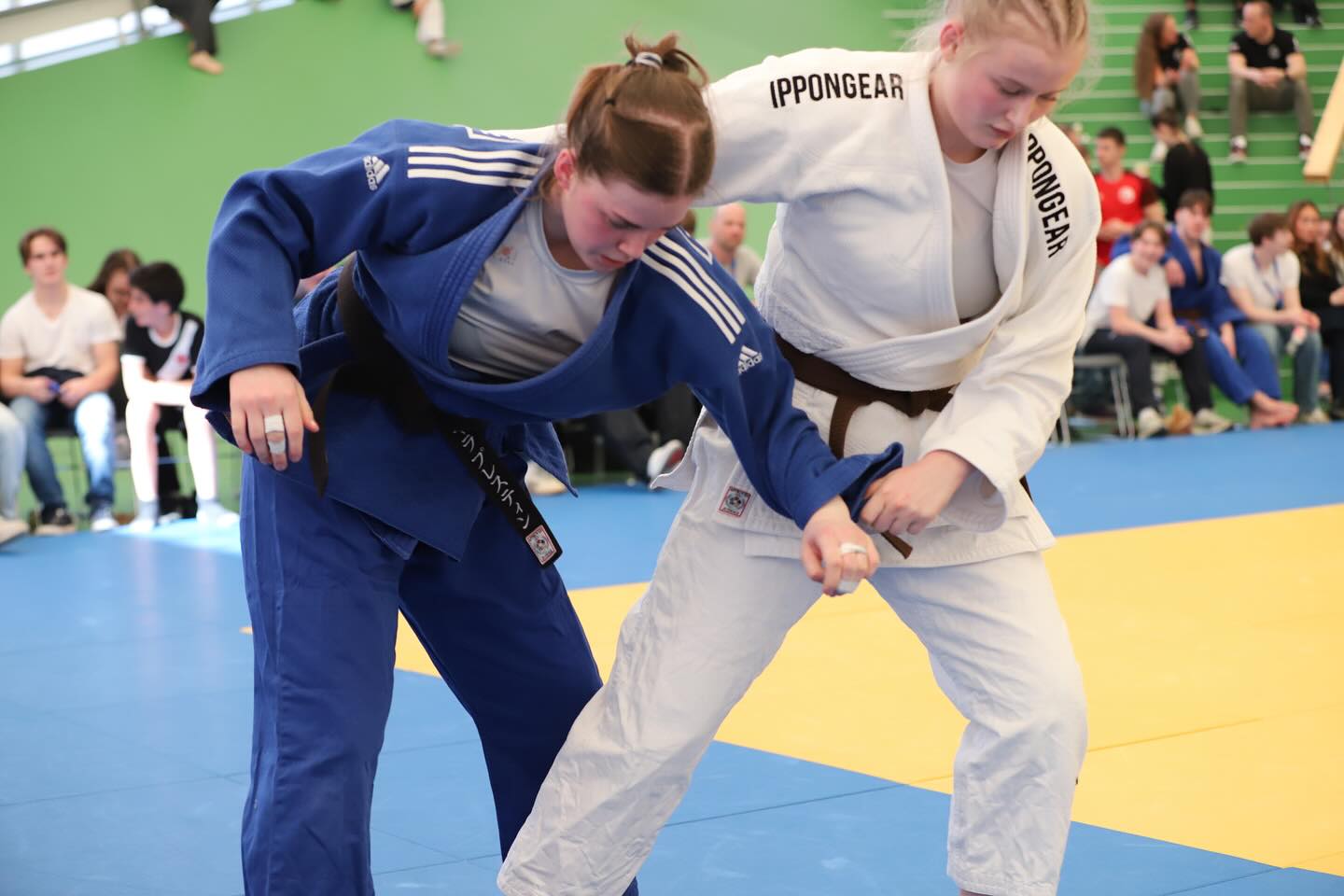
Sometimes the best way to understand a tournament is to look closely at the numbers. Copenhagen Open 2026 recorded 862 competitors and 1,455 matches. The largest category group by competitors was MU18 with 164 entrants, followed by MU15 with 154 and MO18 with 147, showing how strongly the event attracts teenage and adult male divisions. On the women’s side, WU15 had 87 competitors, WU18 had 66 and WO18 had 64. The event also produced 1,131 ippon scores, a striking figure that says something about the attacking mentality on display. Average match time across the tournament was listed at 1 minute 57 seconds, while 82 contests went into golden score.
Those figures reveal a lot. First, the size of the U15, U18 and senior divisions confirms Copenhagen Open’s importance as a development checkpoint for athletes on the path toward stronger continental competition. Second, the high number of ippons suggests that even in a crowded and demanding event, judoka were not merely fighting to avoid mistakes; many were looking to impose themselves decisively. Third, the number of golden score matches hints at the other side of the equation: while many contests ended early, plenty were also finely balanced, technically tense and decided by margins of timing, grip and composure.
Four tatami, livestreamed to a wider audience
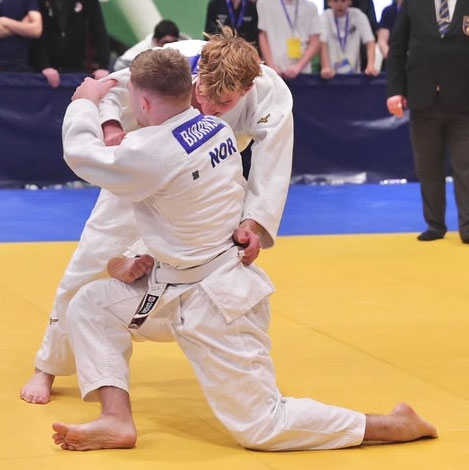
One of the more modern features of Copenhagen Open is the way it extends beyond the venue itself. The organisers promoted free livestreams from all mats throughout the whole tournament, and the official livestream page also allowed viewers to search for judoka, clubs and categories in order to rewatch specific matches. In practical terms, that means parents, teammates and supporters who could not travel were still able to follow the action closely. In a sport where so many youth events remain visible only to those physically in the hall, that kind of openness adds real value.
It also helps shape the atmosphere. Even before the event, Copenhagen Open’s social media channels leaned into this sense of anticipation, encouraging athletes to tag their moments under #copenhagenopen2026 and highlighting volunteers, preparation work and the camp experience. The message was clear: this was not meant to feel like a closed tournament, but like a shared Easter meeting place for the wider judo community.
Landvetter Judoklubb – a Swedish team effort that stood out
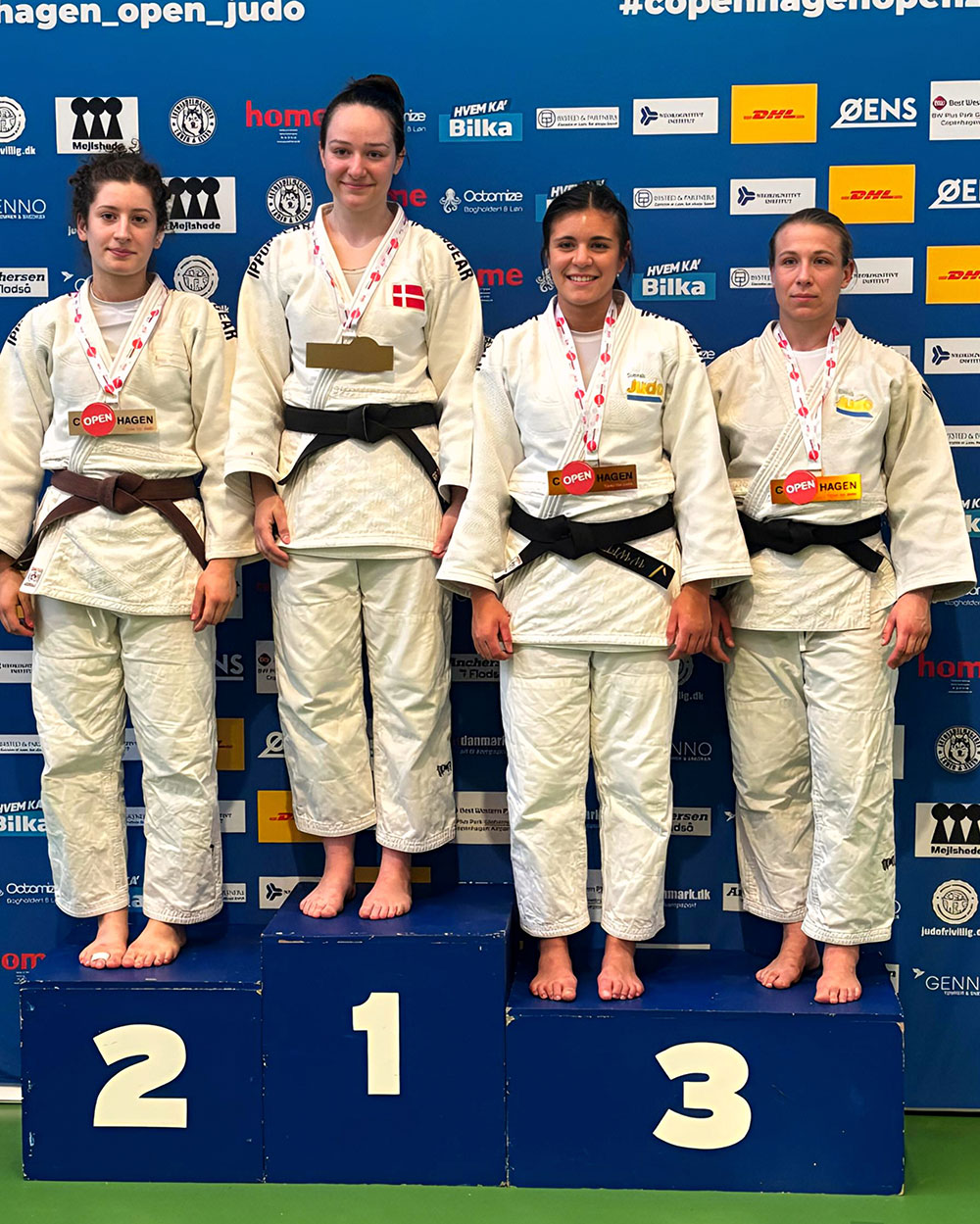
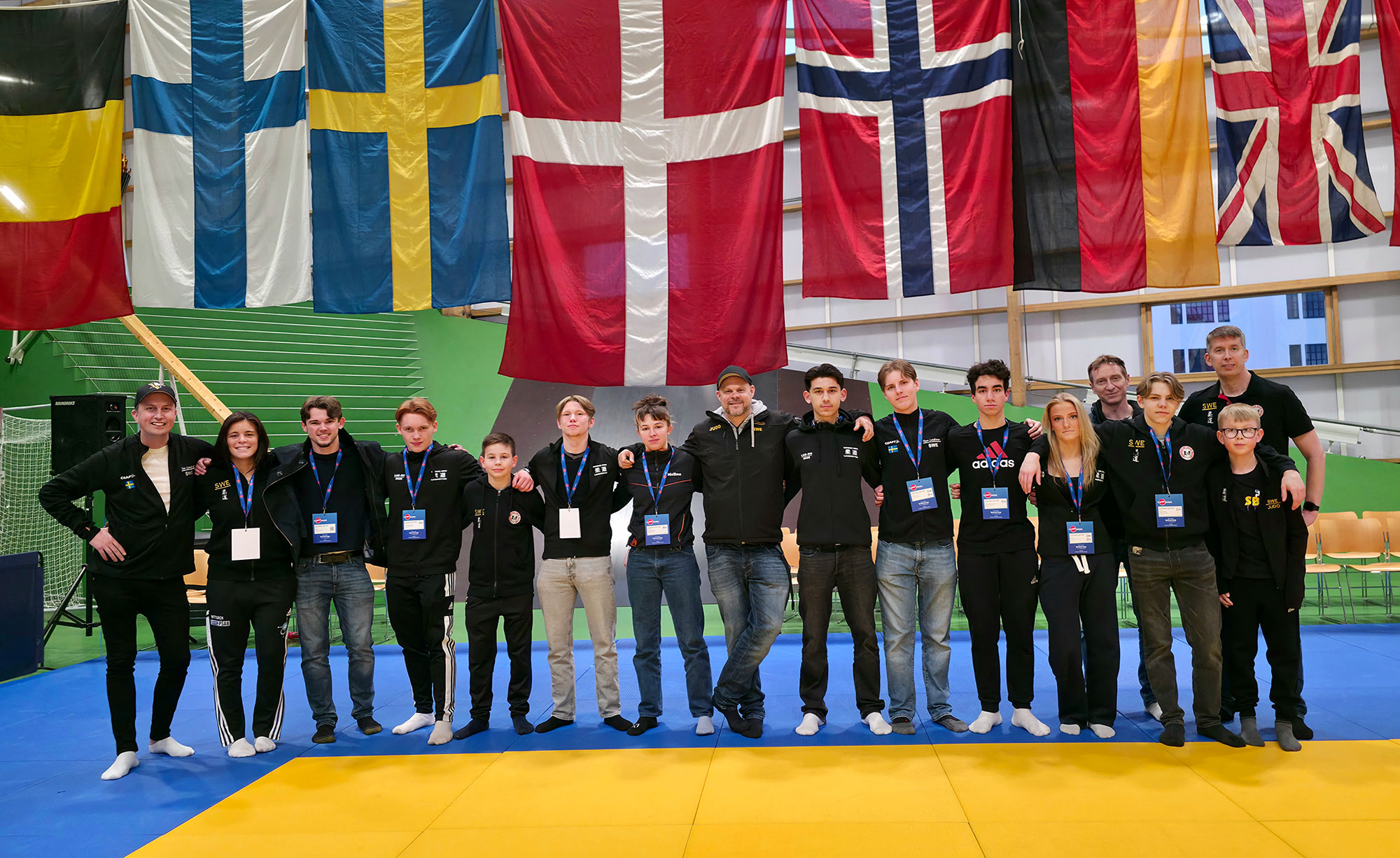
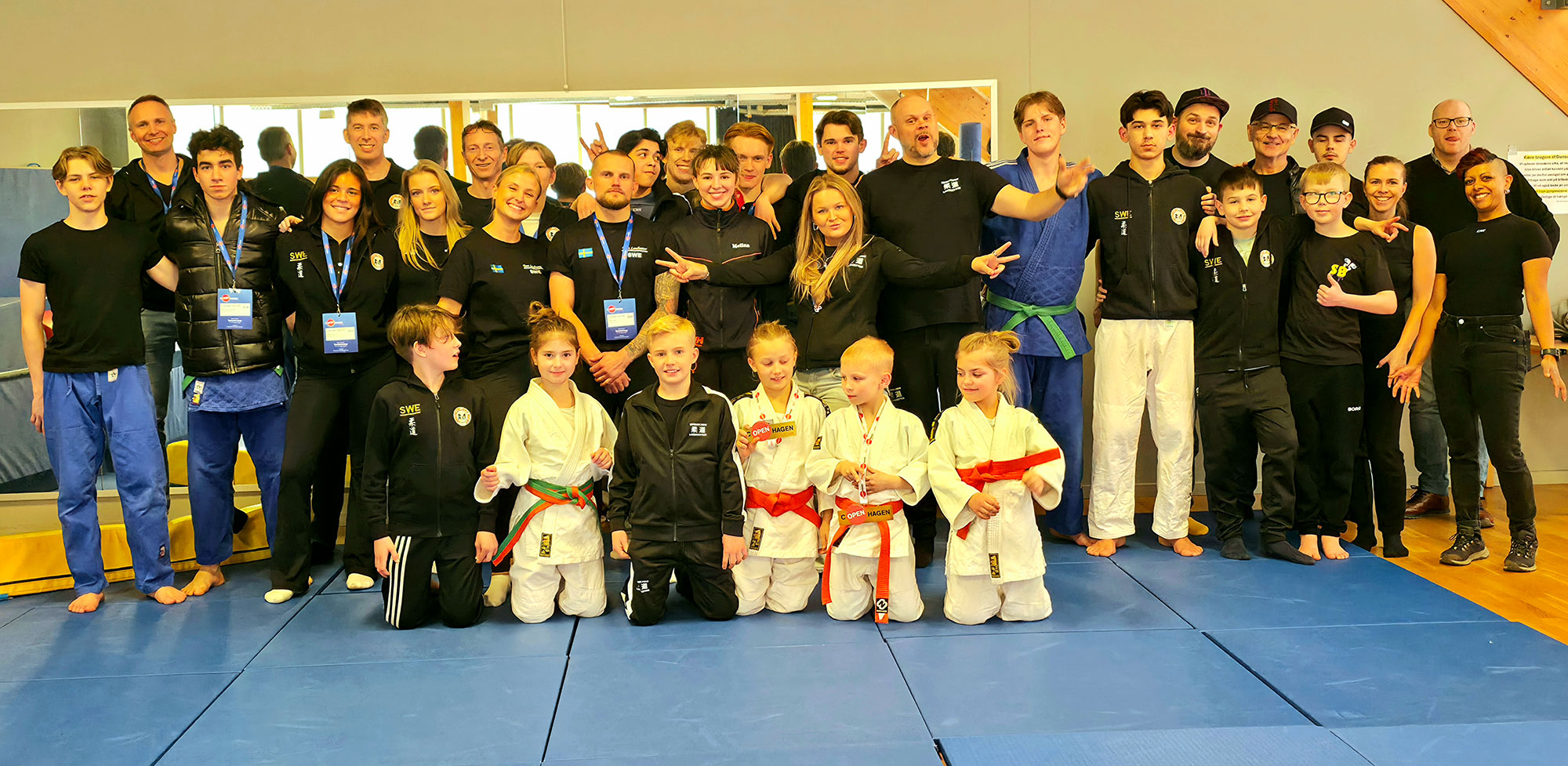
Among the Swedish clubs visible around the event, Landvetter Judoklubb offered one of the most striking examples of what tournaments like this can mean beyond the medal table. Ahead of the competition, the club described Easter in Denmark as the best way to celebrate the holiday and announced a large travelling delegation including judoka, coaches, assistant coaches and a wide supporting cast of parents and organisers. After the tournament, Landvetter reflected on arriving with around 50 people — judoka, coaches, parents, grandparents, siblings and friends — and framed the weekend as a reflection of the culture they are building together, on and off the tatami.
That social-media message captured something essential about Copenhagen Open. For strong clubs, these international trips are not only about individual bouts. They become club journeys, identity-building weekends and shared memories that deepen belonging. Landvetter’s account was full of gratitude — toward organisers, volunteers, opponents and their own support network — and it offered a vivid reminder that youth and club judo thrive when competition is embedded in community.
On the sporting side, Landvetter also delivered. According to the club’s own summary and the official results, Hailey Miletic won gold in WU10 -32, Oscar Mattsson earned bronze in MU10-27. Alma Wiik took silver in the WU18-48 division, Felicia Granudd earned silver in the womens senior ranks, while Liam Hedendahl (MU15-66), Wilda Wittgren (WO18-70) and Hugo Gustafsson (MO-81) each collected bronze medals. The official medal table placed Landvetter Judoklubb 20th overall with 1 gold, 2 silver and 4 bronze medals from 22 competitors, a strong return in a field of this depth.
Swedish presence beyond one club
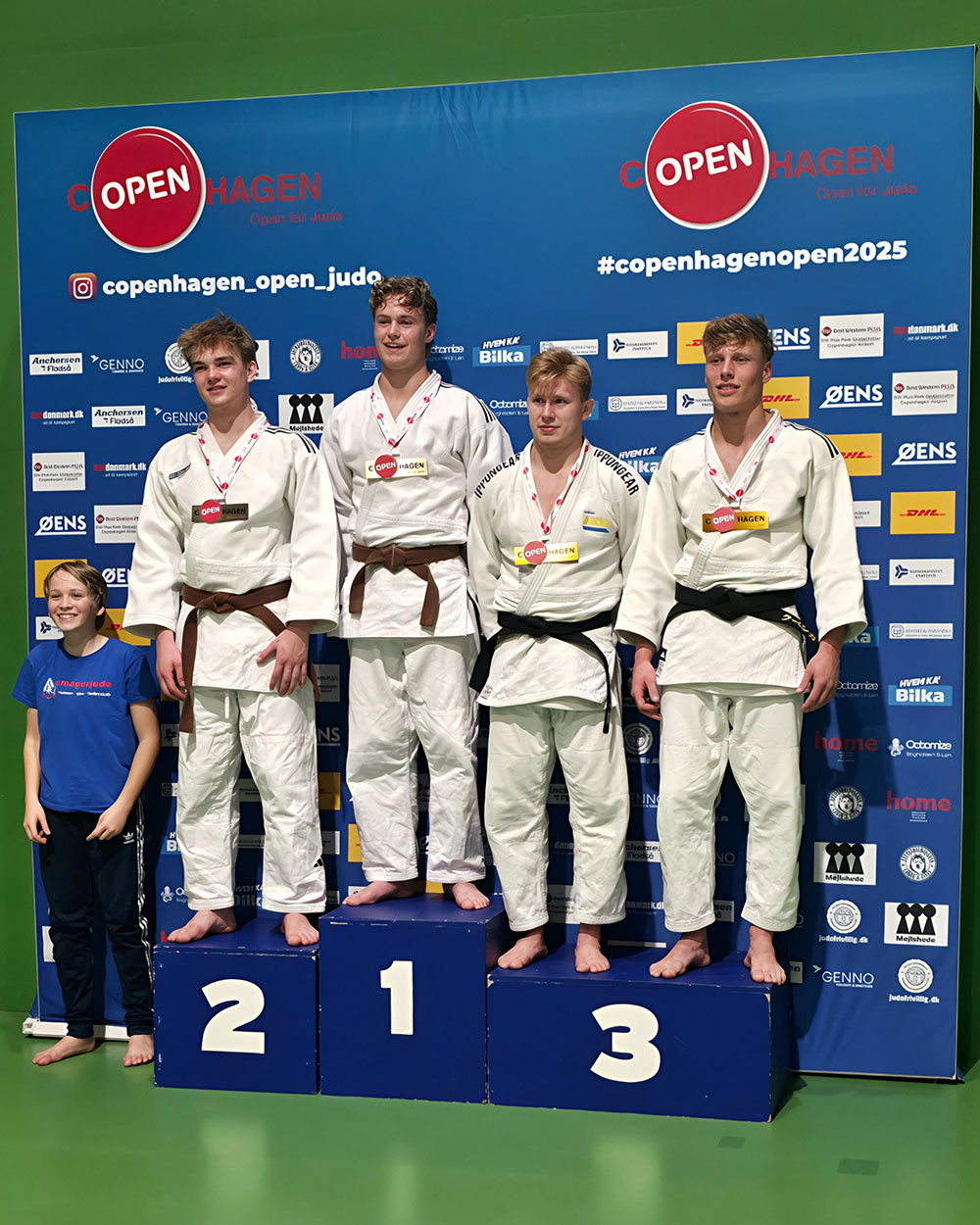
Landvetter was not the only Swedish club to leave a mark. The official medal standings show Staffanstorps Judoklubb finishing 16th with 1 gold, 4 silver and 6 bronze medals, while Uppsala Judoklubb, Trollhättans Judoklubb, Solna Judoklubb, Frövi Judo, Mariestads JK, Gävle Judo Club, Kristianstad Judoklubb and others also reached the podium table. The competitor listing similarly shows a broad Swedish presence across age groups, suggesting that Copenhagen Open continues to function as an important spring test for clubs across southern and central Sweden in particular.
That Swedish footprint is no surprise. Copenhagen offers a rare combination of high-quality opposition, manageable travel, and a strong enough event identity to make the journey feel significant. For Swedish athletes who need international experience but are not necessarily travelling to the biggest IJF or EJU events, Copenhagen Open occupies a useful middle space: demanding, international, intense — but still close enough to feel accessible.
International depth and a serious medal race
A glance at the medal table shows just how competitive the event was. Germany’s JG Sachsenwald topped the standings with 6 gold, 3 silver and 6 bronze medals, followed by Bushi Arnhem of the Netherlands with 6 gold, 2 silver and 1 bronze. T.H.-Eilbeck e.V. from Germany, Judoteam Groningen from the Netherlands, and Oststeinbeker Sport Verein also featured near the top. Host club Amager Judo Skole placed seventh with 2 gold, 3 silver and 1 bronze from 32 competitors, an impressive showing for the organisers amid the demands of running a tournament of this size.
The breadth of successful clubs mattered as much as the top line. This was not an event dominated by one country or one powerhouse programme. Instead, it looked like what a healthy international open should look like: multiple nations, many clubs, many pathways to success. That competitive mix makes every podium meaningful, especially for younger athletes learning how to navigate styles that differ from what they see at home.
Why the camp matters so much
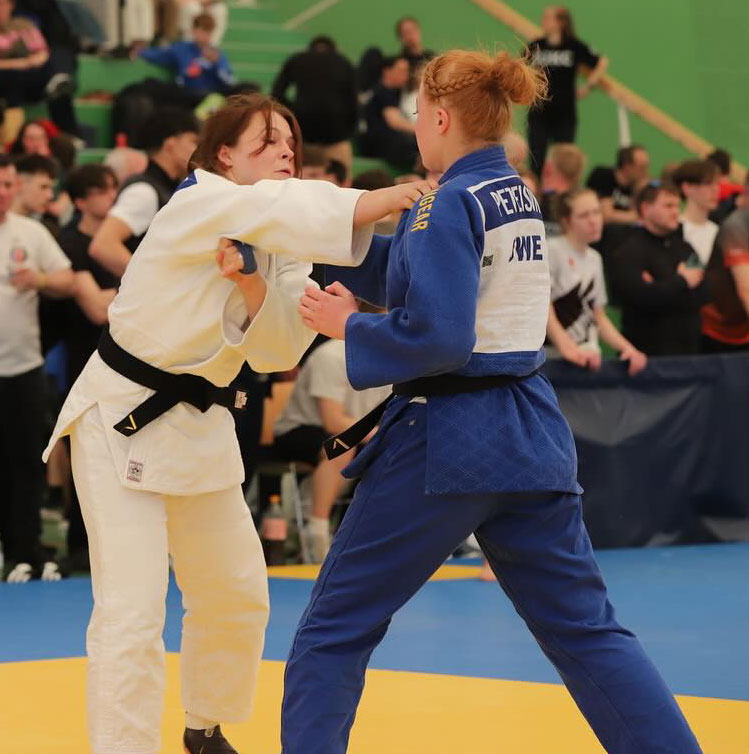
For many judoka, the medals are only half the value of the weekend. The randori camp on April 5 and 6 is central to Copenhagen Open’s identity. Official event information repeatedly positioned the tournament and camp as a single combined experience, and social posts emphasised not only the competition but also the importance of good randori and bringing friends to camp. That matters because camp days often turn competitive disappointment into technical growth. A judoka who lost in the first round on Friday may still leave Copenhagen on Monday feeling the trip was deeply worthwhile.
This is where the best open tournaments distinguish themselves. The bracket gives athletes a result. The camp gives them repetition, adaptation and learning. In randori, they meet the same diversity of grips, movement patterns and tactical habits that made the tournament challenging in the first place — but without the pressure of elimination. That is particularly valuable for U15 and U18 athletes, the very groups that were so strongly represented in Copenhagen this year.
Volunteers, logistics and the human side of the event
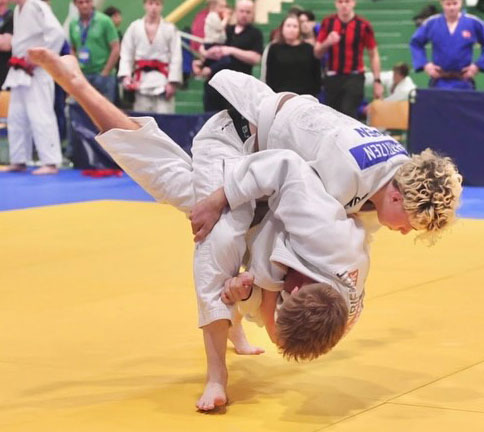
No event of this scale works without infrastructure, and Copenhagen Open’s social media gave visibility to that part of the story as well. Posts highlighted volunteers helping prepare Prismen and the event’s media team encouraging clubs and athletes to share their moments. The official information page also laid out practical details on transport, parking, food, weigh-ins, rules, medal ceremonies and registration changes with unusual clarity. For travelling clubs, such transparency is not a minor detail; it is one of the reasons a tournament earns trust.
There is something distinctly modern about that. Great judo events are still built on timeless things — bows, grips, throws, discipline, effort — but they are now also shaped by communication, visibility and organisation. Copenhagen Open appears to understand that balance well. It keeps the martial essence of judo intact while using digital tools and strong event management to make participation smoother and more attractive.
An Easter tradition that keeps growing
Held every Easter, Copenhagen Open has carved out a special niche in the annual rhythm of Nordic and northern European judo. The timing gives it character. For many families, clubs and young athletes, the event turns a holiday weekend into something active and memorable. It is competitive, certainly, but it also feels social and seasonal — a recurring meeting point that people begin planning for well in advance. The official event messaging leaned into that identity, presenting Copenhagen Open not just as another tournament, but as a yearly destination.
That identity is probably one reason the event has lasted and grown since 2011. Sustained martial arts events do not survive on quality alone. They survive because they become traditions. They create expectation. Clubs know what they are going to get, athletes want to come back, and new competitors hear enough positive stories to make the trip themselves. Copenhagen Open has clearly reached that level.
More than results
In the end, Copenhagen Judo Open & Camp 2026 was about more than podium places, though there were many of those. It was about a city hosting one of the region’s strongest judo meetings. It was about 862 competitors testing themselves in 1,455 matches. It was about four tatami running through a packed Easter programme. It was about Swedish clubs like Landvetter and Staffanstorp measuring themselves internationally, Danish organisers proving once again that they can deliver, and athletes from across Europe using both tournament and camp to sharpen their game.
Most of all, it was about the kind of atmosphere that keeps people in judo for the long term: intensity without hostility, ambition without losing the sense of community, and competition that flows naturally into shared training. Copenhagen Open & Camp 2026 offered all of that. For some, the memory will be a gold medal. For others, a tough loss, a new friendship, a hard randori round, or simply the experience of being part of a big international judo weekend in Copenhagen. That, perhaps, is why the event continues to matter. It gives athletes not only a result, but a reason to come back.
Copenhagen Open 2026 – International Judo Tournament & Camp
Copenhagen Judo Open & Camp Facebook
Copenhagen Judo Open & Camp Instagram
Sörmlandsträffen 2026 in Oxelösund – a topclass judo weekend
Visa detta inlägg på Instagram
Visa detta inlägg på Instagram
Visa detta inlägg på Instagram
Visa detta inlägg på Instagram
Visa detta inlägg på Instagram