

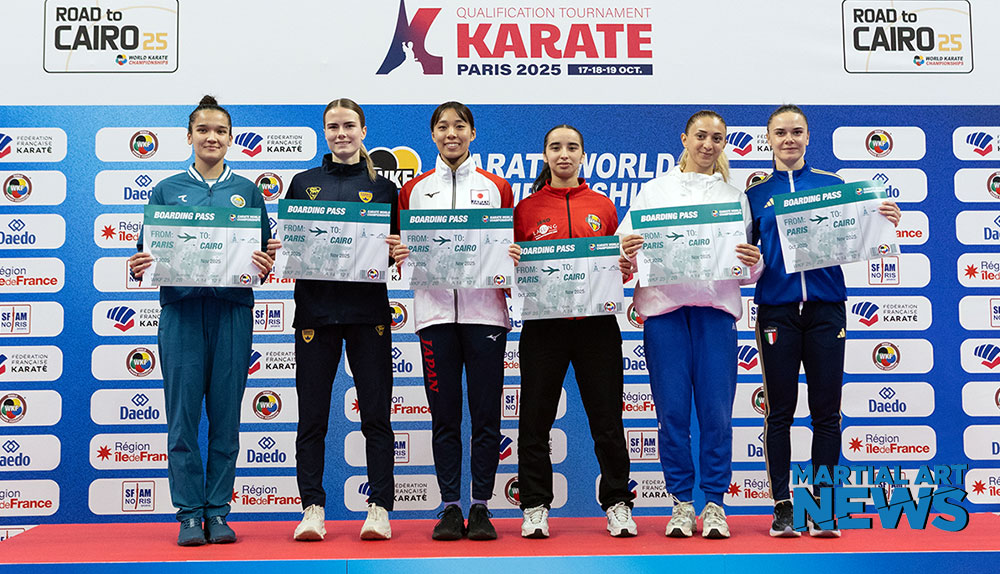

The global karate community’s focus was fixed on Paris between 17–19 October 2025 as the World Karate Federation (WKF) held its Senior World Championships Qualification Tournament, the final step to secure places for the Individual World Senior Championships later this year in Cairo.
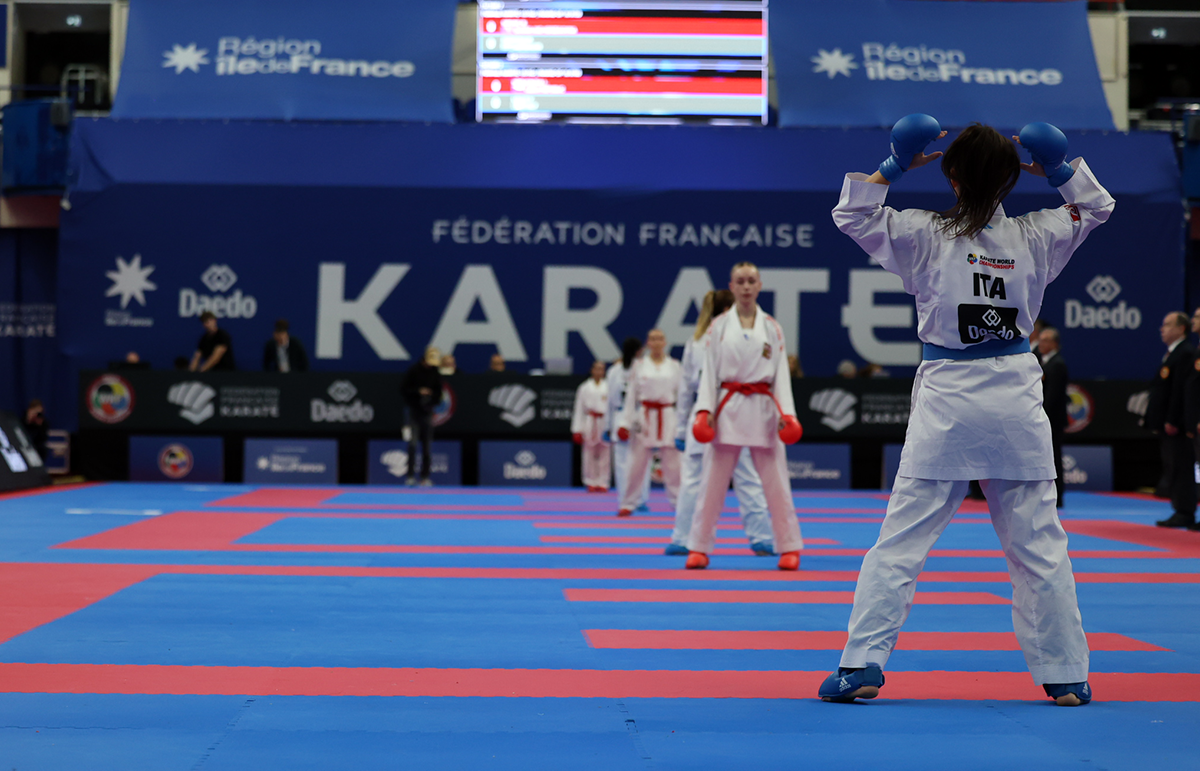
This event offers a dramatic showcase: high-stakes, elite athletes, and the last chance to earn a ticket to the world stage.
As the WKF officially noted, “Historic Day in Paris: 24 Karatekas Win Tickets to Cairo 2025 at Memorable Karate World Championships Qualifier.”
Setting the Scene
Paris played host to one of the most consequential tournaments of the year for karate. According to the WKF calendar, this qualification phase is mandatory for athletes aiming to compete in the Individual World Senior Championships Final Phase in November.
Over three intense days, competitors from across the globe contested for limited quota places in their respective categories. Every match carried weight: not just for medals or prestige, but for the chance to line up in Cairo, which adds a strategic layer and pressure that few events bring.
Format and Stakes
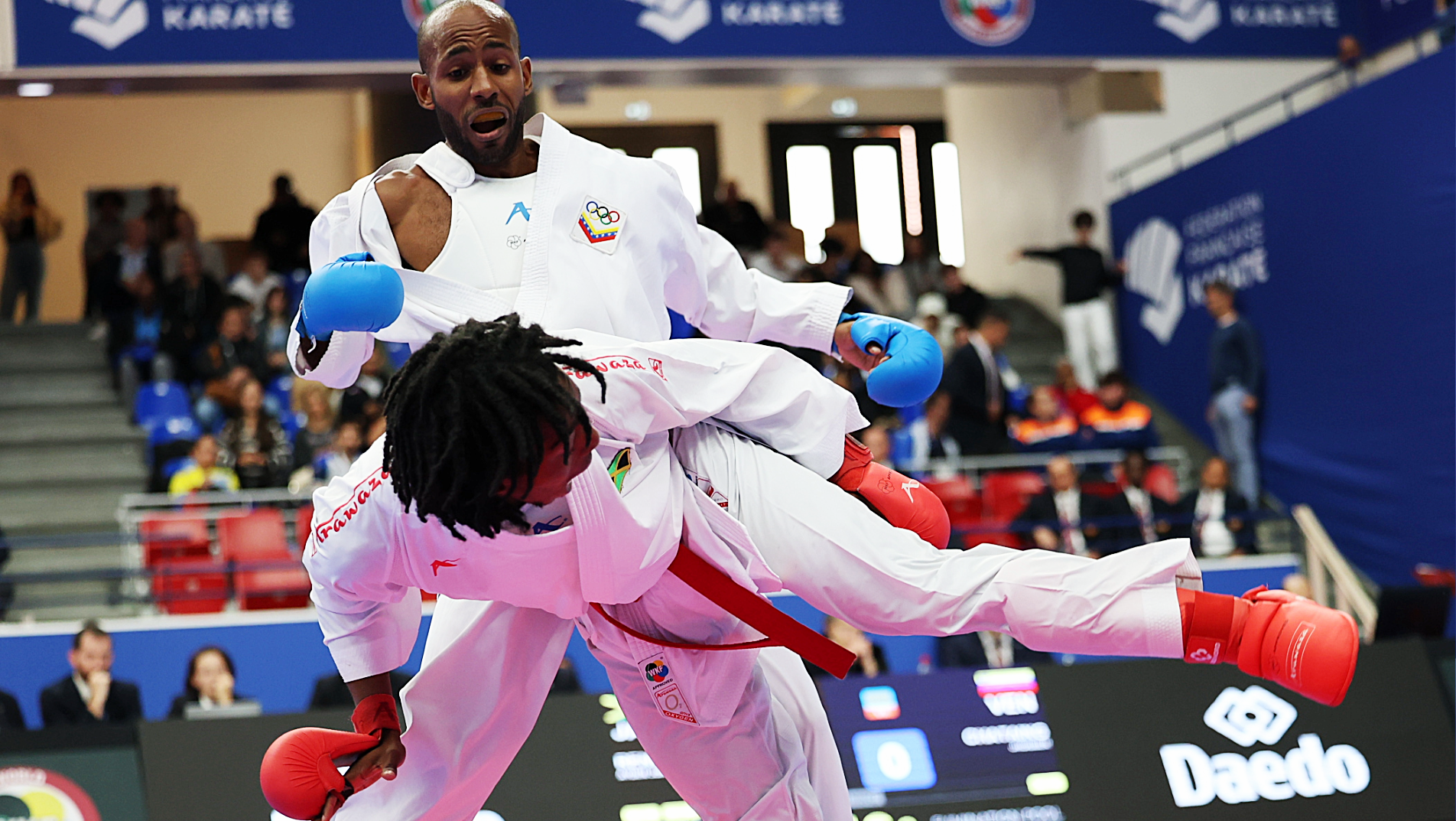
The tournament’s structure adhered to the WKF’s competition system: group or pool rounds followed by knockout rounds, with the outcome determining who would fill the quotas for the World Championships. The Paris event was effectively the last qualifying gateway.
The atmosphere was electrified by the fact that in many categories only eight spots remained available for the final phase — making every point, every attack, every decision critical. As one pre-event note put it: “In Paris, only 8 spots per category will earn the ticket to Cairo 2025. The Last Strike starts now.”.
Key Storylines and Highlights
-
Global Depth: With athletes from traditional powerhouses and rising nations in attendance, Paris reinforced how wide and deep the talent pool in karate has become.
-
High Stakes, High Pressure: The fact that this competition stands between an athlete and the World Championships added an extra layer of mental intensity.
-
Tactical Battles: Some competitors entered with the singular objective of qualifying, balancing risk versus reward; others with final-phase ambitions in mind.
-
Host Nation Impact: France, as the host of this phase, brought an experienced delegation and the added advantage of home crowd support, which may well have influenced key bouts.
-
Milestone Moments: The WKF celebrated the event as historic, emphasising the fact that 24 athletes had secured their tickets in one day in Paris.
Women in Karate – Paris Conference
In conjunction with the tournament, the WKF hosted a dedicated conference on gender equality titled “Women in Karate”, designed to push forward the agenda of greater female participation, inclusion and leadership within the sport.
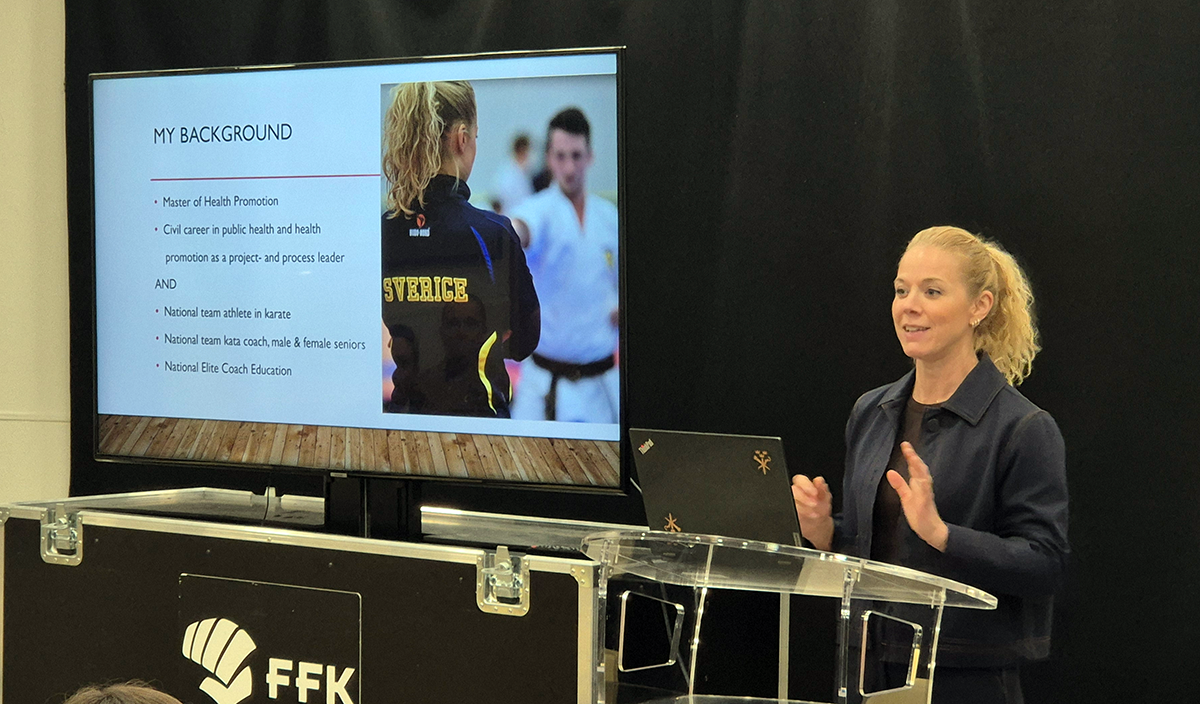
The seminar brought together athletes, coaches, administrators and advocates to discuss concrete steps: enhancing female representation in coaching and officiating, breaking down barriers for women in kata and kumite, promoting role models and ensuring equal access to training and competition opportunities.
The message was clear: as karate evolves towards its Olympic ambitions and beyond, gender equality is not optional – it is central.
This conference was emblematic of the wider strategic orientation of the WKF: developing the sport not just in tournaments, but through inclusive governance and empowerment of all its members.
Improvement of Coaching Standards & Progress of Coaches’ Education
Another significant thread of the Paris week was the focus on upgrading coaching infrastructure across the global karate community. Through the Technical Commission meeting, the WKF underscored the need for enhanced coach education, certification and ongoing professional development.
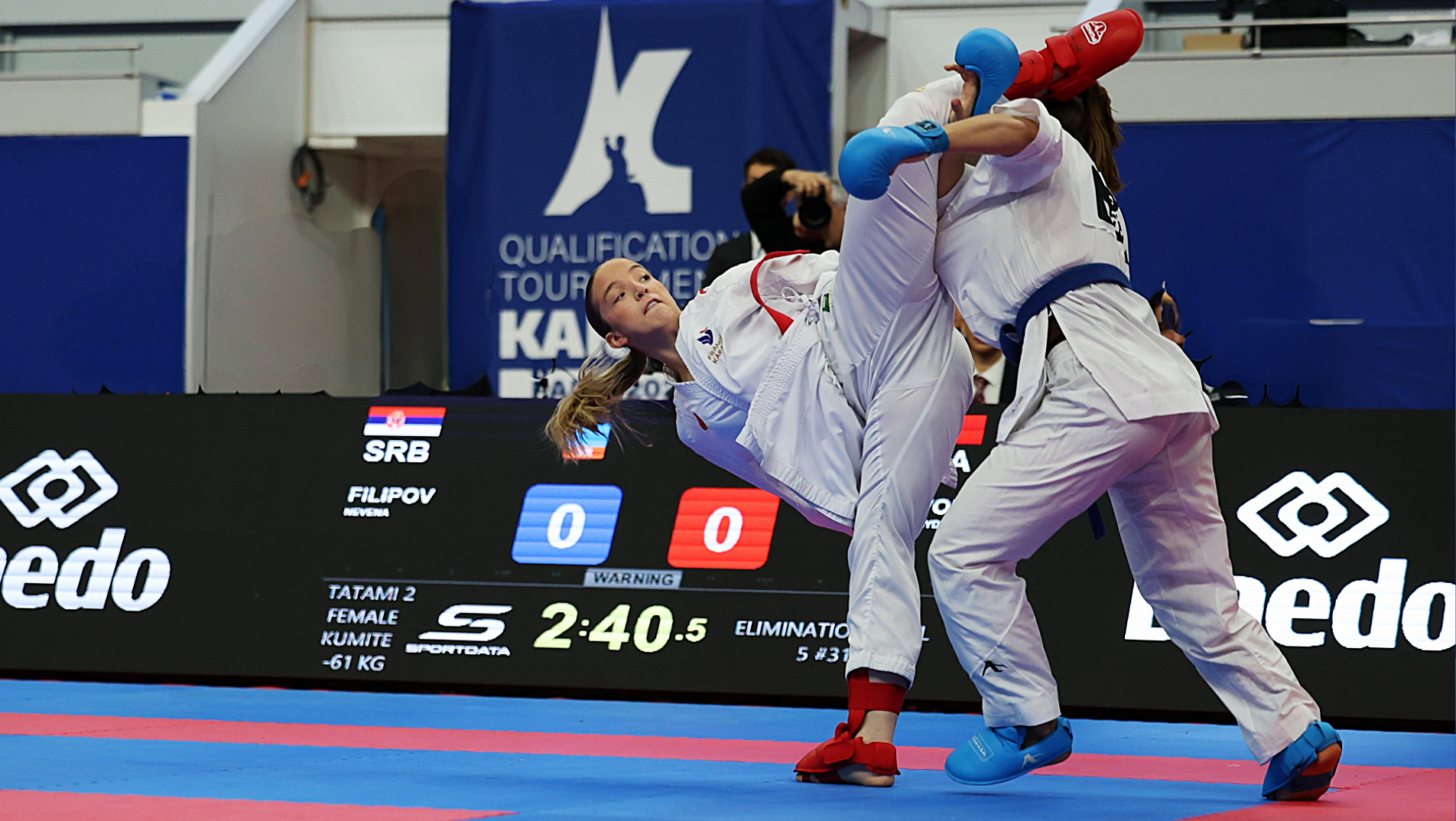
The updated Coaching Regulations stipulate clear licence levels: Accredited Coach (ACRC), Certified Kumite or Kata Coach (KUM/KAT), and Coach (KAR). Among other requirements, the regulations emphasise e-learning, annual event participation, and adherence to Safe Sport, anti-doping and ethics frameworks.
In Paris, the discussions went beyond paperwork: how to embed modern sports science, mental skills, nutrition, injury prevention and analytics into coaching practice so that athletes are not only prepared technically, but holistically. This reflects a broader global trend in martial arts coaching—where coaches become multifaceted performance architects rather than just technique instructors.
The WKF Entourage Commission Meets in Paris
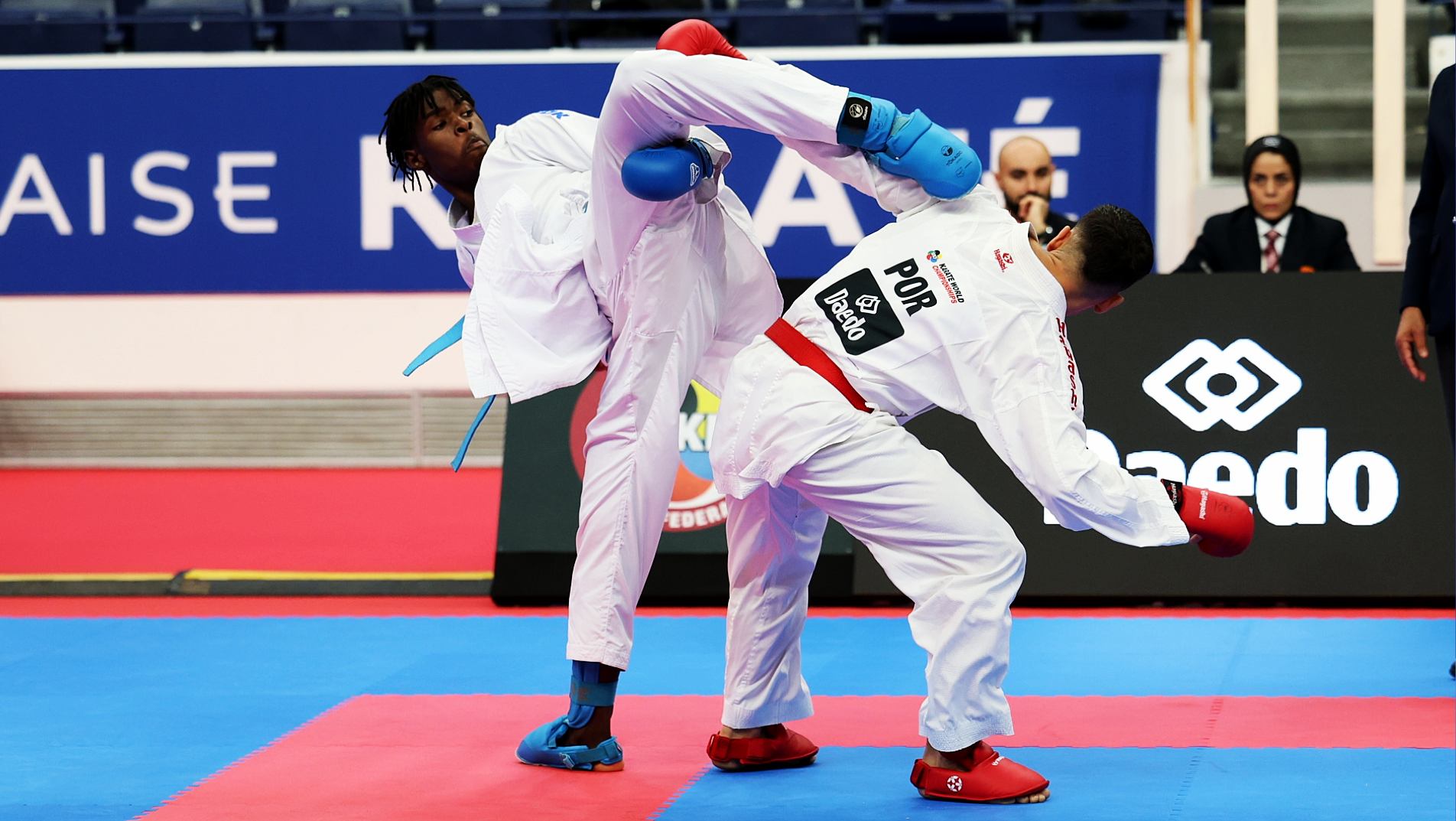
Furthermore, the WKF’s Entourage Commission convened in Paris alongside the qualification tournament, signalling a broader commitment to athlete wellbeing and holistic support systems. As the federation tweeted: “Entourage Commission Meets in Paris to Boost Athlete Wellbeing.”
This meeting addressed the broader entourage of an athlete—coaches, physiotherapists, psychologists, nutritionists, and support staff—and looked at ways to improve the ecosystem around elite karatekas. The goal: ensure that athletes not only qualify, but thrive sustainably at the highest levels of competition.
Swedish Contingent and Their Performance
Turning to Sweden: for the Swedish karate community, the Paris qualification tournament served as a critical checkpoint. The Swedish Karate Federation (SKF) had nominated several athletes to contend for world-championship places, and while not all achieved quota spots in Paris, the experience provided valuable exposure and benchmark performance data.
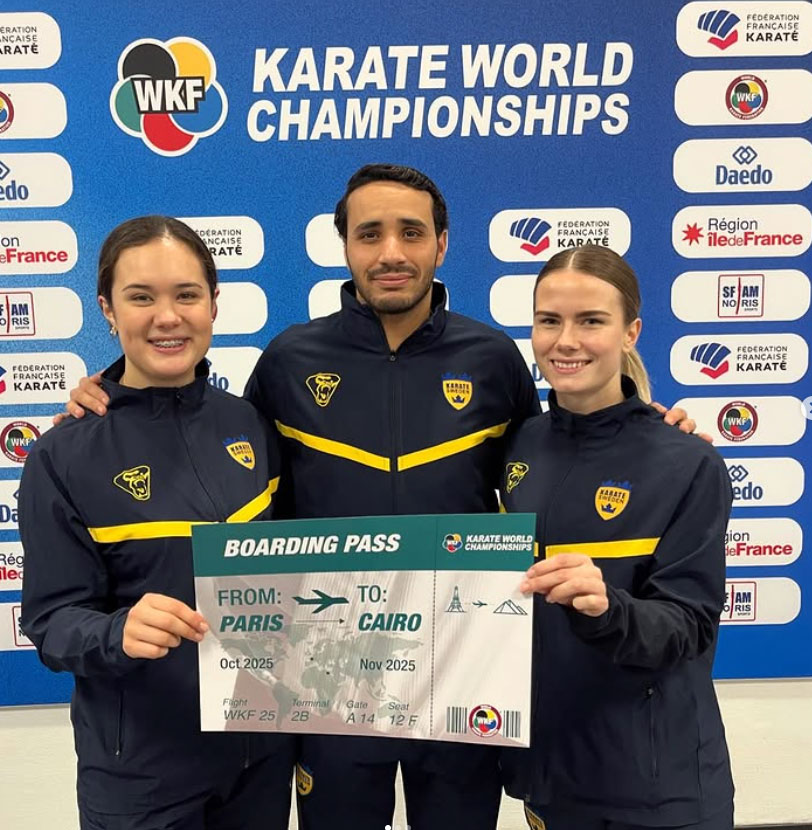
In the end, the Swedish team saw the following five athletes selected for the 2025 World Championships in Cairo: Mia Karlsson – Kata, Anthony Vu – Kata, Matilda Rosenlind – Kumite -55 kg, Anna-Johanna Nilsson – Kumite -61 kg and Sophie Bao Bednarski – Kumite +68 kg.
These selections reflect both past performance and potential, even if their direct qualification may have been through later continental quotas rather than Paris.
At the Paris event, Swedish competitors fought hard but encountered stiff opposition in early brackets. While no Swedish athlete made a podium or primary quota spot in Paris, the bouts highlighted areas for improvement: pacing in elimination rounds, strategic adaptation under pressure, and refining transitions between kata and kumite competition phases. For Sweden, the message is clear: exposure at the high end of the sport charts the path forward; qualification is rarely straight-line, but iterative. The Finnish neighbour’s results, the German and British ones, all contribute to raising the level of domestic preparation in Sweden.
Looking Ahead
The Paris 2025 Qualification Tournament was not only a competition—it was a moment of convergence for multiple strands of karate’s development: athlete performance, gender equity, coaching standards, athlete wellbeing and federation governance. With tickets to Cairo now earned, those who advanced must shift focus to the final phase of the World Championships. For those who fell short in Paris, the learning curve begins now.
For Swedish karate, the path continues: building on what was learned in Paris, targeting the final phase in Cairo and ensuring the next generation is primed to seize their spots. The journey to global medals is incremental—but strengthened by moments like Paris.
For full results, draws and quota breakdowns, follow the WKF’s official listing and visit the event page at WKF.net: World Championships Qualification Tournament – Paris 2025.
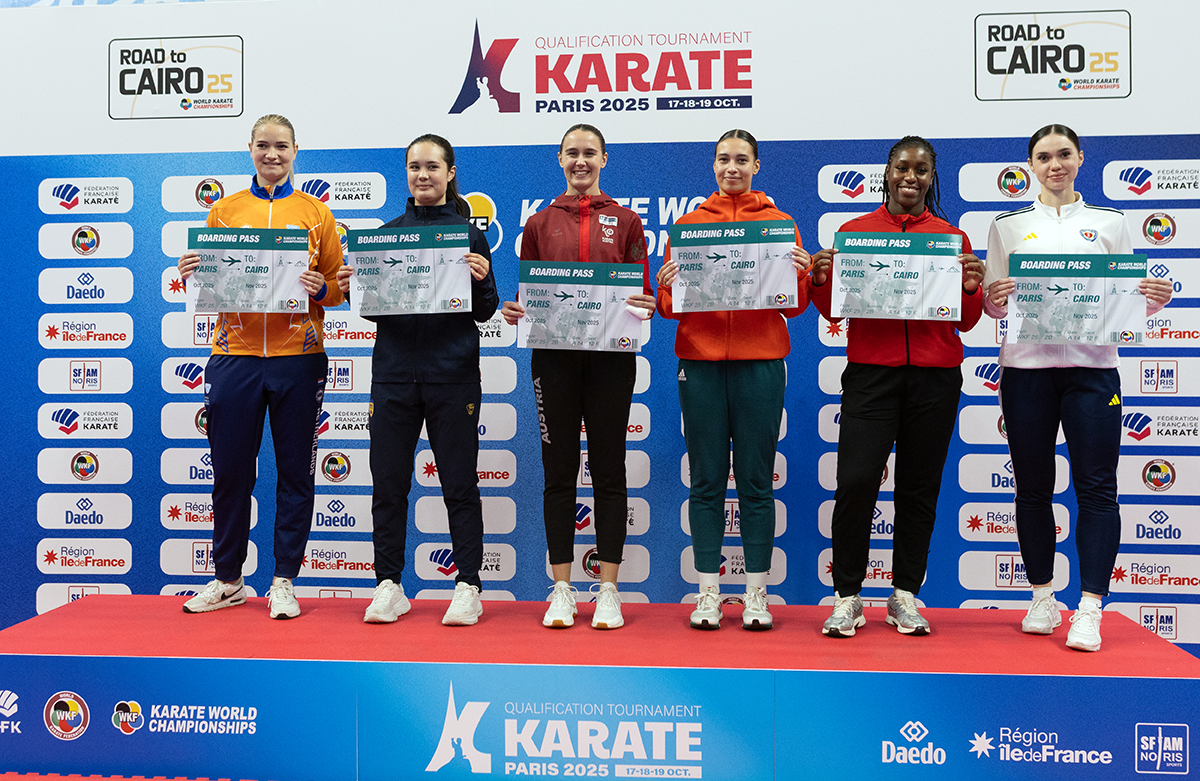
WKF Conference: Women in Karate in Paris Pushes for Greater Gender Equality in Karate – WKF
WKF Conference: Women in Karate in Paris Pushes for Greater Gender Equality in Karate – WKF
Entourage Commission Meets in Paris to Boost Athlete Wellbeing – WKF
Nario Lopes Shocks the Tatamis in Paris to Qualify for Karate World Championships – WKF
WKF Rules and Ranking Commission Reviews Key Updates During Paris Qualification Tournament – WKF
VM-biljetter klara för Sophie Bao Bednarski & Matilda Rosenlind! – Svenska Karateförbundet
Polish Open Karate in Bielsko-Biała Poland October 2025

Comment