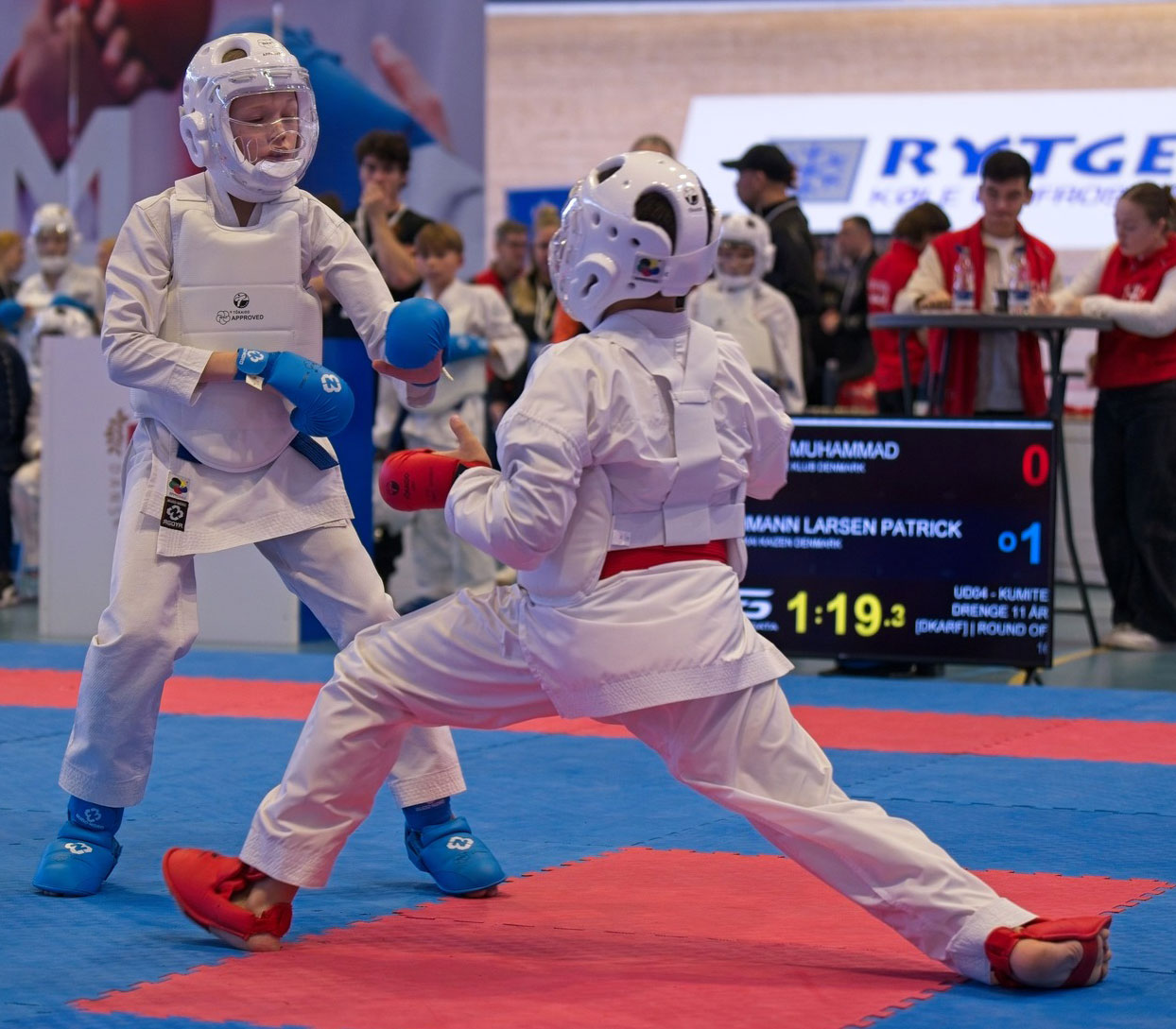



On the weekend of 21–23 November 2025, the Danish karate community was gathered under one roof in a celebration of excellence, heritage and competitive spirit. The Danmarksmesterskaberne i Karate 2025 — Denmark’s National Karate Championships — was held at Ballerup Super Arena in the Copenhagen region.
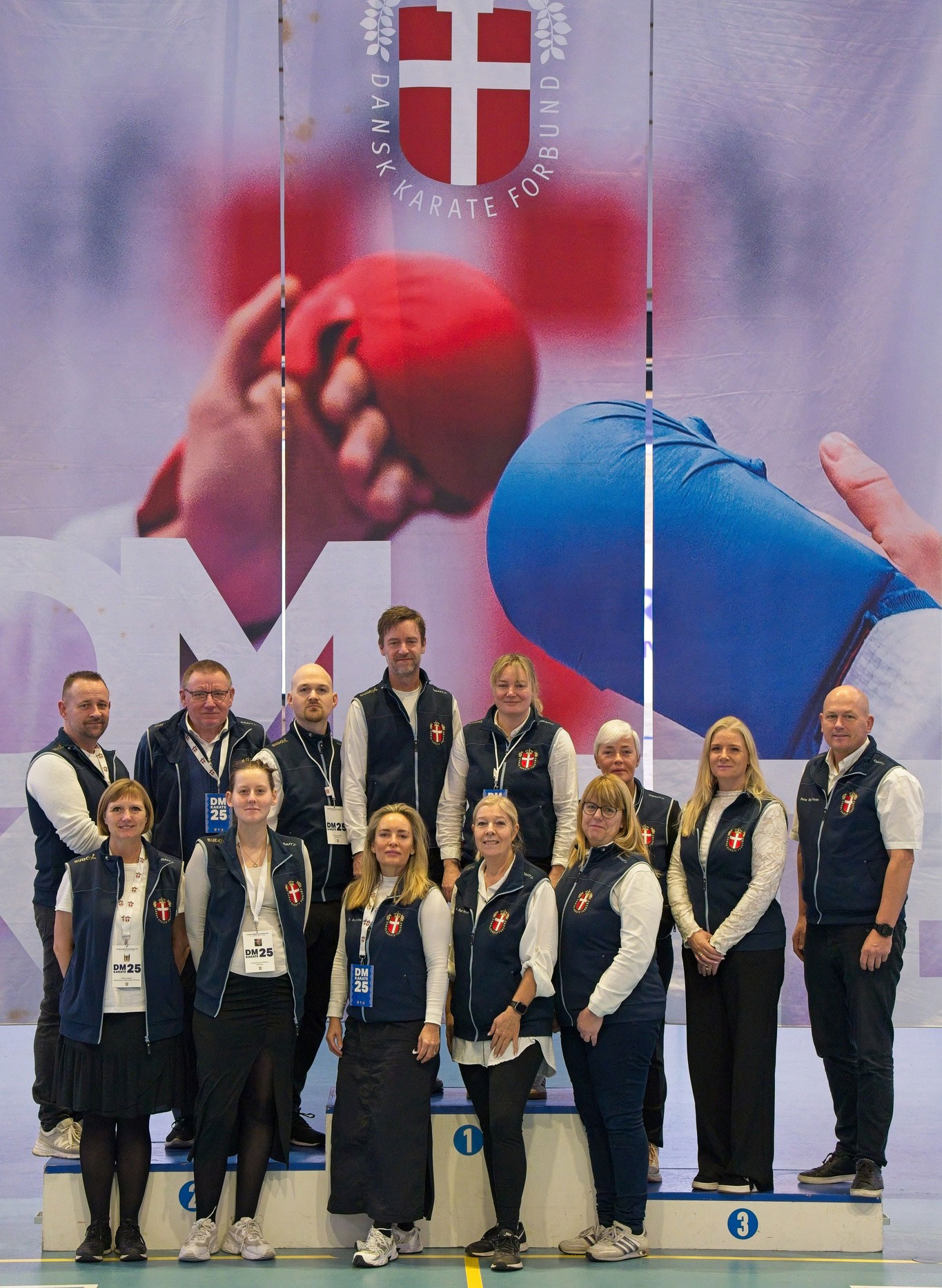
Organised by the Dansk Karate Forbund (DKarF) together with host club Kofukan Karate Klub Ballerup, the event was a major gathering of the sport’s practitioners, coaches, families and supporters.
With 768 competitors from 38 clubs registered to compete in the two main disciplines — kata and kumite — this edition of the championships was one of the most significant in recent years. Over the three-day weekend the event honoured national titles, showcase emerging talent, strengthen club networks and reaffirm the values of karate: discipline, respect, focus and community.
Venue, Schedule & Format
The choice of Ballerup Super Arena reflects the event’s scale and ambition. As the event page notes: “Hele 768 af Danmarks bedste karateudøvere fra 38 klubber samles for at kæmpe om årets mesterskabstitler.” (“All 768 of Denmark’s best karate athletes from 38 clubs come together to fight for this year’s championship titles.”)
The schedule was as follows:
-
Friday 21 November: 17:00–21:00 – Opening day (primarily youth & senior categories)
-
Saturday 22 November: 08:00–19:00 – Full day of youth & senior competition
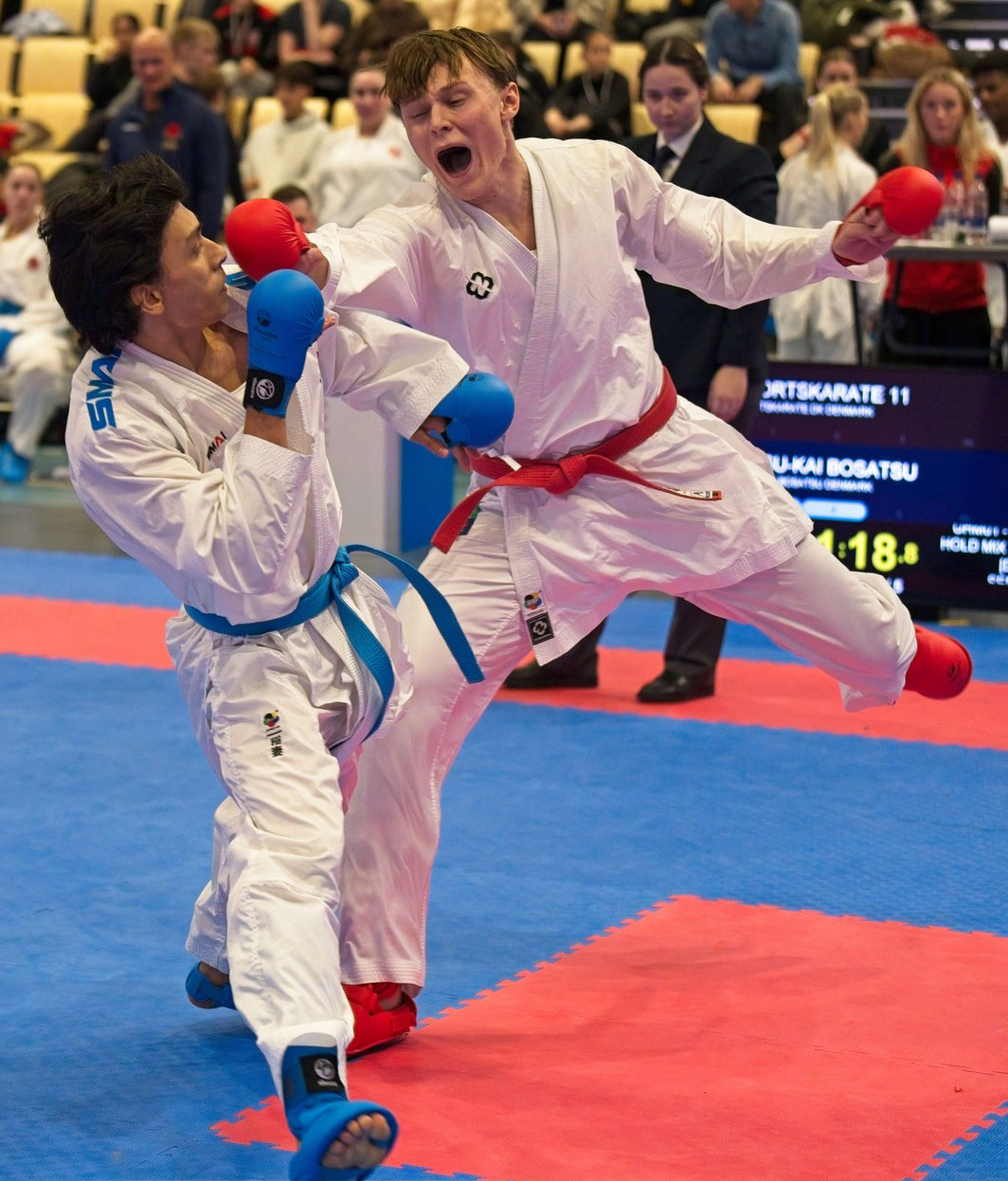
Photo: Stüker Foto og Video @stukerfotoogvideo. -
Sunday 23 November: 08:00–15:00 – Children’s categories and medal finals
The event synopsis emphasises both competition and celebration: “Weekenden bliver en fejring af intensitet, disciplin og fællesskab i karatens ånd.” (“The weekend will be a celebration of intensity, discipline and community in the spirit of karate.”)
The format includes two core disciplines: -
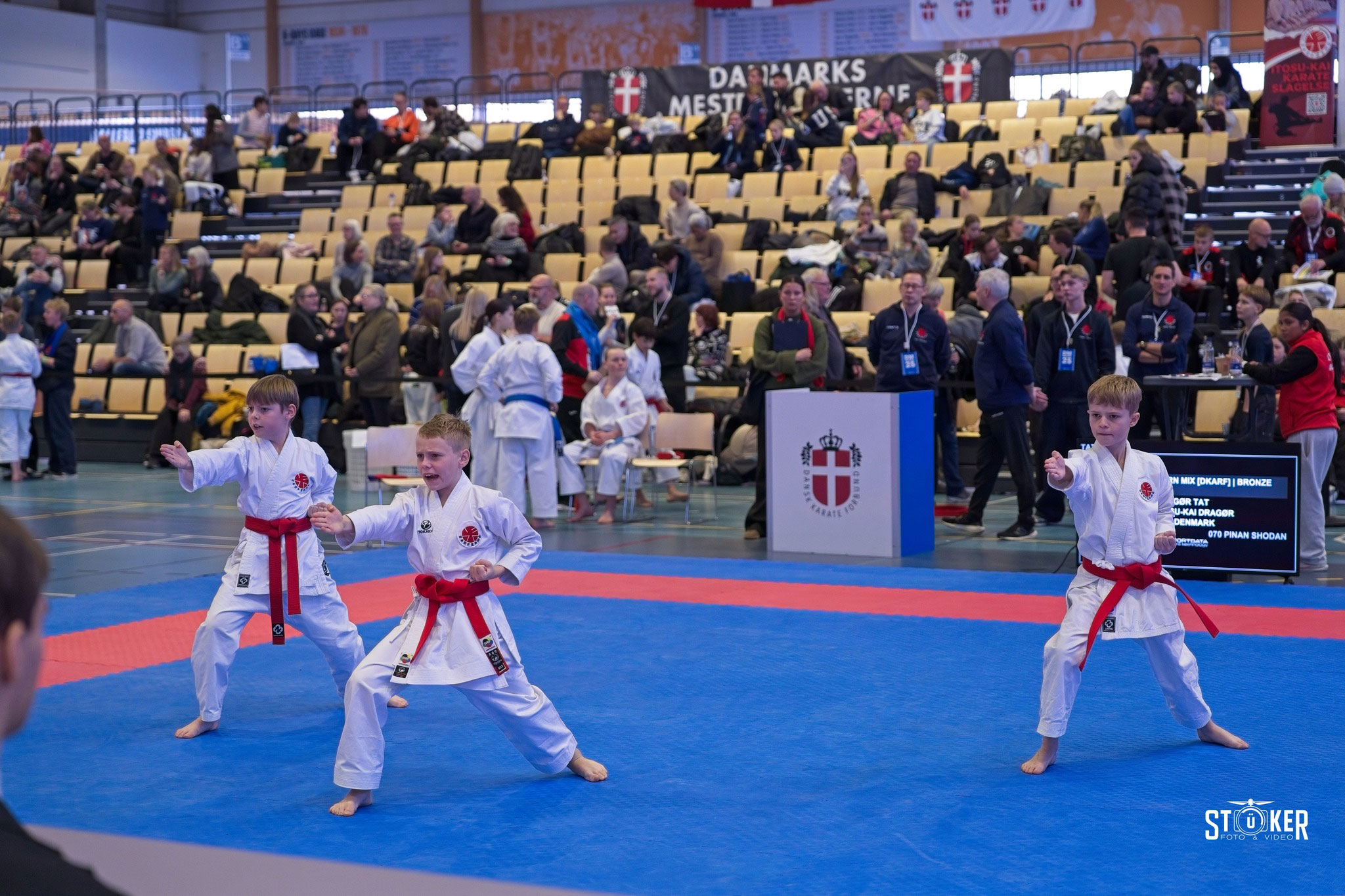
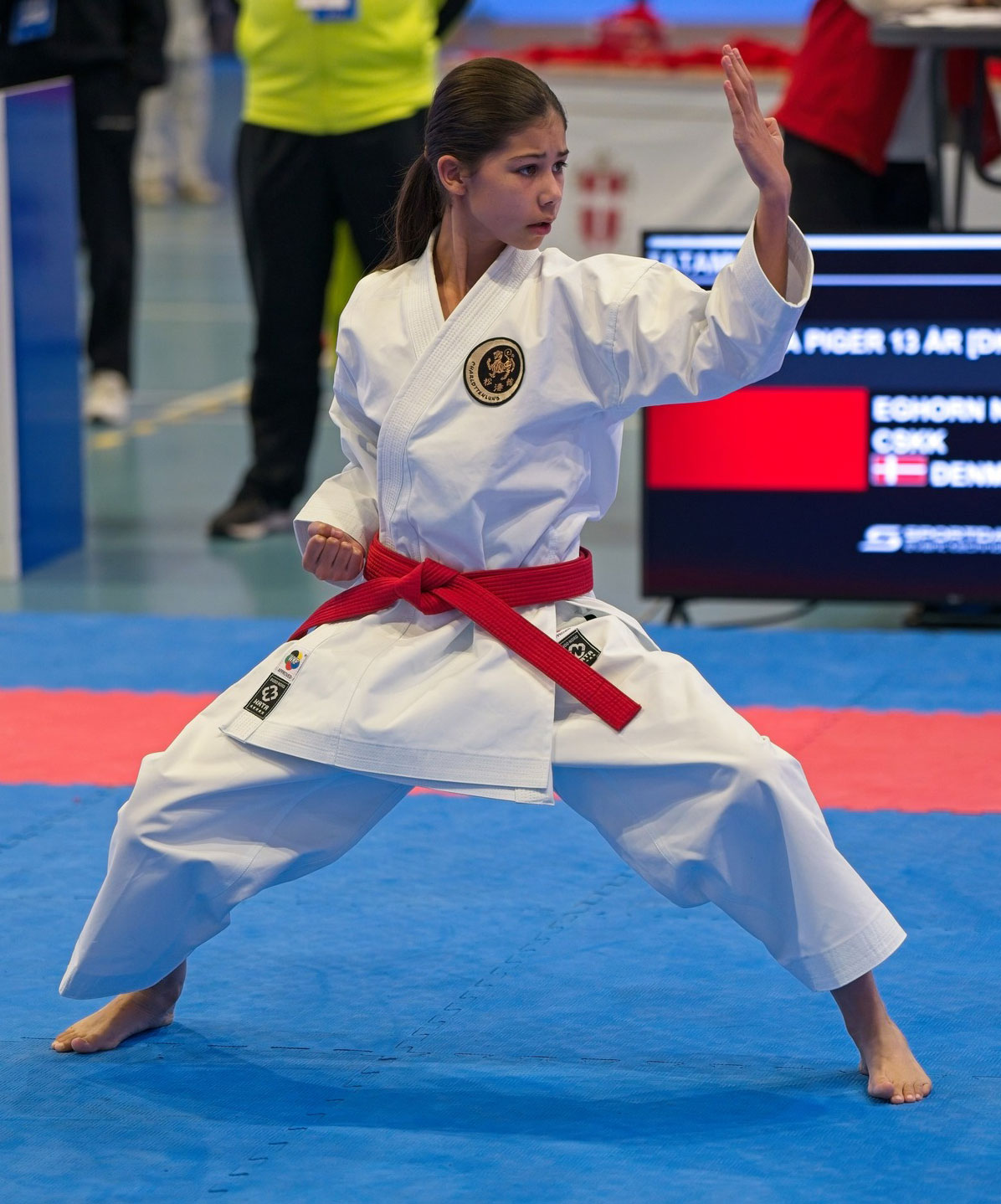
Kata – A solo performance of set sequences of techniques (kicks, strikes, blocks, stances) to simulate combat against multiple opponents from different directions.
-
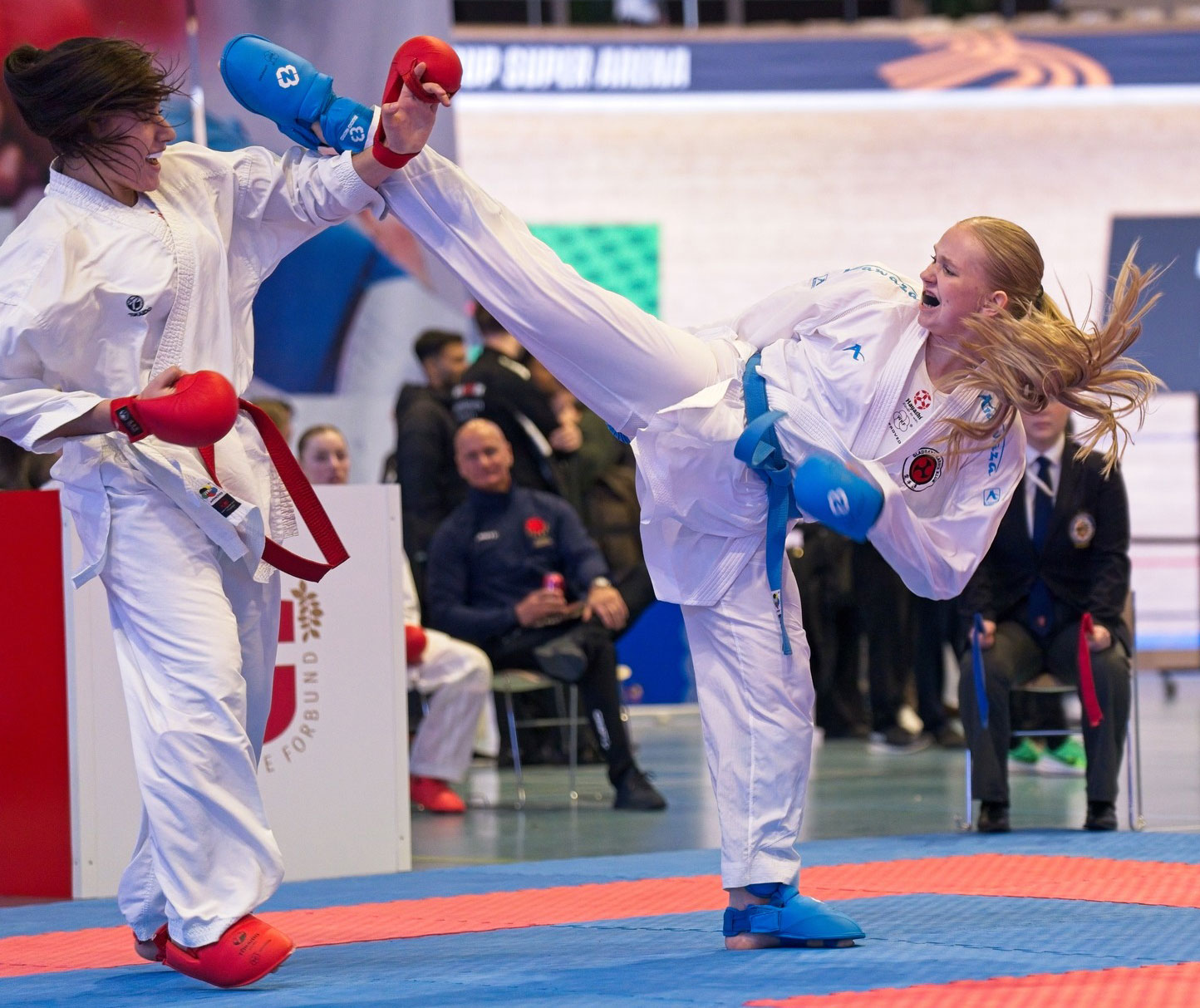
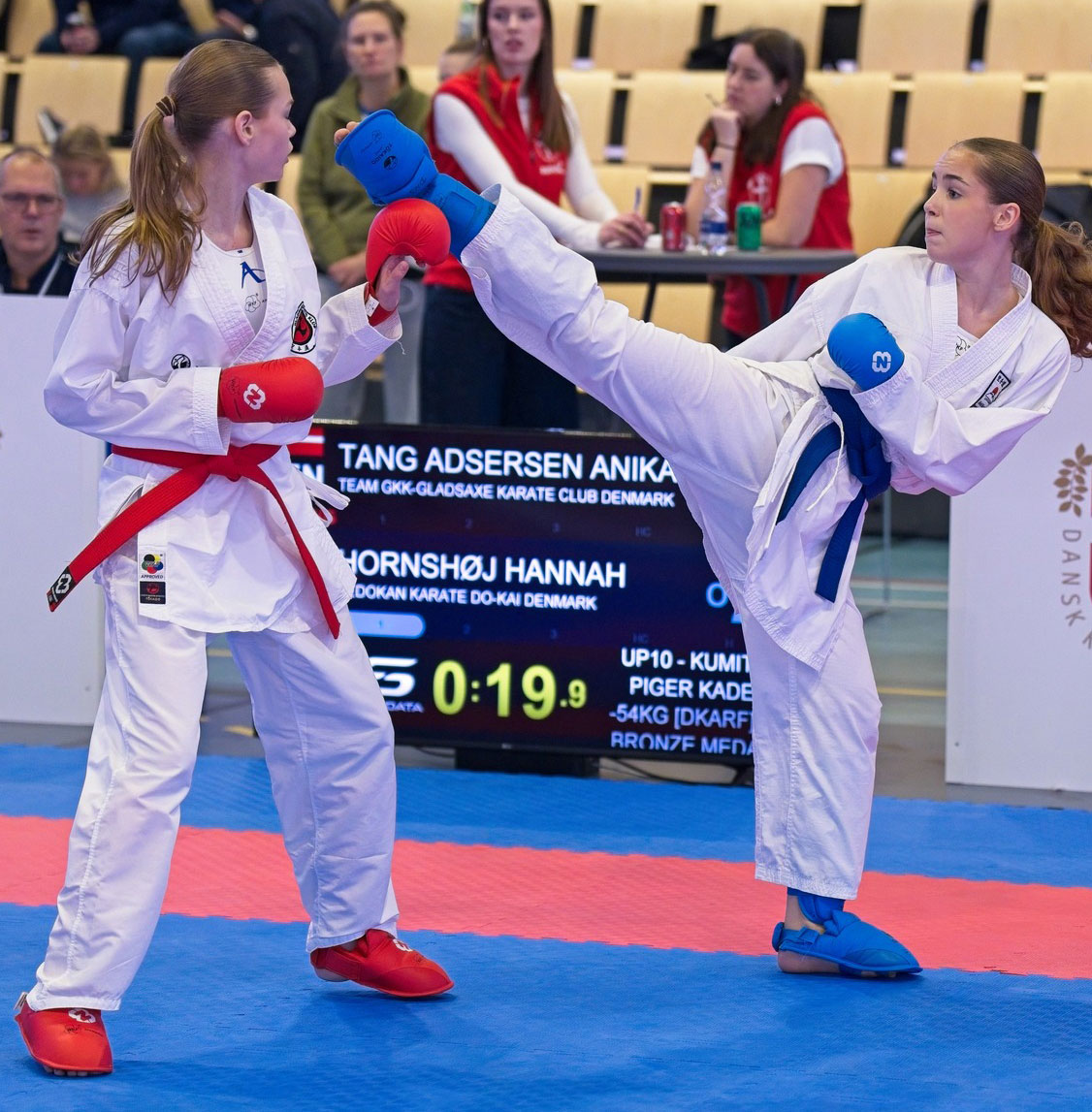
Kumite – A live sparring match where two competitors apply their techniques in a regulated fight, emphasising timing, distance, strategy and execution.
Through these disciplines, the championships reflect both the technical artistry and physical battle-mindset present in modern karate.
Importance and Stakes
For the Danish karate community, this event stands out for multiple reasons:
-
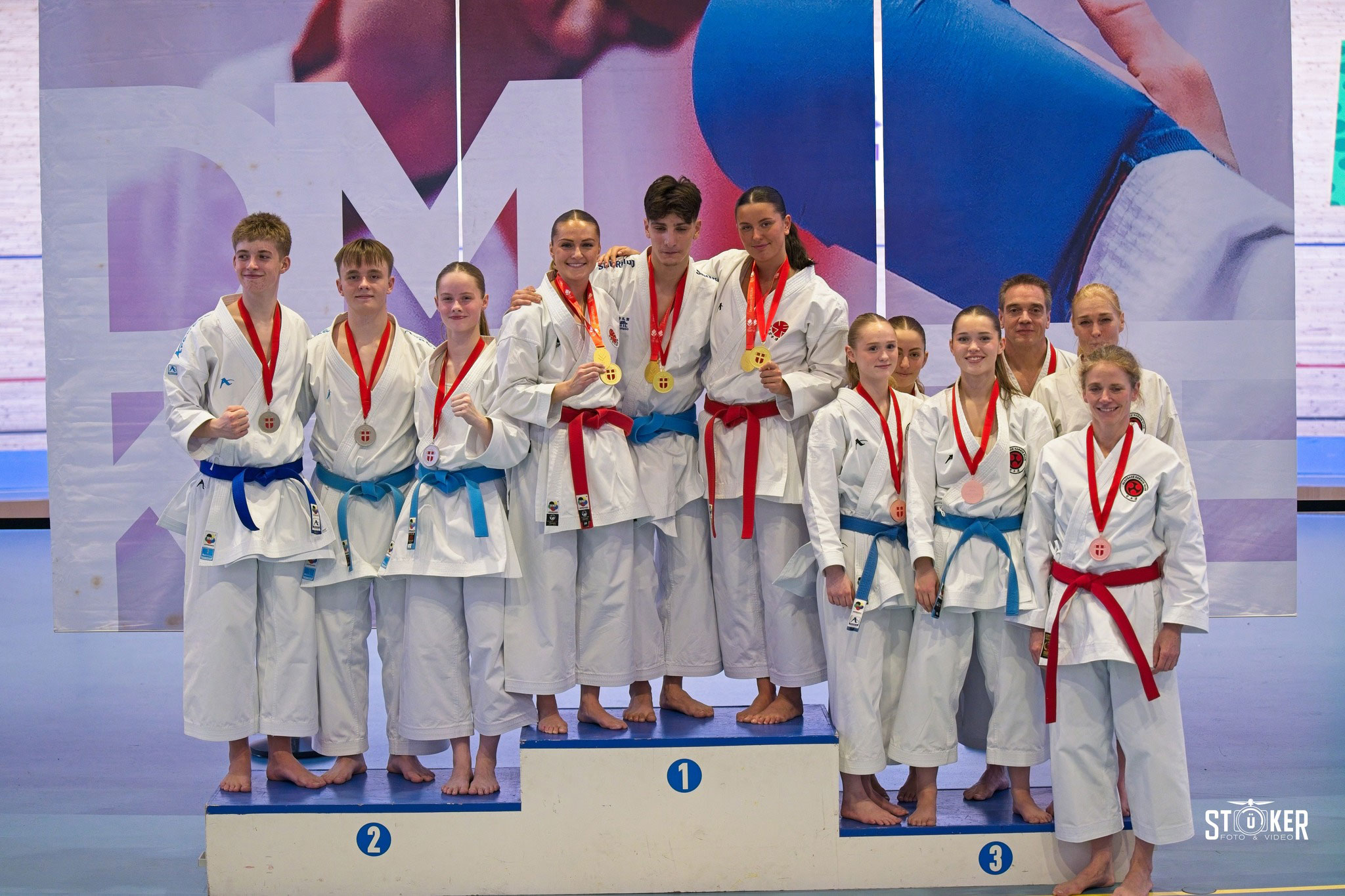
National Titles – Athletes will compete not only for personal honours, but for the prestige of becoming national champion in their category.
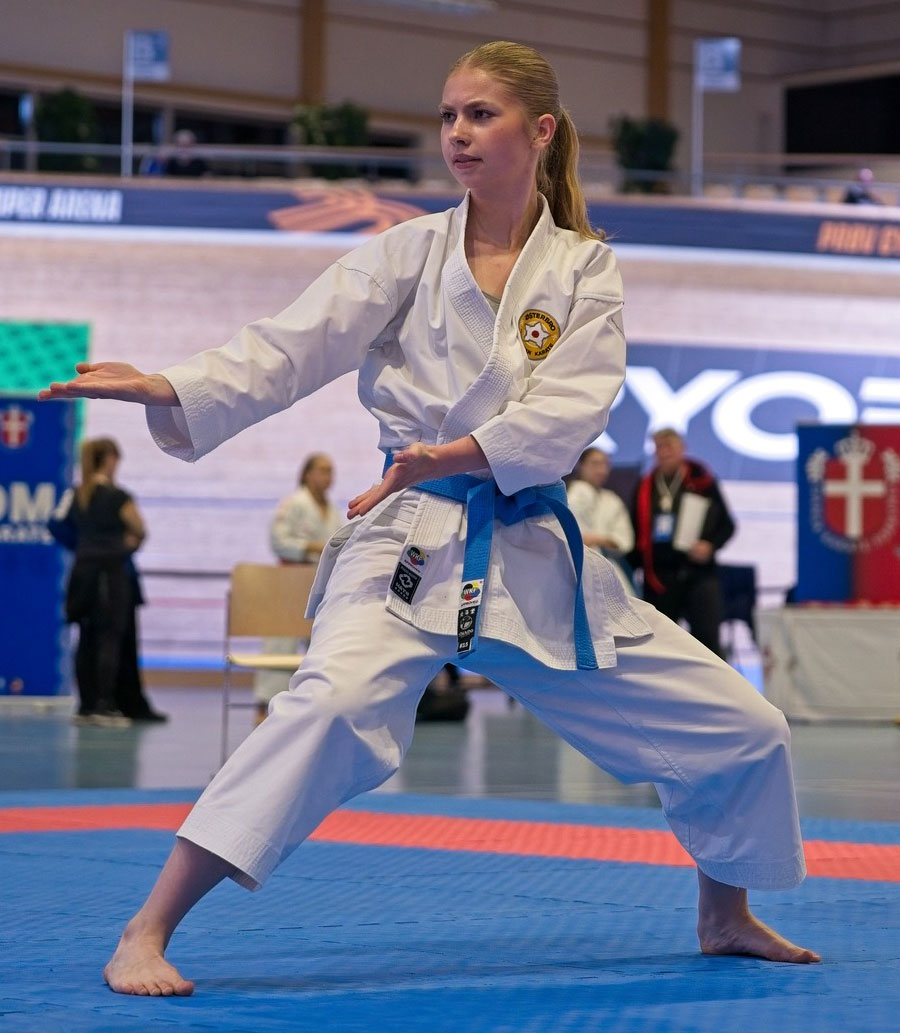
Photo: Stüker Foto og Video @stukerfotoogvideo. -
Club Representation – With 38 clubs participating, the event fosters club pride, inter-club rivalry and showcases the breadth of Danish karate infrastructure.
-
Talent Pipeline – The inclusion of children, youth and senior categories means the championships serve as a development platform: rising stars, future national team candidates and club prospects will all be on display.
-
Community & Culture – The emphasis on “discipline and community” underlines that this is not purely about winning, but about the collective journey, respect for the art and the shared experience of competition.
In broader context, national championships like these are stepping stones to continental and world events: strong national performance often precedes international representation. While the European Karate Championships in May 2025 took place in Yerevan and featured dozens of nations competing in elite categories, the Danish event helps feed that pipeline.
Notable Danish Athlete Profiles
Katrine Pedersen – Veteran Kumite Performer
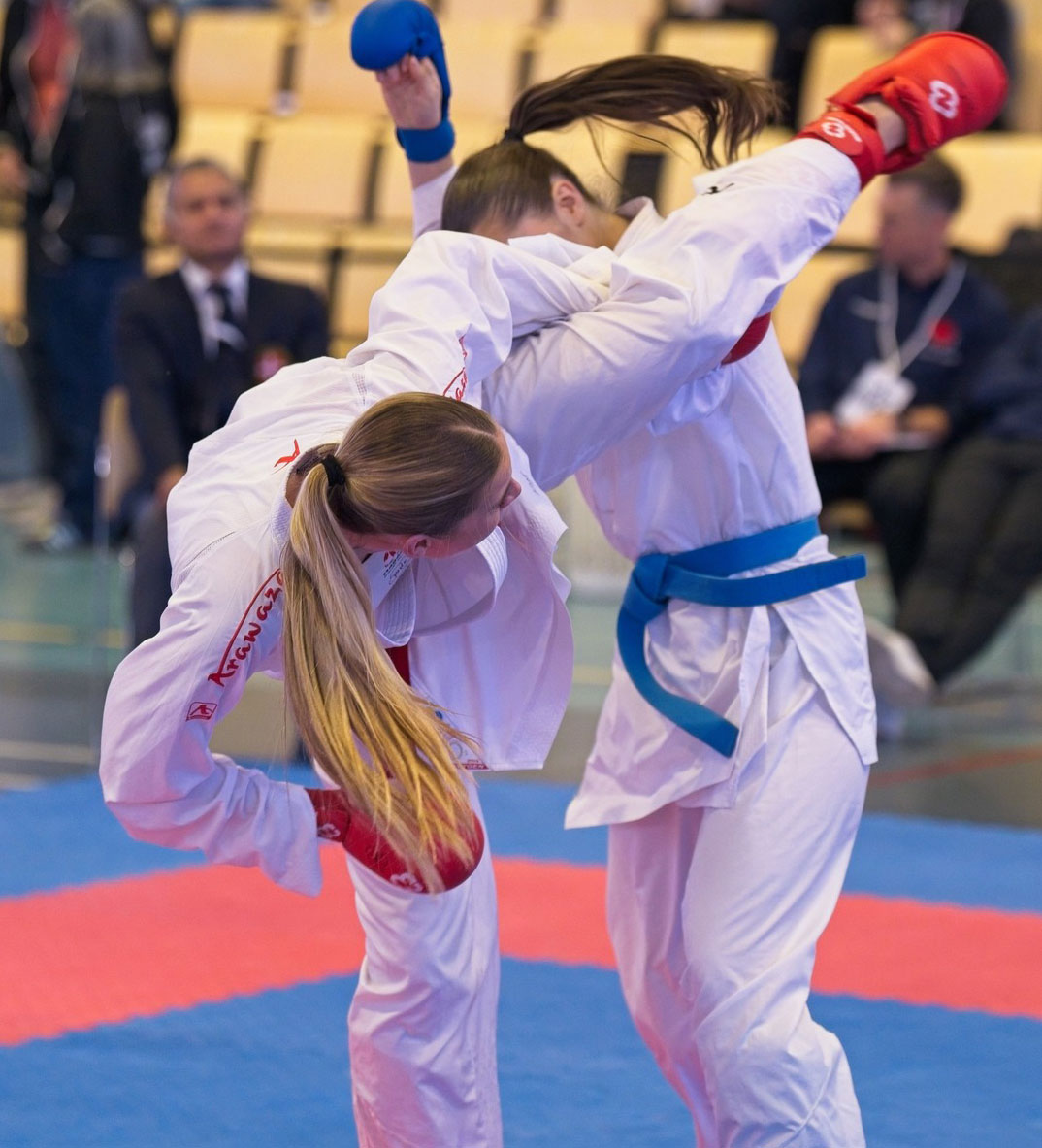
Katrine Pedersen (born 1996) has a distinguished record: silver medalist in the women’s kumite 68 kg at the 2016 World Karate Championships (Linz) and two-time bronze medalist at the European Karate Championships.
Her presence in the Danish scene serves as a reminder that veteran leadership and international exposure can strongly influence national competition. She brings technical maturity, strong tactical awareness and the kind of calm that only international experience can produce.
Emerging Youth Talent – Watch for the Next Generation
768 athletes and inclusion of youth categories meant that several rising stars also made their mark. Clubs with strong youth programmes had their moment to showcase future national-team talent.
One club anecdote: a recent Instagram post from DKarF teased the championships with the caption “Danmarksmesterskaber 2025 – få dine pladser…” (“…get your places…”) indicating an active push to involve younger age-classes and deep club involvement.
These younger athletes will bring fresh energy, perhaps surprising results, and likely signal how Danish karate’s future is shaping up.
Leading Clubs & Club Dynamics
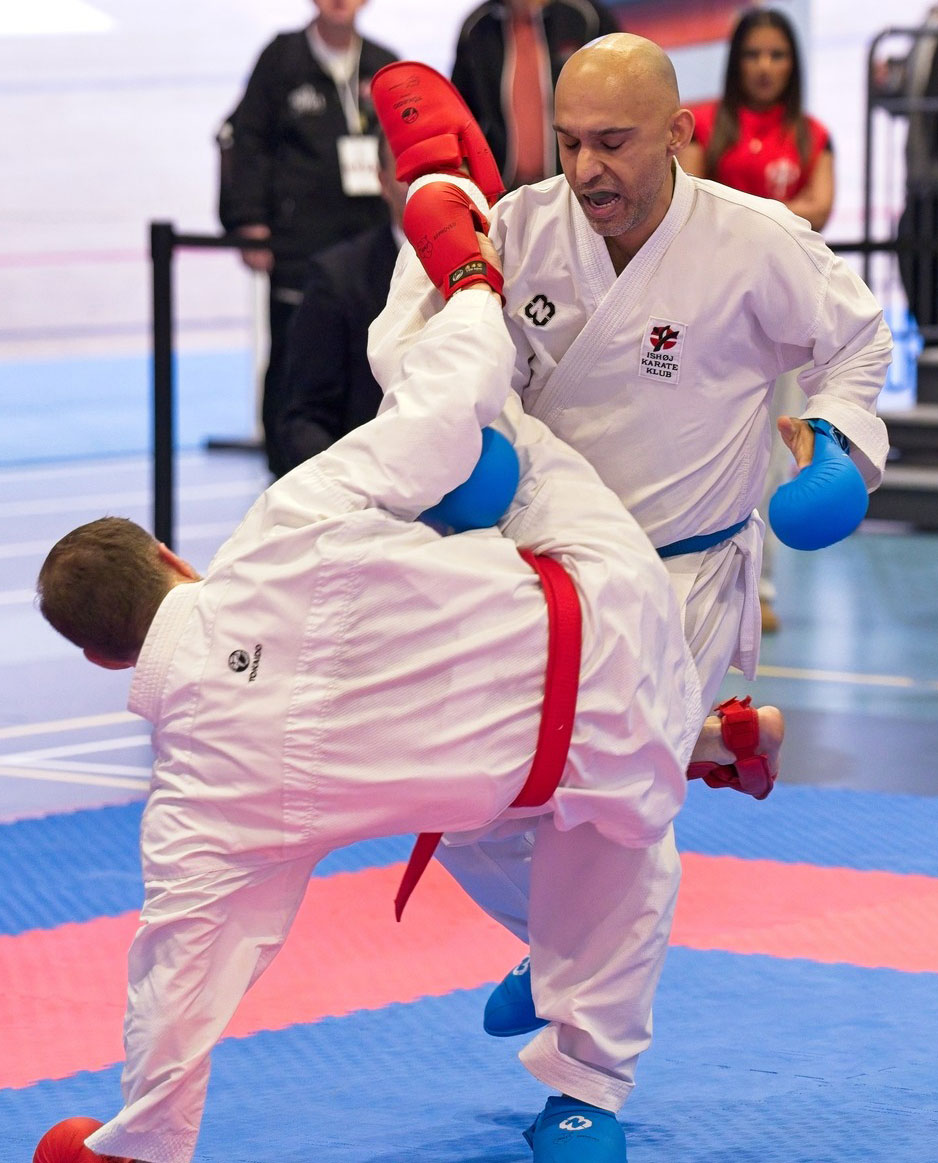
In national championships, clubs often form the backbone of success — through coaching, recruitment and development. A few clubs deserve particular mention.
Kofukan Karate Klub Ballerup
As the host club and partner of the event, the club has both symbolic and logistical importance. By virtue of hosting, the club often enjoys home-advantage: familiarity with the venue, logistical ease, and heightened community support.
Its role in this event underscores how club infrastructure supports national-level competition.
Other Major Clubs
With the fact that 38 clubs participated gave a broad geographic inclusion. Rural clubs may challenge metropolitan ones; smaller clubs may relish the chance to punch above their size.
In past Danish martial-arts events (e.g., judo) club pride and medal-counts were major talking points, signalling that karate will follow similar patterns.
Expect competition among clubs not just for athlete medals but for overall medal-hauls, junior-senior club success and recognition at the national federation level.
Contenders to Watch: Kata & Kumite
Given the format and scale of the championships, these are the key areas and storylines to be watching.
Kata – Technical Excellence
In the kata discipline, expect performances where precision, rhythm, power and show-manship converge. Athletes who have refined their techniques, trained globally or competed internationally will have an edge.
Key indicators to watch:
-
The transition from junior to senior categories: athletes who dominated youth kata may make a breakout performance.
-
Clubs with strong kata coaches and training camps: their athletes often display greater consistency under pressure.
-
Final rounds: the difference between gold and silver often comes down to performance under lights — a small lapse in timing or rhythm can change everything.
Kumite – Strategy, Speed, Impact
Kumite remains the more visible and dynamic discipline: live sparring, fast exchanges, tactical adaptations and sometimes surprises.
Always watch for:
-
Athletes who competed internationally and bring refined timing and distance-control.
-
Regional representation: clubs outside major cities might bring under-the-radar talent with strong work ethic.
-
Younger athletes stepping up: in the gap between youth and senior competition, there may be breakthrough–cases.
-
The children’s category finals: while perhaps not as broadly publicised, these matches often showcase raw talent and psychological readiness.
Broader Implications & Karate in Denmark 2025
This national championships comes at a time when karate globally is evolving: the inclusion of kata in certain multi-sport events, the continued prominence of kumite at the highest level, and the increasing importance of youth development as international competition becomes ever more serious.
For Denmark, strong performances here may lead to greater national-team selection opportunities, increased visibility of clubs, better recruitment at local level and ultimately a stronger standing in European and world competition.
Moreover, for spectators and parents the event is more than sport: it is a festival of club-culture, youth engagement and values that transcend competition — something repeatedly emphasised by the organisers in their communications.
A Weekend Defined by Emerging Youth Talent
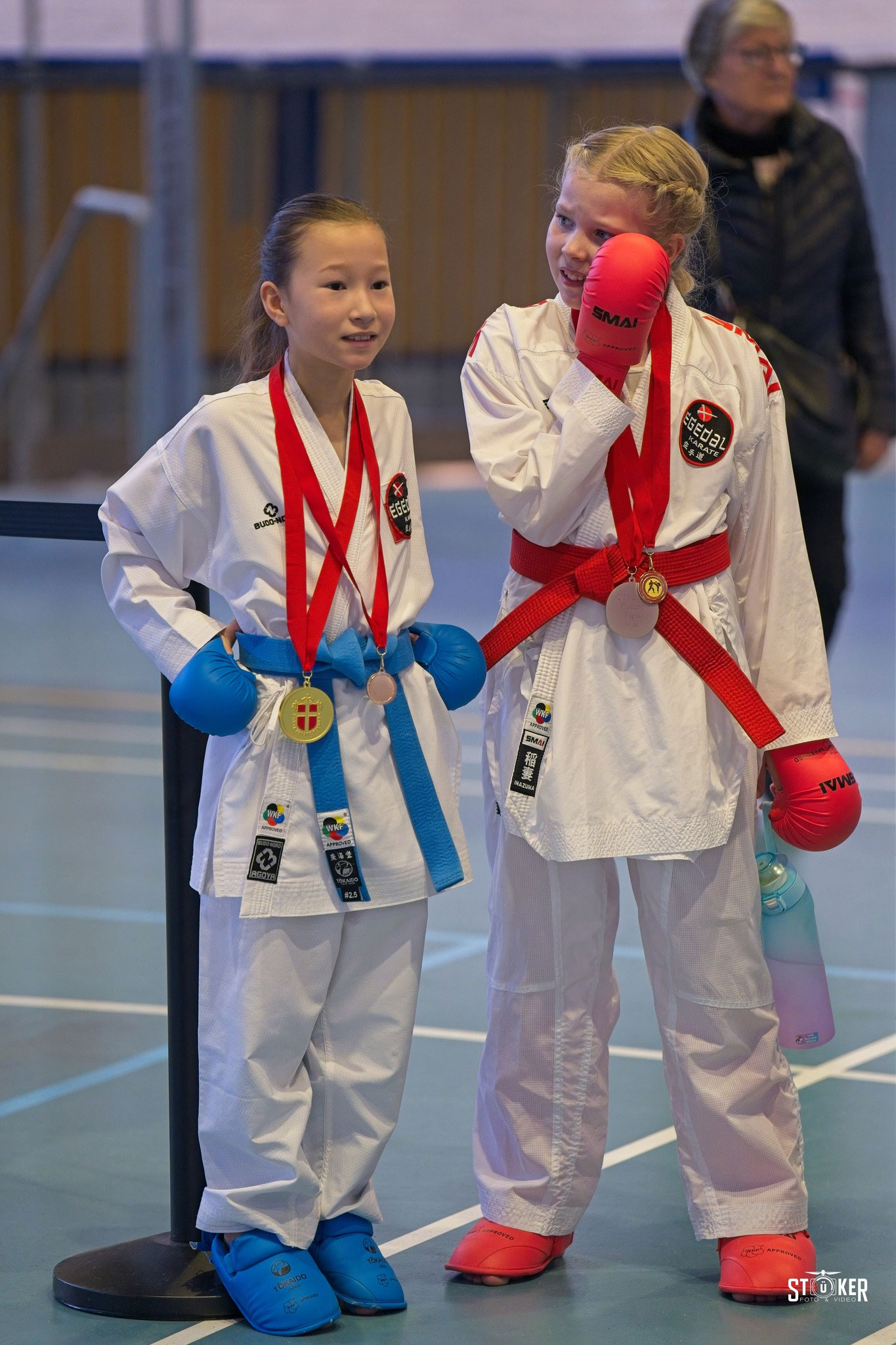
One of the strongest impressions from the weekend was the remarkable performance level among Denmark’s youngest competitors. Sunday’s children’s categories drew unexpectedly large crowds, and several clubs reported that their young athletes exceeded all expectations. Numerous coaches highlighted the mental composure, discipline and tactical precision shown by athletes as young as 10–12 years old. For many clubs, the children’s divisions became a symbolic affirmation that Denmark’s karate future appears brighter than ever.
Impact of WKF Safety Regulations in Youth Kumite
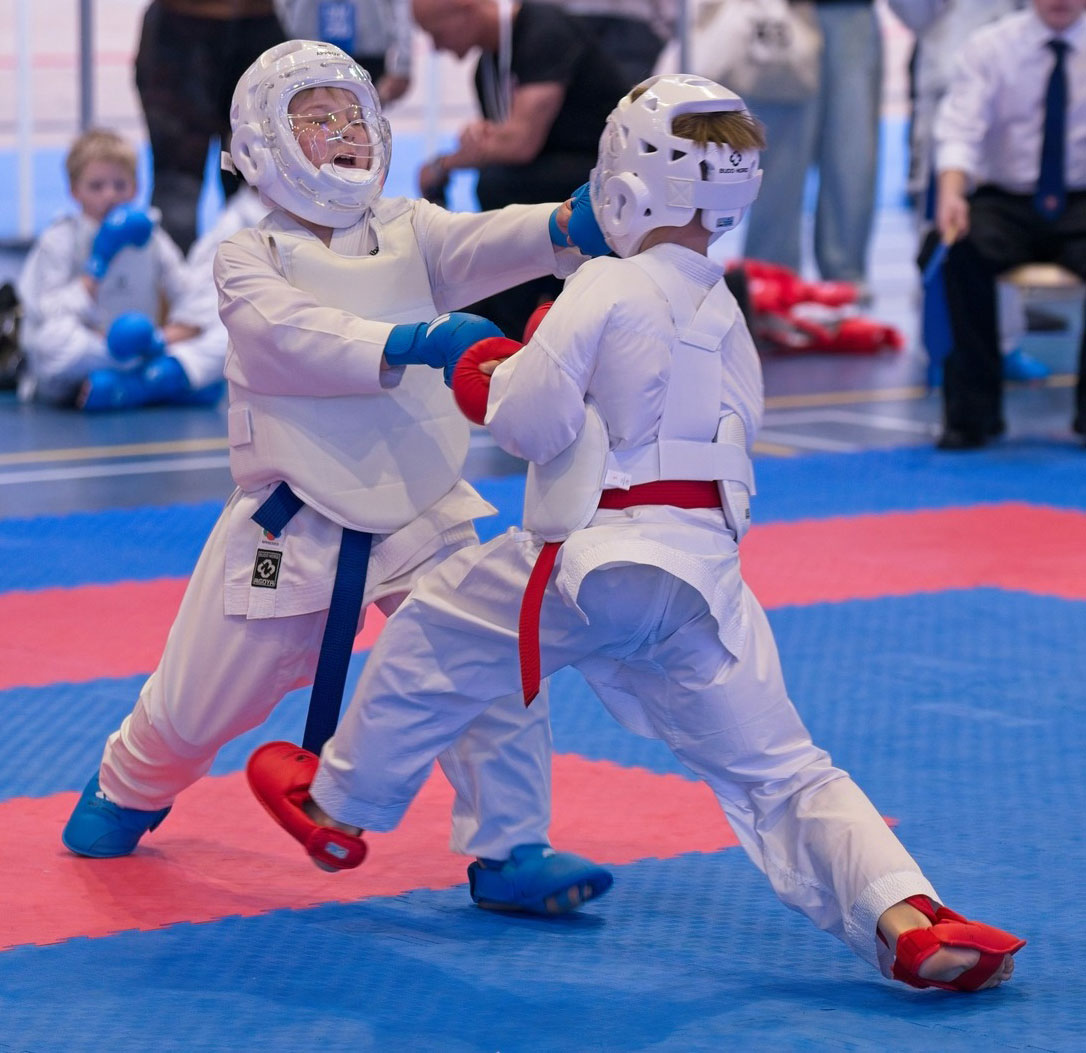
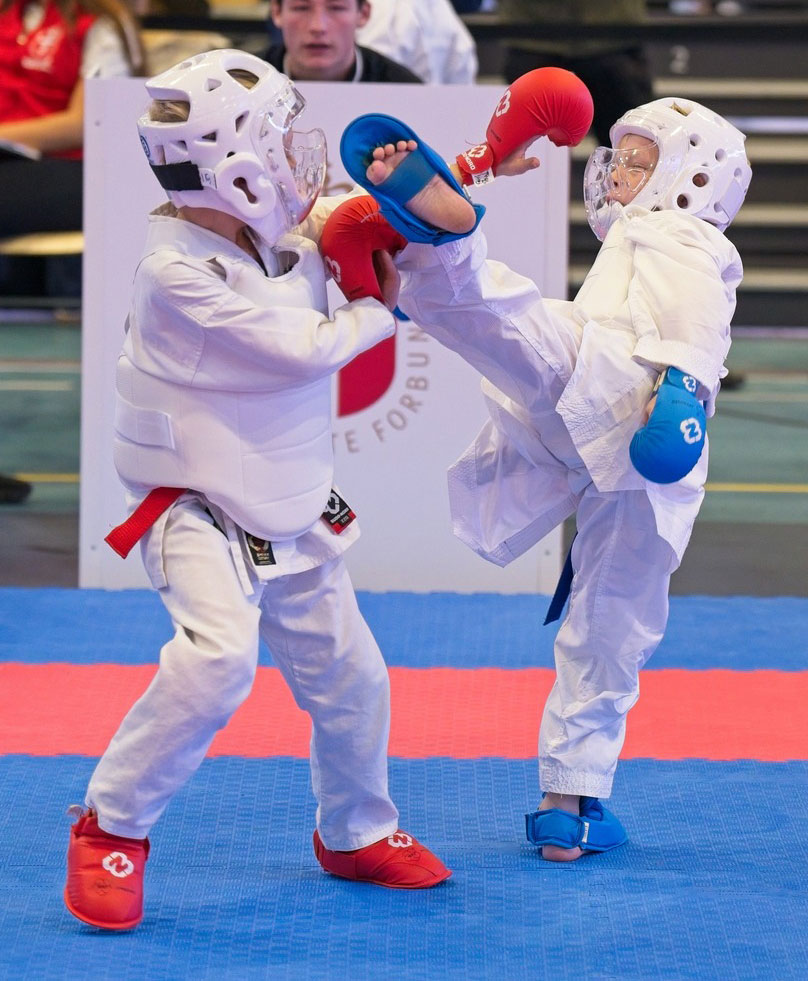
This year marked one of the first major national-level implementations of WKF’s updated youth kumite safety requirements. The mandatory protective vests and headgear for U14 proved effective, with referees and medical staff reporting fewer stoppages compared to previous years. Coaches widely praised the changes, noting that the rules allowed younger athletes to fight with confidence while maintaining a strong emphasis on safety. For many, this successful implementation is likely to influence how future junior events in Denmark and the Nordic region are structured.
Clubs With Landmark Results
Several clubs delivered standout performances that shifted perceptions within the Danish karate community. While some of the established powerhouses reaffirmed their dominance, the 2025 championships also saw impressive breakthroughs from smaller and mid-sized clubs. Multiple coaches from these clubs expressed pride not simply in medal results, but in the determination and teamwork displayed throughout the weekend. The event atmosphere made it clear that Danish karate is becoming increasingly competitive across regions — with fewer predictable outcomes and more clubs pushing toward the top.
Stronger Than Expected Social Media Presence
During the competition weekend, social media activity exceeded all expectations. Clubs posted continuous updates, behind-the-scenes clips, celebration photos and live reactions from coaches and parents. DKarF’s platforms experienced increased traffic compared to 2024, with several posts achieving record engagement. The organic excitement created online played a big role in expanding the event’s reach beyond the Ballerup Super Arena, drawing attention from karate enthusiasts across Scandinavia — and even from international followers.
Final Words
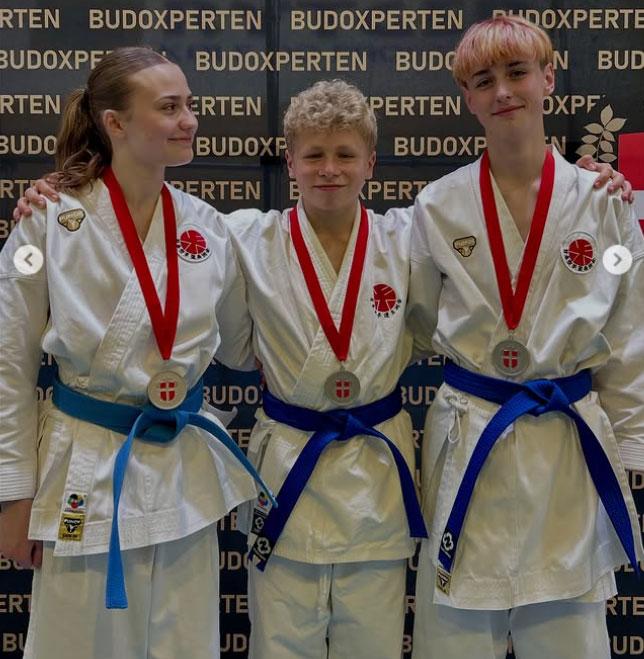
When the first competitors entered the tatami at Ballerup Super Arena on 21 November, they did more than just chasing medals. They represented clubs, training years, coaches, younger athletes looking up to them, and the broader Danish karate tradition.
The Danmarks Mesterskaber i Karate 2025 is not simply a tournament — it is a milestone for the sport in Denmark: a convergence of youth and experience, kata and kumite, competition and community. The event encapsulates what makes karate meaningful: discipline, respect, cohesion, personal challenge and the pursuit of excellence.
For anyone in the Danish karate world — whether athlete, coach, parent, club administrator or fan — this weekend offered a moment to connect, compete, witness and celebrate. For newcomers or spectators, it is was a unique chance to see the depth of a national karate culture in action.
Mark your calendar, bring your club colours, follow the stories and relish the energy. Because in the fall 2026 there will be a new opportunity to see Denmark’s best karate athletes in battle — and the next generation will rise.
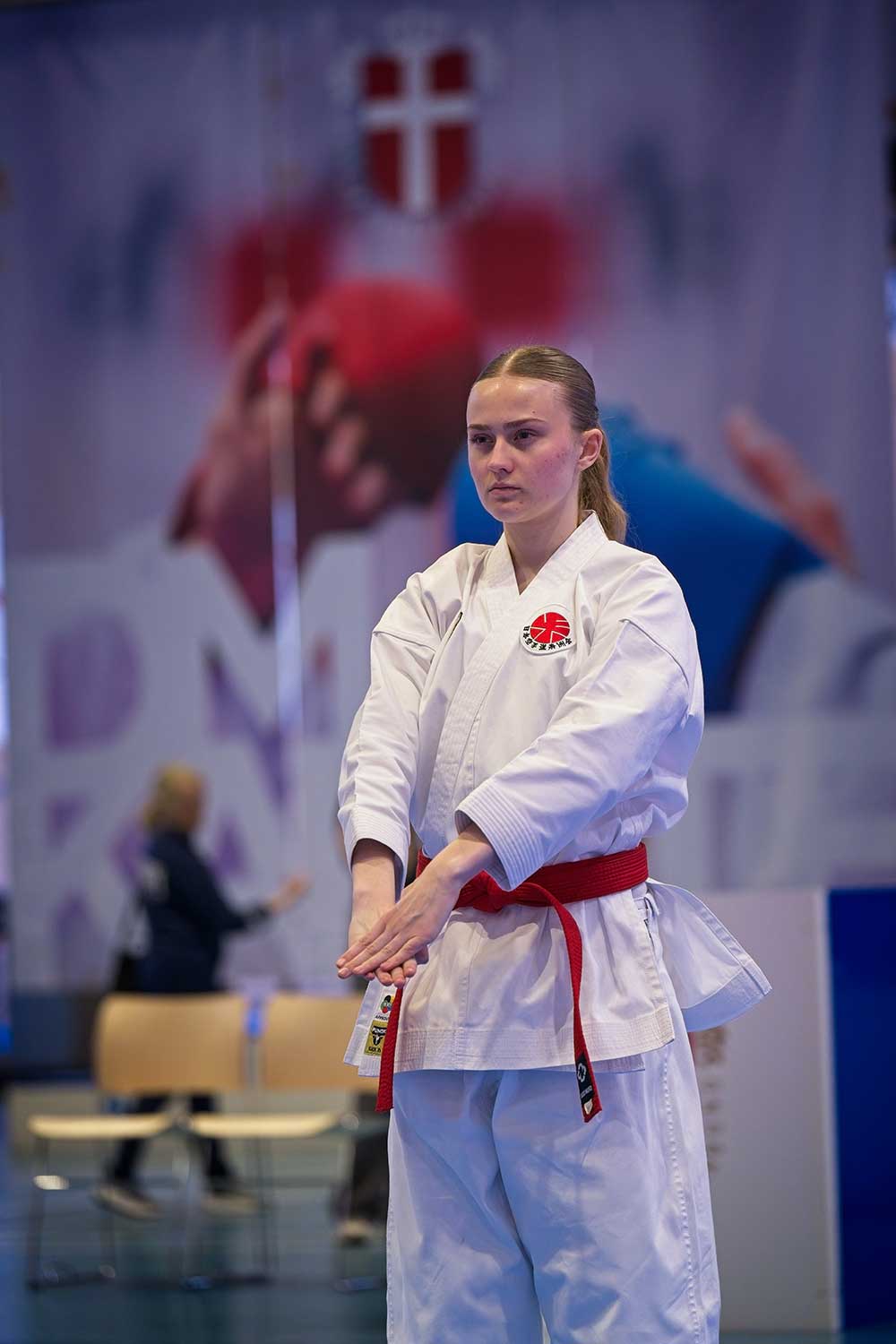
Photo: Stüker Foto og Video @stukerfotoogvideo.
DM2025 Søndag Kumite Stüker Foto og Video Facebook
DM 2025 Lørdag Kumite Stüker Foto og Video Facebook
DM2025 Kata Søndag Stüker Foto og Video Facebook
DM2025 Lørdag Kata Super Finale Stüker Foto og Video Facebook
DM2025 Fredag Stüker Foto og Video Facebook
People who make it possible Stüker Foto og Video Facebook
Danmarksmesterskaber i karate 2025
SET Online Karate: DANMARKSMESTERSKABERNE 2025
Dansk Karate Forbund Instagram
Vejle Shotokan Karate-Do Instagram
Shobu Ippon Karate Denmark’s Øresund Kyu Cup 2025 Community