


The 2025 World Karate Championships in Cairo marked a defining moment in the history of the sport. For competitors, coaches, officials and fans, this edition represented not just a pinnacle of athletic achievement but also a celebration of diversity, inclusivity and global unity.
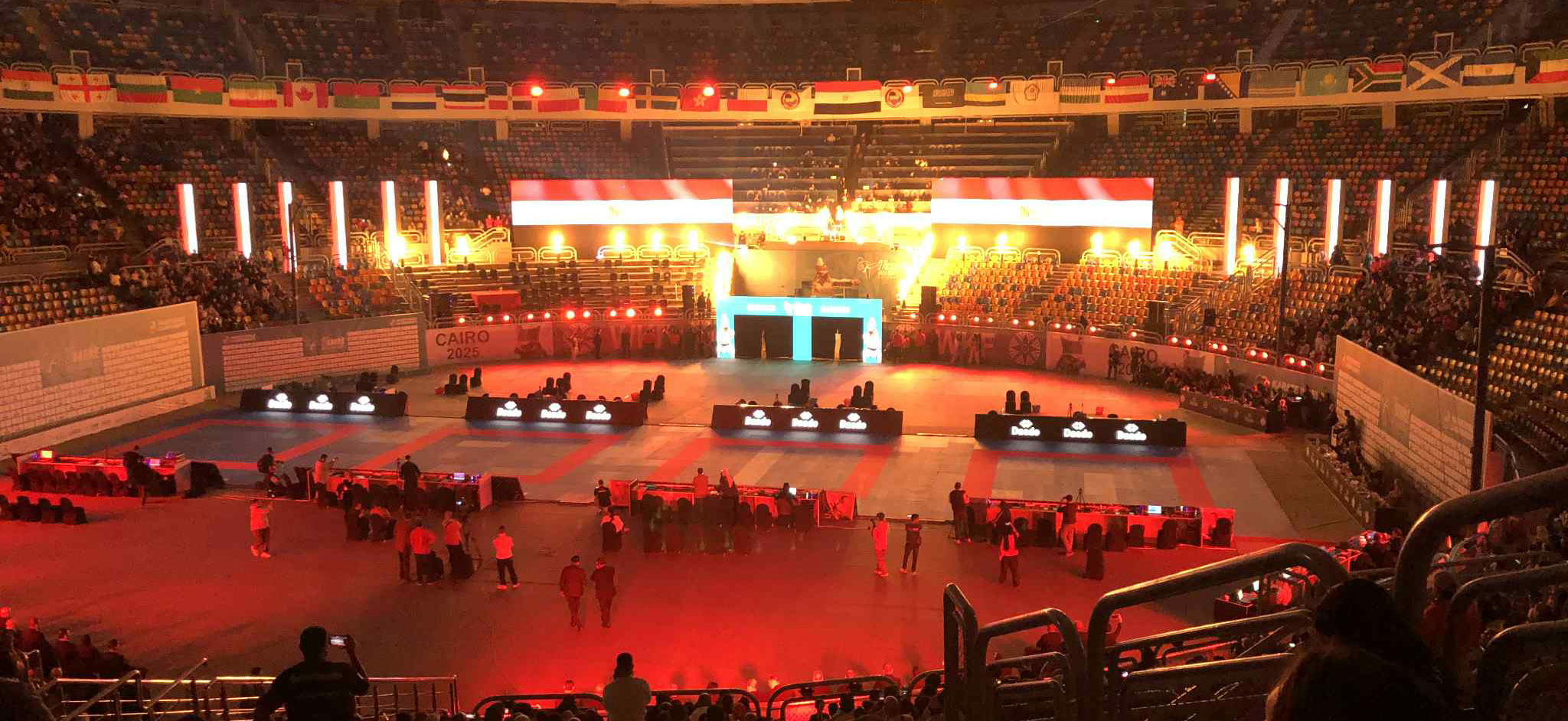
Hosted at the Cairo Stadium Indoor Halls Complex in late November, the event brought samman nearly 400 competitors from more than 80 nations, symbolizing karate’s truly international spirit. It was the first time in 37 years that Egypt hosted the senior world championships, and the return was celebrated as a milestone for both the nation and the African continent.
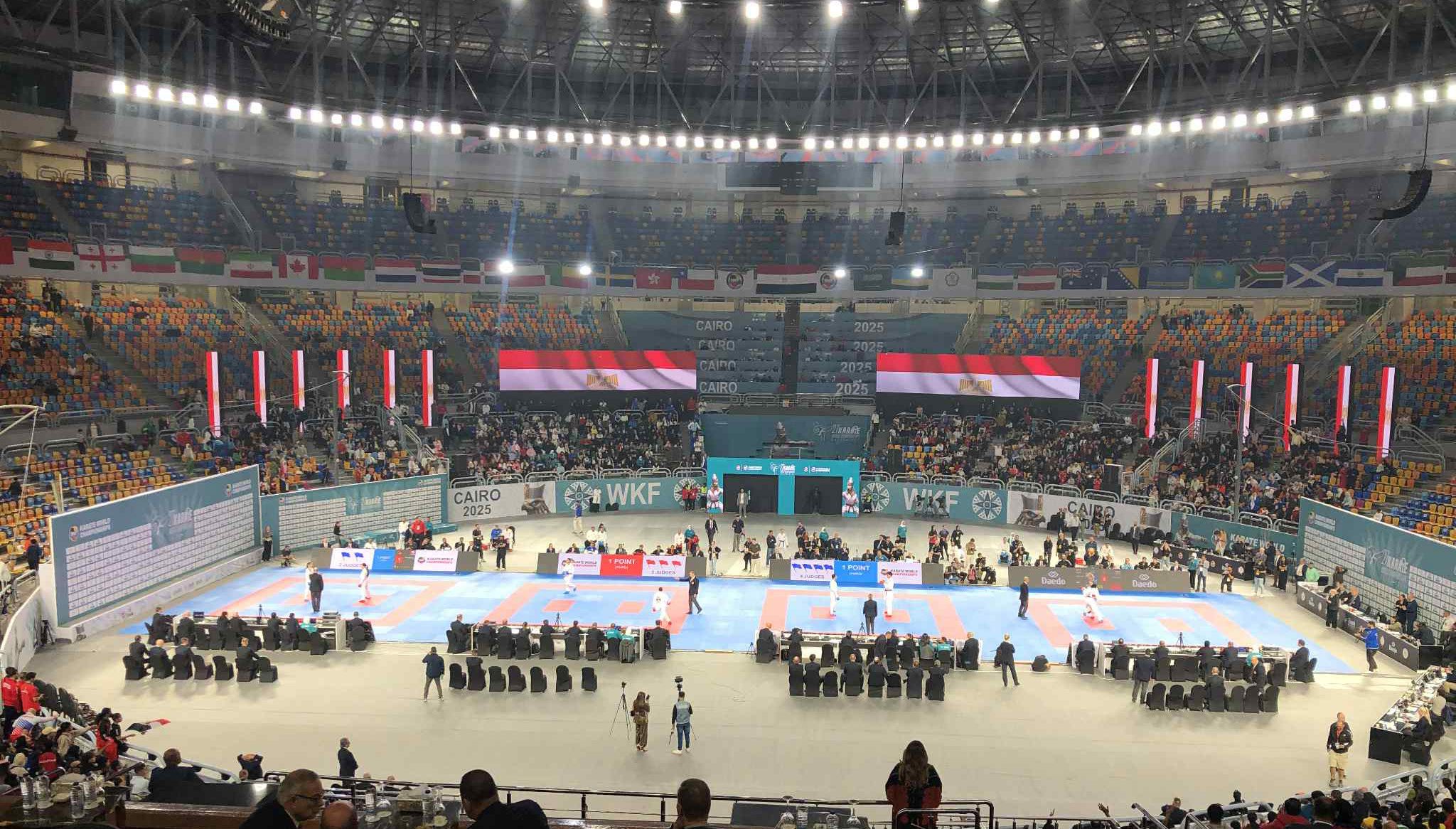
From the opening ceremony to the final medal bouts, Karate Cairo 2025 delivered spectacular sporting drama. The tournament’s new competition system, the rise of a new generation of champions and the emotional brilliance of para-karate athletes came together to create one of the most memorable editions in recent history. The energy inside Cairo Stadium, combined with Egypt’s ability to blend ancient cultural heritage with modern sporting infrastructure, made this championship a historic and transformative event.
A Return to Egypt That Carried Global Significance
Egypt’s selection as host nation was more than symbolic. It represented WKF’s renewed commitment to expanding karate’s global footprint, bringing major events to regions where the sport is rapidly developing. Cairo, with its rich tradition of hosting combat sports events, provided an appropriate setting for an event of this magnitude. Delegations praised the professionalism, hospitality and smooth logistics throughout the tournament.
The return of the championships to Africa also sparked renewed enthusiasm among athletes from nations not typically recognized as global powerhouses. The visibility created by the Cairo event is expected to inspire new generations of karatekas across the continent, possibly reshaping the competitive landscape in coming years. Cairo 2025 was a reminder that karate belongs to the world — not just traditional strongholds — and that elite competition can flourish anywhere with commitment and passion.
A Modern Competition Format That Elevated the Event
One of the most discussed innovations in Cairo was the introduction of a two-phase competition system featuring group stages followed by knockout rounds. The goal was to create a fairer and more dynamic tournament experience. Instead of the unpredictable do-or-die nature of single elimination, athletes were guaranteed multiple matches, allowing them to build rhythm and display a wider range of skill.
The format created a sense of narrative progression throughout the event. Fans could follow athletes as they advanced through groups, overcame adversaries and adjusted strategies. It reduced the impact of an unlucky early draw and provided a clearer indication of consistency and true competitive level. Athletes and coaches were quick to praise the system for offering more opportunities and reducing the randomness that sometimes defines the early rounds of major championships.
Many expect that this new model will influence future WKF events and potentially become the standardized format for world-level competition. Cairo 2025 may be seen as the beginning of a new era where fairness, transparency and athletic development come first.
Day 1: High Intensity and Early Shifts in Momentum

The championships opened with fierce battles across several key divisions, including the men’s 60 kg, 67 kg and 75 kg kumite categories, as well as women’s kata and the women’s 50 kg and 55 kg kumite divisions. From the first hour, the atmosphere inside the stadium was electric, with tightly contested matches and surprising results.
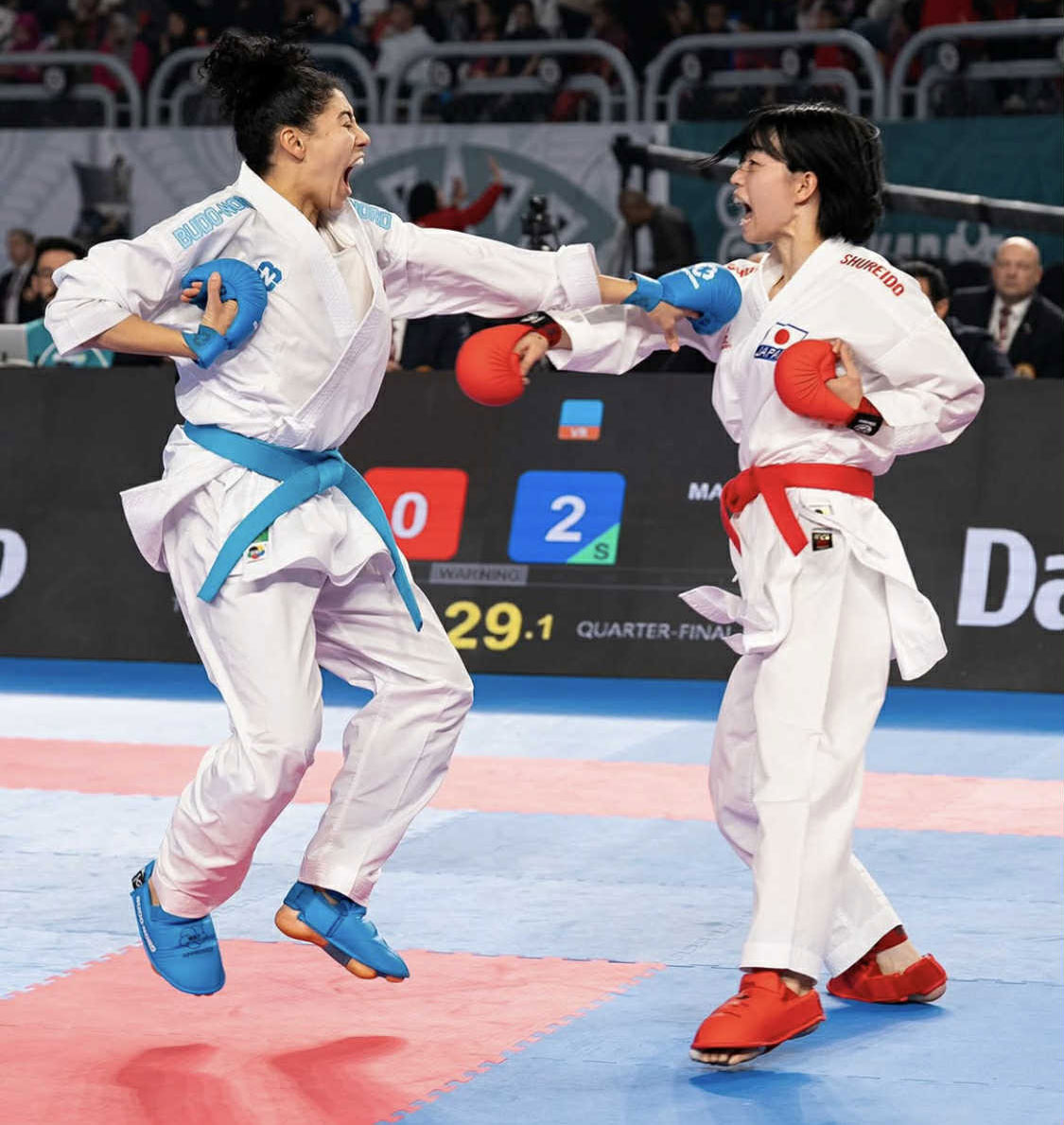
Technical excellence dominated the kata performances, while the kumite divisions showcased explosive movement, tactical timing and dramatic exchanges. The group stage format meant that early stumbles did not guarantee elimination, which created additional tension and gave fighters more room to recover and adapt.
Day 1 made one thing clear: this championship would not simply be a showcase for past champions, but a battlefield for emerging talents eager to redefine the hierarchy of world karate.
The Middle Stages: A Rising Wave of New Contenders

As the second and third days unfolded, more weight categories entered competition, including the men’s kata, men’s 84 kg and +84 kg divisions, along with the women’s 61 kg, 68 kg and +68 kg classes. The middle stages of the championship saw both expected victories and stunning upsets.
The group system produced thrilling dynamics. Elite fighters who traditionally dominate early rounds found themselves facing intense tactical challenges from lesser-known opponents, while several underdogs reached knockout rounds through consistency and smart strategy. The diversity of nations represented in the quarterfinals and semifinals reflected the sport’s growing global balance.
By the end of the third day, the stage was set for finals that promised drama and excellence in equal measure.
Finals Day: A Celebration of New World Champions
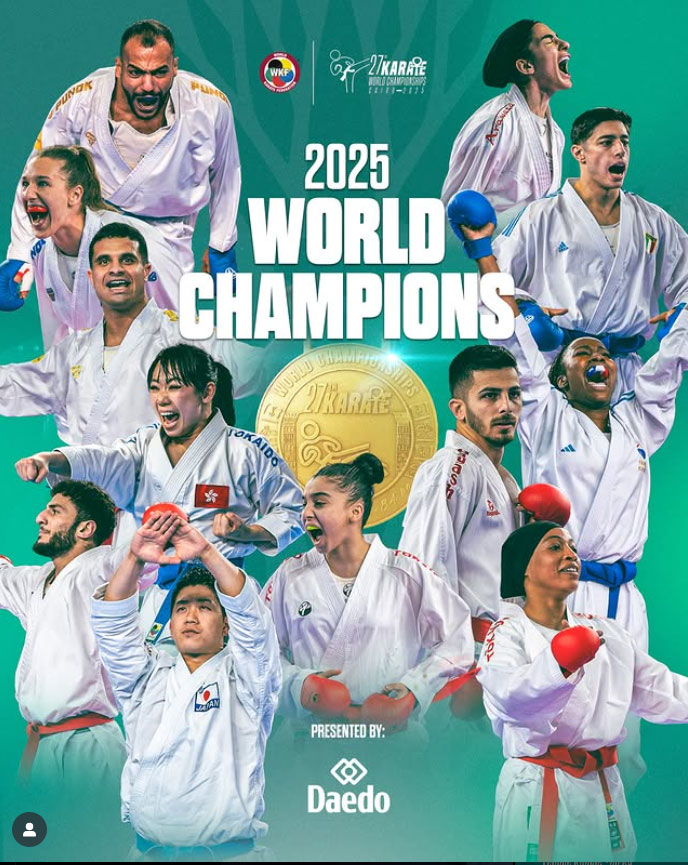 Finals Day in Cairo brought unforgettable moments and a new constellation of world champions. It delivered emotional triumphs, dominant performances and classic matchups that showcased the full technical and tactical range of modern karate.
One of the most acclaimed victories was achieved by Egypt’s own Abdalla Abdelaziz in the men’s 75 kg category. Performing before an ecstatic home crowd, Abdelaziz combined composure, precision and tactical brilliance to secure his world title. His victory became a symbol of Egypt’s historic hosting and showcased the emotional synergy between athlete and audience that defined this championship.
Egypt’s success continued through Youssef Badawy in the men’s 84 kg division. His gold medal run featured decisive victories and a commanding performance in the final, reinforcing Egypt’s importance on the world karate map.
Italy’s Matteo Avanzini captured the +84 kg gold with a powerful and disciplined display that blended physicality with refined timing.

His performance demonstrated the growing depth in Europe’s heavyweight divisions and earned him recognition as one of the standout athletes of the entire event.
In the lighter divisions, Turkey’s Eray Şamdan continued his impressive international trajectory by winning gold in the men’s 60 kg category. His speed, precision and tactical intelligence made him nearly untouchable throughout the tournament.
Jordan’s Afeef Ghaith took the world title in the men’s 67 kg division, marking a major achievement not only for himself but for Middle Eastern karate as a whole. His victory reflected the region’s rapid growth and increasing competitiveness.
The women’s divisions also delivered compelling finals, with technical kata mastery and fierce kumite exchanges shaping a strong lineup of world champions. Although the focus of the article is on the broader championship narrative, Cairo 2025 marked a generational shift in women’s events as well — with multiple emerging athletes taking medals and raising the standard for international performance.
Altogether, the champions crowned in Cairo represent a new wave of rising global stars who are expected to shape the next decade of elite karate.
Para-Karate: The Heart, Soul and Inspiration of Cairo 2025

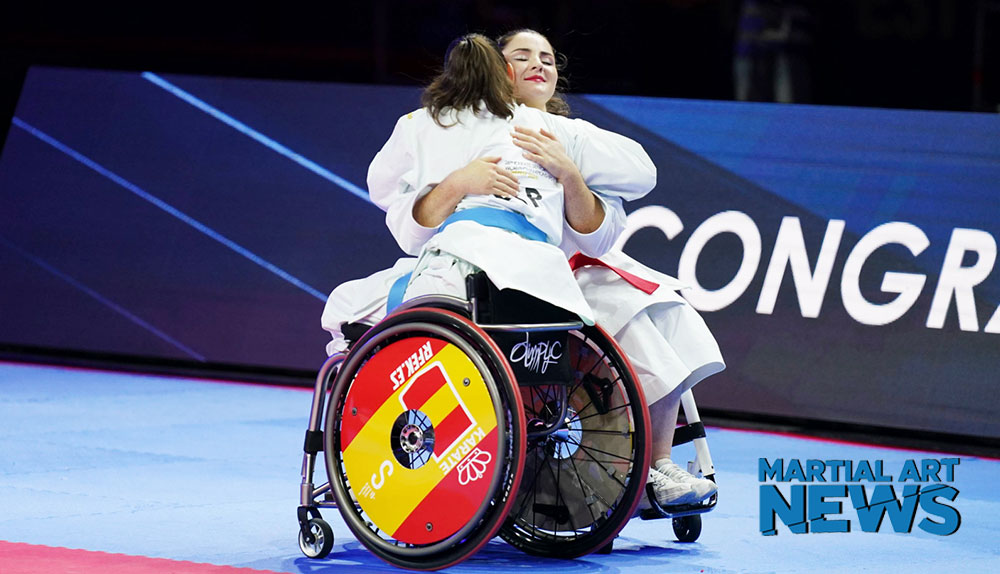
While the senior able-bodied divisions captured much of the competitive spotlight, many attendees and observers agreed that the emotional core of the 2025 championships was found in the para-karate events. For the first time, para-karate enjoyed unprecedented visibility, integration and recognition within the senior world championships.
Para-karate competitors performed with remarkable technical skill, precision and emotional depth. Their presence on the main championship stage — not as a side event, but as an integral part of the tournament — sent a powerful message about equality, respect and the shared spirit of martial arts. Spectators, fellow athletes and coaches frequently praised para-karate bouts as some of the most inspiring performances of the entire championship.
The para-karate divisions featured athletes with visual impairments, limb differences and other physical challenges. Each category demanded unique skill adaptations, but the commitment, discipline and courage shown by the participants resonated deeply with the audience. The applause that followed each para-karate medal ceremony was among the loudest heard in the stadium — a testament to the athletes’ impact.
Perhaps most importantly, Cairo 2025 marked a turning point in how para-karate is perceived globally. Instead of being viewed as an adjacent discipline, para-karate emerged as a full and celebrated branch of the sport. Many officials and coaches openly stated that this edition will likely be remembered as the championship where para-karate finally claimed its rightful place alongside senior elite divisions.
The success of para-karate in Cairo is expected to influence future world championships, continental tournaments and national events. It has reaffirmed that karate is a martial art for all — and that the values of respect, perseverance and discipline transcend physical limitations.
Stories Beyond the Tatami: Unity, Emotion and Cultural Exchange
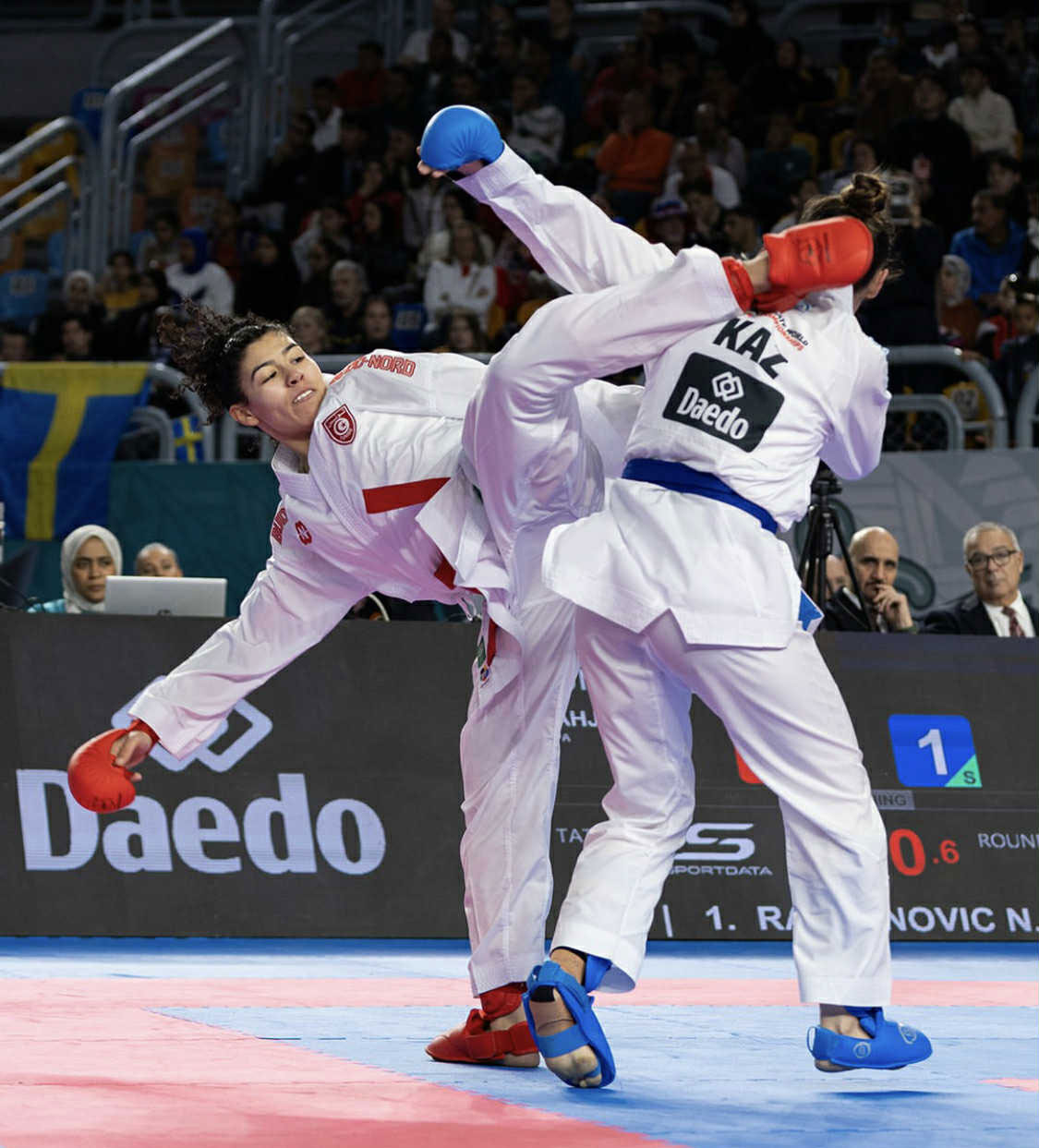
In addition to athletic competition, Cairo 2025 was rich with human stories that highlighted the global karate community’s spirit. National teams shared moments of bonding during long travel days, cultural tours in Cairo and interactions with local volunteers. Social media was filled with images of athletes exchanging gifts, flags, and words of encouragement — reinforcing the sense of unity that karate uniquely fosters.
The atmosphere in the venue blended tension and excitement with mutual respect. Coaches from rival nations exchanged tactical insights, referees and officials collaborated seamlessly across languages, and fans celebrated not just their own athletes, but also performances that embodied the true essence of karate.
Cairo’s warmth as a host city amplified these experiences. Many athletes expressed gratitude for the hospitality they received, describing visits to local landmarks and interactions with Egyptian fans as unforgettable parts of their championship journey.
What Cairo 2025 Means for Karate’s Future

The 2025 World Karate Championships will likely be remembered as a transformative edition, influencing how the sport evolves over the next decade.
The return to Africa signaled a broader geographic strategy for WKF, one that supports growth in emerging regions. The increased visibility of para-karate is expected to redefine elite competition structures worldwide. The group-stage model introduced in Cairo may become a permanent fixture, reshaping fairness and competitive development.
Perhaps most significantly, the rise of new champions from diverse regions suggests that karate is entering a more balanced and dynamic era. With emerging talent challenging traditional powerhouses, the sport is poised for exciting years ahead.
Conclusion
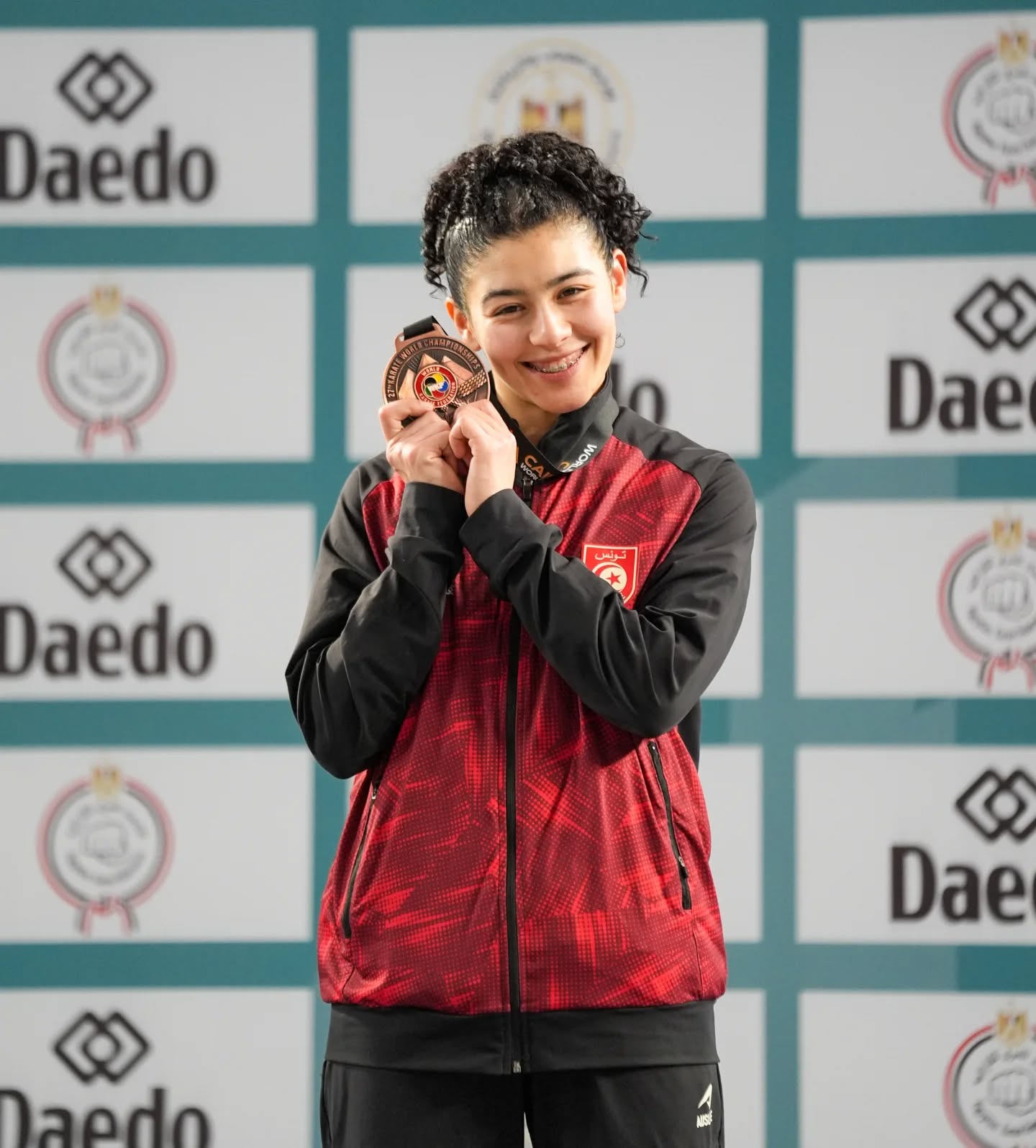
The 2025 World Karate Championships in Cairo were more than a sporting event; they were an expression of karate’s global identity. They showcased the sport’s technical sophistication, human depth, cultural richness and inclusive future. For Egypt, the championships were a moment of national pride. For athletes, they represented the pinnacle of competitive achievement. For the WKF, they affirmed the direction of the sport’s evolution.
Most importantly, Cairo 2025 demonstrated that karate is stronger when it embraces diversity, fairness and unity. From world champions to para-karate heroes, from rising talents to seasoned veterans, every competitor contributed to a championship defined by excellence, respect and inspiration.
2025 World Senior Individual Karate Championships Set for Cairo – WKF
Day 1 of #KarateCairo2025 Underway! – WKF
New Karate Stars Take the Stage in Cairo as New-Look World Senior Championships Begin – WKF

Global Karatekas Thrilled to Participate at Memorable World Senior Championships in Cairo – WKF
Para Karate Takes Center Stage on Day 3 in Cairo – WKF
Para Karate Shines with Skill and Inclusivity at the 2025 World Senior Championships – WKF
Shocks, Nerve, and New Heroes Mark a Spectacular Day 3 at the 2025 World Senior Championships – WKF
Para Karate Takes Center Stage on Day 3 in Cairo – WKF
Final Day of KARATE World Senior Championships LIVE! – WKF
WKF Meets with WKF’s Partners During 2025 World Championships in Cairo – WKF
Meet the new World Champions! A New Generation Rises to Top on 2025 World Karate Championships – WKF
China’s Gong Li takes women’s 61kg silver at WKF World Championships – CGTN
Cairo 2025: Egypt’s triple gold chance

Visa detta inlägg på Instagram
Visa detta inlägg på Instagram
Visa detta inlägg på Instagram
Visa detta inlägg på Instagram